

Bringing Your Whole Self to Work: Evie on Pride, Visibility and Belonging at DWP
Category: LGBTQIA+ (Sexual Orientation), Neurodiversity

Created by VERCIDA for the Department for Work and Pensions (DWP)
When Evie describes what Pride and LGBT+ visibility mean to her, she keeps returning to one simple idea: being able to be herself, without first weighing up her safety or her comfort. At the Department for Work and Pensions (DWP), she says, that is what an ordinary working day looks like.
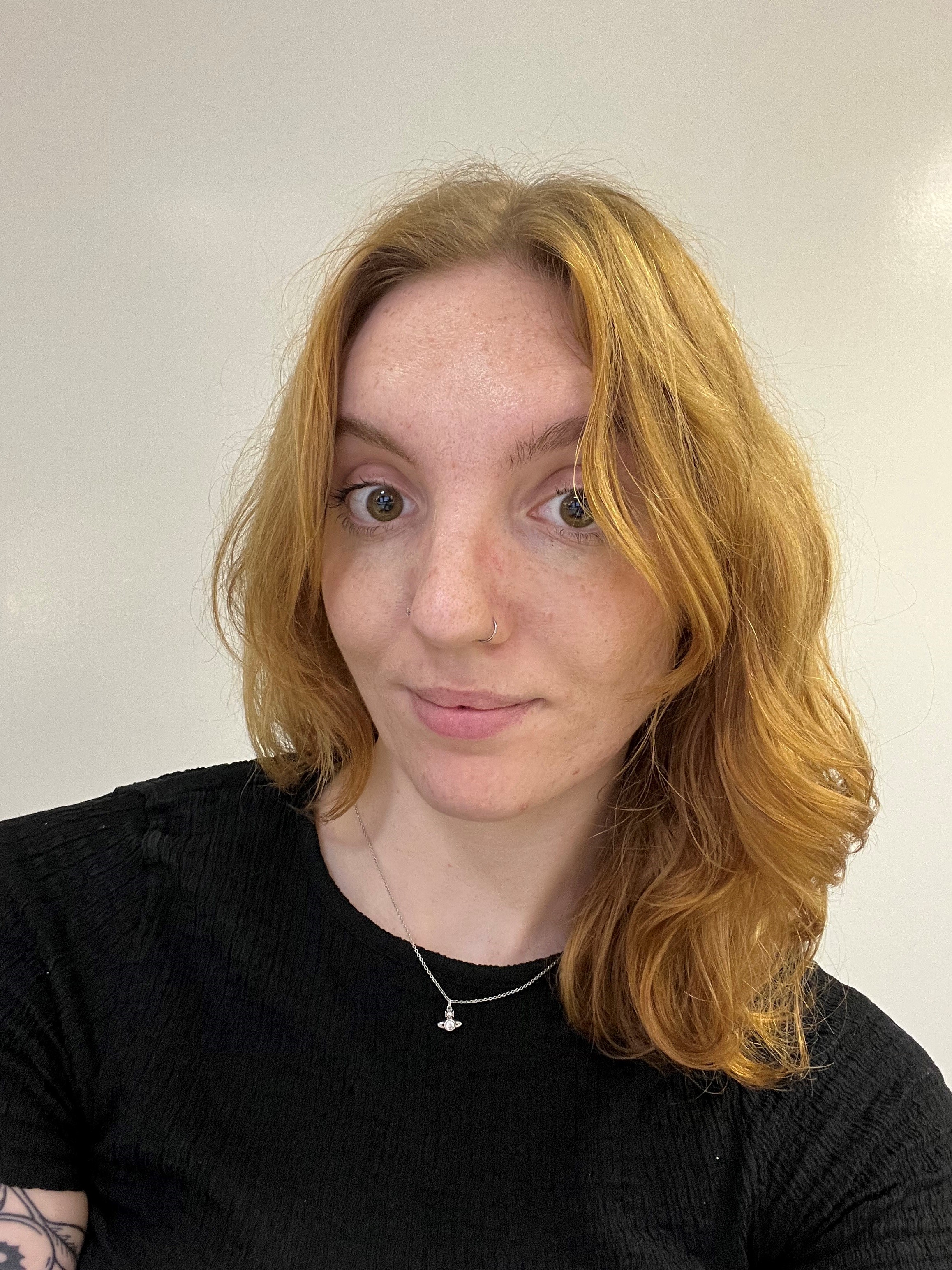
Evie is a Continuous Improvement, Change and Employee Life Cycle Officer in DWP’s People and Capability team, where she supports resourcing projects across a range of continuous improvement work. Her days are varied and fast paced, balancing a mix of projects and meetings. “I am always busy, which is good,” she says.
Being yourself in the ordinary moments
For Evie, visibility is not about grand gestures. It shows up in small, everyday exchanges.
“It means being able to be open with my colleagues and talk about my weekends. I’ve got a partner, so it means being able to speak freely about her, without feeling I must compromise my safety or my comfort. I can just be myself.”
DWP teams are spread across the country, so people often sit alongside colleagues from outside their own team. Evie values being able to mention the book she is reading or the programme she is watching, including ones that sit firmly in LGBT+ space, without a second thought.
“Knowing there’s not going to be any judgment, or anyone questioning why you’d be watching that, makes a real difference.”
She is clear this has been her consistent experience. “I’ve not met anyone I’ve worked with who has been discriminatory or negative. People are always up for learning, even if they have a few questions to begin with.”
A network built around connection
Evie is open about the fact that she does not run the DWP Pride network herself, so she did some research to represent it fairly. What she found impressed her. The network hosts a monthly virtual coffee and chat, with dedicated spaces including a trans and non-binary group, a women’s group and a men’s group, so smaller communities can find a setting where they feel comfortable, alongside the wider network.
It also runs regular events, many of them virtual and therefore accessible wherever colleagues are based, marking moments such as Lesbian Visibility Week and the anniversary of the Stonewall protests. A recent DWP Pride Day brought people together for a couple of hours of drop-in sessions, a Pride quiz and speakers sharing what Pride means to them.
Her message to anyone thinking about getting involved is reassuring.
“Everything is really well organised, and there’s flexibility. You can drop in and out, and there’s no pressure to commit to anything, which matters when everyone leads such busy lives.”
What Pride means, and how it has changed
Pride has shifted in meaning for Evie over the years. Her sense of her own identity took shape from a young age, and her relationship with Pride has evolved alongside a wider landscape that is, in her words, constantly changing. “It’s difficult to give one answer for what it means to me, because it changes.”
What stays constant is the sense of community.
“I come into one category of LGBTQ, but I still like to explore, support and educate myself on all of them. That gives you a much larger sense of community.”
More recently she has sought out queer literature and writing about the trans community, alongside the growing range of film and television that has made those stories far more accessible. She is also discerning about how organisations show up. Some, she notes, treat Pride as a surface-level logo change for a single month. Others ask what they can genuinely do, from raising awareness to supporting the community in practical ways. DWP, she feels, sits firmly in the second group, particularly in the internal conversations and events she has seen this year.
The practices that signal genuine inclusion
Asked what makes a tangible difference day to day, Evie points first to something small but telling: colleagues routinely including their pronouns in email signatures and on Teams.
“If you’re someone with different pronouns, or thinking about that, it gives you a comfortable platform. You’re not a fish out of water, because it’s so common to see now.”
The other difference is people. Colleagues, she says, have accepted who she is and been willing to learn. “I’m always happy to help if people have questions, and if I don’t know the answer, to point them to something useful. People have been open and supportive, and that’s what makes you want to come into work.”
Where different identities meet
Pride is one part of who Evie is, not the whole picture. She is also neurodivergent, with autism and ADHD, and joined DWP through a route designed to support neurodiverse candidates. For her, the two threads are connected: the culture that lets her speak freely about her partner is the same one that lets her be open about how she works best. Through DWP’s Workplace Adjustment Passport, she has ongoing conversations about the support that helps her, from flexibility during busy weeks to a quieter desk and regular check-ins with her manager.
“They’ve always been really helpful, saying, let’s review it, if there’s anything else you think you might need, let’s see what we can do.”
Inclusion, in other words, is not single-issue. It is about being able to bring every part of yourself to work and being met as a whole person rather than one label at a time.
A moment that felt like belonging
One recent example stays with her. Evie is part of the People group, which hosts themed monthly calls open to everyone. A former manager suggested they co-host an upcoming session on Pride, with a reflection and a few slides recommending books, films and programmes.
“Her enthusiasm for doing a session on something meaningful to me, to her, and to a lot of other people, made me feel it really is a community.”
For the jobseeker reading this
So, what is one concrete sign that an employer is genuinely inclusive, not just in principle? For Evie, look for an active network doing real things, the kind of activity you can find on an employer’s website, such as colleagues signing up to volunteer at Pride marches. She also recommends LinkedIn, where people are often happy to talk honestly about what an organisation is like to work for. A visible, active community, and people willing to speak openly about it, tend to tell you more than any single statement ever could.
For LGBT+ jobseekers weighing up the civil service, Evie’s experience offers a straightforward answer: a place where you can be yourself, talk freely about your life, and find a community ready to support you.

VERCIDA works with over one hundred clients who are committed to creating an inclusive work environment. If you are an employer and interested in working with VERCIDA to promote your culture and inclusion initiatives and attract the best candidates, please email [email protected] for more information.
 Help us find the best workplace for you by sharing more about yourself.
We will never disclose your information with others.
Help us find the best workplace for you by sharing more about yourself.
We will never disclose your information with others.
Learn more about this employer
Department for Work and Pensions
Inclusive features
- No matching inclusive features