

Walking on the Shoulders of Giants: Reflections from the House of Commons on Women in Tech and Inclusive Futures
Category: Gender (Equality & Identity), Disability (Learning/Mental/Physical)

Soraya Twiddy is an Accessibility Champion in Sopra Steria’s recruitment team. Here, she shares reflections and learnings from a recent event she attended.
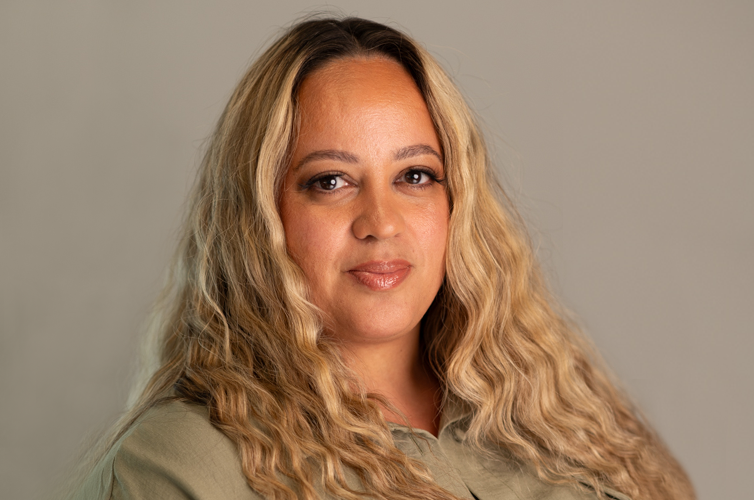
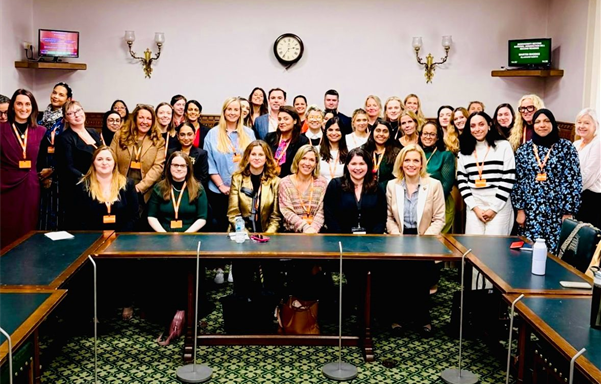
This month, I had the absolute honour and privilege of being invited to the House of Commons as a guest for Women in Tech Week, a discussion centred around rewiring the pipeline to build inclusive and disability confident tech careers.
It was an overwhelming and deeply inspiring day. To walk through such a prestigious building, one where women once had no seat at the table and now to sit among leaders, changemakers, and policymakers shaping the future of inclusion in technology, was a moment of both reflection and hope.
We are walking on the shoulders of giants – women who fought to open these doors, and it’s our responsibility to ensure those doors never close again.
Standing Where History Was Made
As I walked through the halls of Westminster, I couldn’t help but think of Nancy Witcher Astor, Viscountess Astor, the first woman ever to take her seat in the House of Commons.
Born in Virginia, USA, Nancy Astor moved to England after her first marriage ended and married Waldorf Astor in 1906. When her husband inherited his father’s peerage and moved to the House of Lords, Nancy stood for election in his former seat of Plymouth Sutton in 1919 and won.
That victory made her the first woman ever to sit as a Member of Parliament in Britain’s history. During her time in Parliament, she advocated for education reform, welfare, temperance, and women’s rights, paving the way for countless women who would follow.
Astor’s career was not without controversy. She was outspoken, fiercely independent, and held complex views reflective of her time, including anti-Catholic and antisemitic sentiments that have since been widely condemned. Yet, despite these contradictions, her election marked a seismic moment: a woman finally had a voice in a chamber that for centuries had excluded them.
Over a century later, we now see women not only seated in Parliament but leading the charge for equality and inclusion in entirely new sectors, including the digital and technology industries.
One such leader is Samantha Niblett, the Labour MP and Chair for Labour Women in Tech, who hosted the event I was attending that day. Samantha’s work focuses on bridging the gender gap in digital careers, advocating for disability inclusion, and creating a policy framework that ensures equitable access to tech pathways for all.
Her leadership and commitment to transforming how government, industry, and education work together are inspiring. She represents the modern evolution of what Nancy Astor’s legacy began, moving from the fight for a woman’s right to be in the room, to ensuring that every woman, disabled professional, and underrepresented person has the opportunity to thrive once they’re there.
Standing in that same historic building, listening to Samantha and others discuss how we can reshape tech for inclusivity, I felt the continuum of progress, from Astor’s first step into Parliament in 1919 to today’s collective movement driving systemic change.
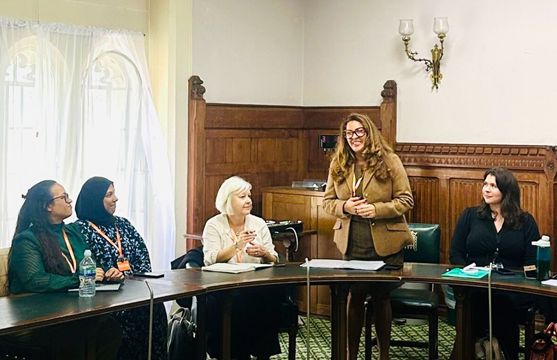
The State of Inclusion in Tech: Key Insights from the Discussion
The data and stories shared painted a sobering picture of the tech landscape in the UK, but also a roadmap for how we can do better.
- 28,000 disabled people are currently left out of the UK tech workforce.
-
72% of women in the tech industry believe their career is suffering because of childcare and family responsibilities.
- Women in tech experience an average salary gap of around £15,000 less than men with similar experience.
- By age 55, many women leave the industry altogether, citing pay inequities, lack of flexibility, and limited disability mentorship or support.
- Ageism in tech begins as early as 28, highlighting how narrow the “acceptable” age window has become in an industry that should value lifelong learning.
- By 2030, over half of the UK workforce will be over 50, while the next generation entering the workforce (ages 15–29) will number fewer than 500,000, signalling a looming talent and diversity gap.
- 1 in 4 UK entrepreneurs identify as disabled or neurodivergent, often drawn to self-employment for the flexibility the traditional workforce does not yet offer.
These figures underscore that the barriers are not just in recruitment, but in retention, growth, and representation at all levels.
Beyond Mentorship - We Need Sponsorship
One of the most powerful takeaways from the event was the call to move beyond mentorship alone. Mentors advise, but sponsors advocate.
We need people in the room who will call out great work when we aren’t there to do it ourselves, who will open doors, speak up for others, and ensure that diverse talent is not just seen, but celebrated. Sponsorship builds networks, confidence, and opportunity, and it’s essential to breaking the cycle of exclusion.
Barriers in Accessibility and Policy
Several practical barriers were discussed, from non-accessible recruitment processes to a lack of accessible digital frameworks.
The Access to Work funding cuts are also a growing concern, risking exclusion of disabled people from both entry-level and senior roles. And while Digital Academies are working to create pathways, they must be matched with policies that support real-world inclusivity, not just training.
The Pipeline Problem and Opportunity
The UK’s below-replacement birth rate and shifting demographics mean we will soon have five generations working side by side. This presents both a challenge and an opportunity: to reimagine tech careers as flexible, lifelong, and inclusive across age, gender, disability, and neurodiversity.
We must look beyond traditional recruitment metrics to retention, reskilling, and valuing non-linear career paths. More consultants, freelancers, and disabled professionals are already proving that flexible models can thrive, but we need systemic change to make this standard, not the exception.
Positive Action: Steps We Can All Take
Change requires both policy reform and personal action. Here are some steps we can all take to make progress:
- Champion sponsorship over mentorship – actively advocate for others when they’re not in the room.
- Audit accessibility in recruitment and workplace design – make live events hybrid, documents accessible, and interviews inclusive.
- Invest in flexible work models – they benefit everyone, not just those with caring or health responsibilities.
- Close the pay and opportunity gaps – conduct regular pay audits and ensure fair pathways for promotion.
- Amplify disabled and neurodivergent voices – especially in leadership and policy discussions.
- Support early exposure for young women and disabled teens to digital skills –bridge the “teen gap” before it becomes a workforce gap.
- Build intergenerational mentorship – tap into the expertise of those over 50 and empower Gen Alpha to innovate inclusively.
A Call to Keep the Conversation Going
As I left the House of Commons that day, I couldn’t help but feel both the weight of history and the spark of possibility.
To be invited into a room where once women were absent, to discuss building a more inclusive and disability-confident future, that is progress. But it’s only the beginning.
The real measure of change will come not from who gets invited to the table, but from how many more tables we build where everyone belongs.
Find out more about working at Sopra Steria
Explore current vacancies at Sopra Steria

VERCIDA works with over one hundred clients who are committed to creating an inclusive work environment. If you are an employer and interested in working with VERCIDA to promote your culture and inclusion initiatives and attract the best candidates, please email [email protected] for more information.
 Help us find the best workplace for you by sharing more about yourself.
We will never disclose your information with others.
Help us find the best workplace for you by sharing more about yourself.
We will never disclose your information with others.
Learn more about this employer
Sopra Steria
Inclusive features
- No matching inclusive features