

Ramadan Between Two Worlds: From London to Hargeisa
Category: Race, Ethnicity & Heritage, Religious & Spiritual Beliefs

Ikram is a Junior Support Analyst at Sopra Steria. Here, she shares her experience of travelling to her ancestral homeland for Ramadan.
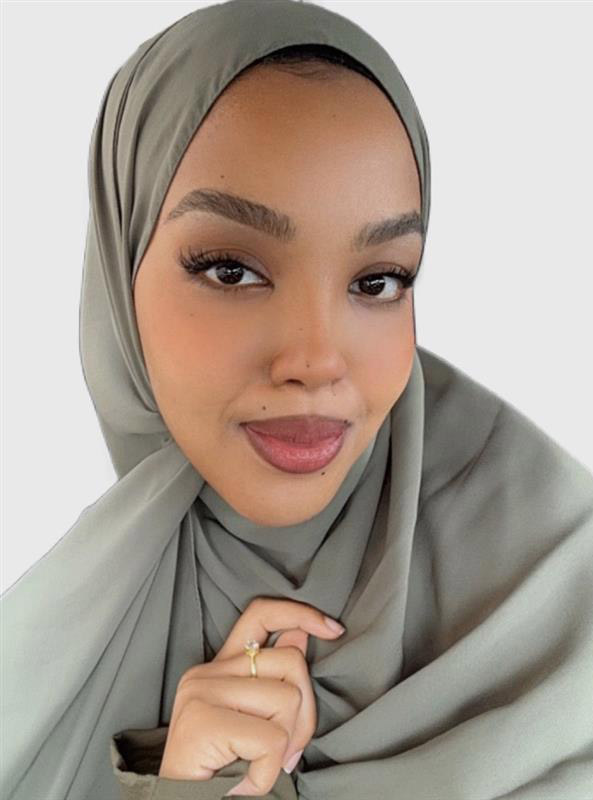
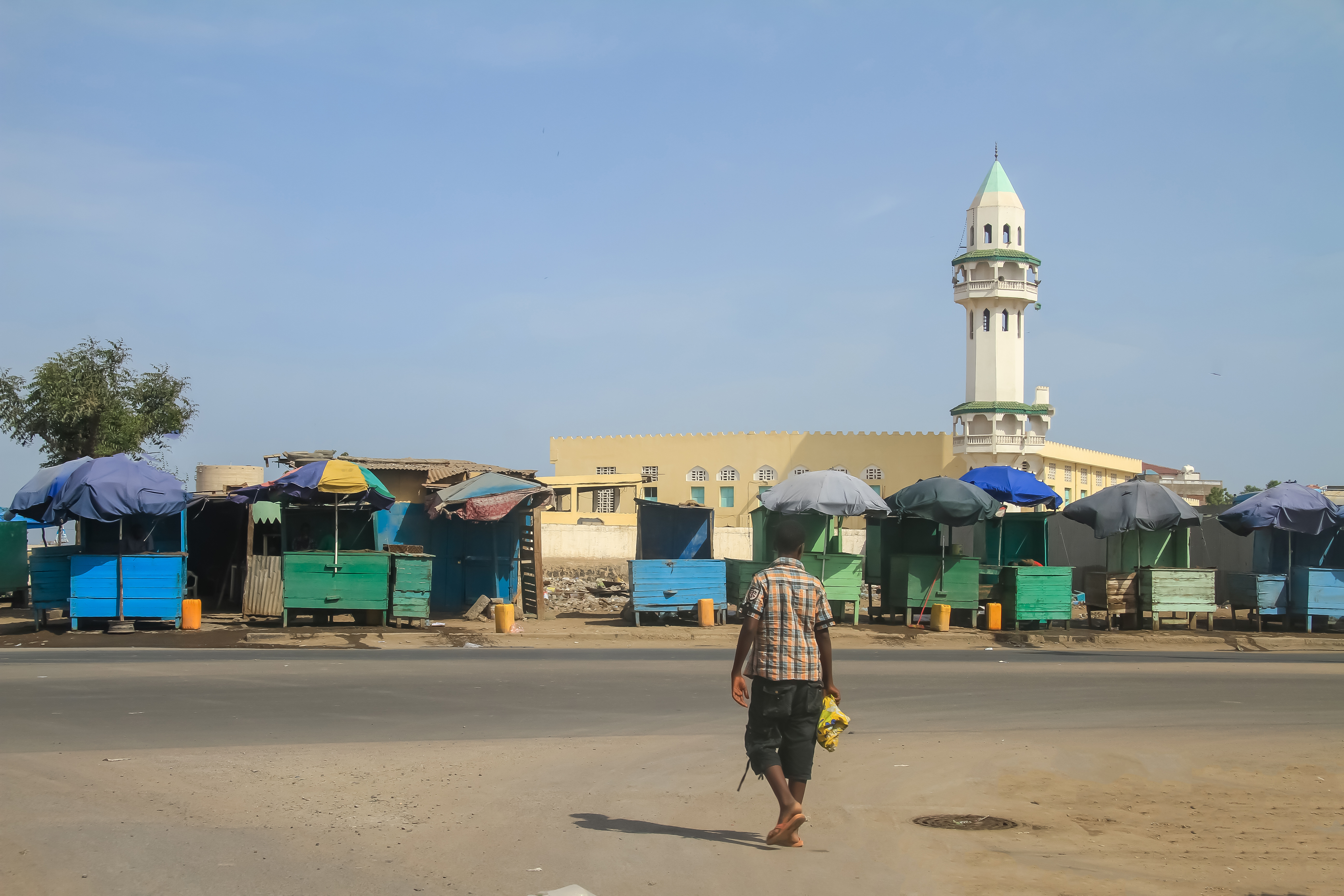
The first thing that hits you in Hargeisa isn't the heat – though the Somaliland sun is fierce enough to make you miss London's gentle drizzle. It's the sounds. The melodic call to prayer echoing across the city, the cheerful "Ramadan Kareem!" greetings floating between neighbours, the bleating of goats being led to market for the evening's iftar.
Growing up in London, Ramadan always meant trying to fast through the unpredictable British weather, setting alarms for ridiculously early suhoor (pre-dawn meal), and explaining to my non-Muslim colleagues why I couldn't join them for lunch. But everything changed the year I spent Ramadan in Somaliland, my ancestral home that I'd only heard about through family stories and grainy WhatsApp calls.
The call to prayer in Hargeisa doesn't compete with the rumble of London buses or the chatter of commuters. Instead, it floats through the warm air, carried by a breeze that smells of frankincense and cardamom-spiced shaah (tea). In my grandmother's home, where I'd never been before but somehow felt I'd known all my life, Ramadan had a different rhythm entirely.
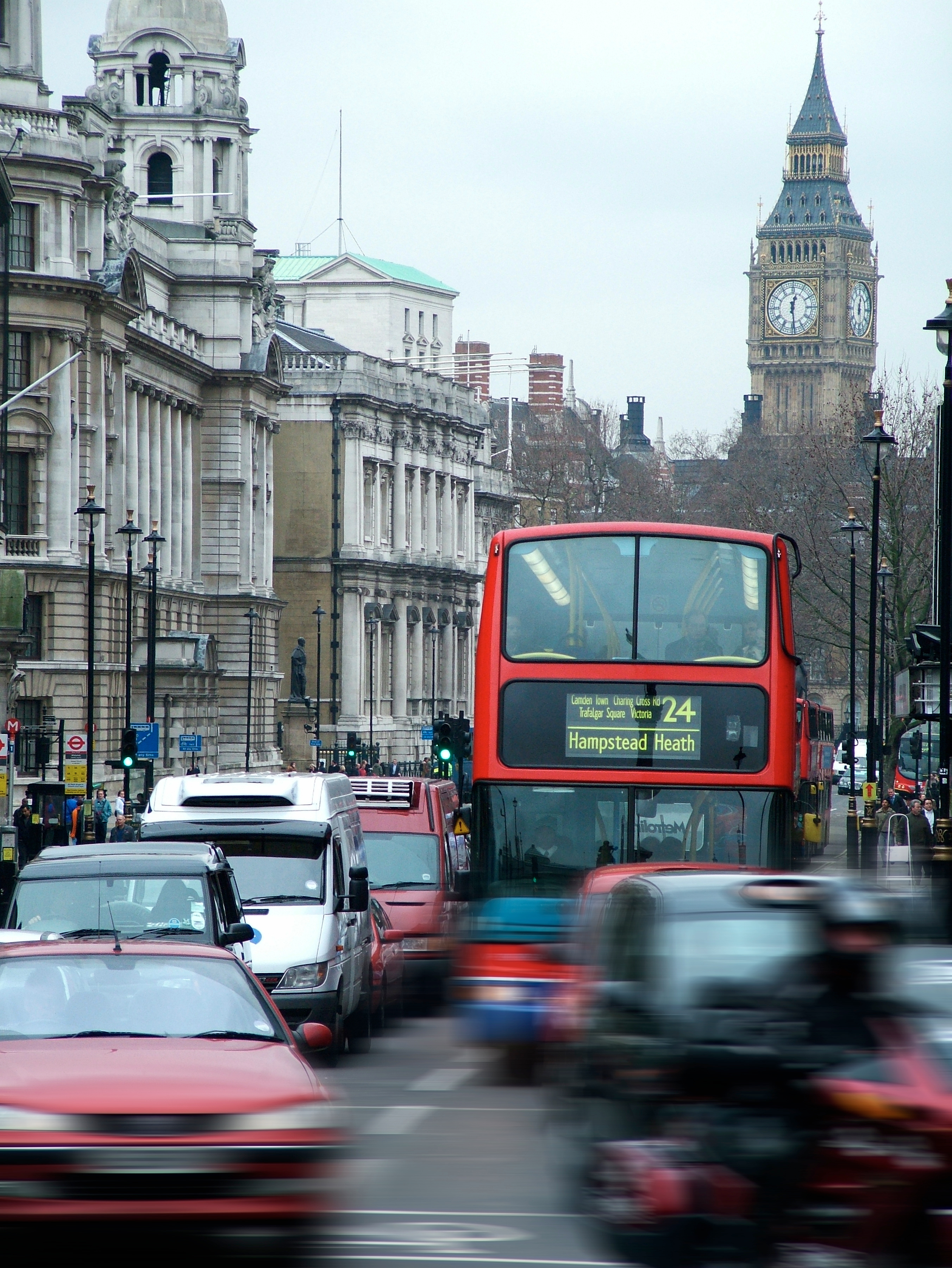
In London, my phone alarm would buzz at 2:30 AM for suhoor, and I'd stumble to our kitchen alone. But here in Hargeisa, the pre-dawn meal is announced by the dedicated subac (dawn caller), walking through the neighbourhoods with his drum, his traditional songs weaving through the streets: "Soo kaca, soo kaca, waa waqtigii suxuurka!" (Wake up, wake up, it's time for suhoor!).
"Walaal, wake up," my cousin would whisper each morning, gently shaking me awake. In London, suhoor meant quick bowls of cereal or toast eaten in sleepy solitude. Here, it was a proper meal. My grandmother, ayeeyo, insisted on making laxoox (a fermented Somali flatbread) from scratch each morning, the sound of her hands working the dough becoming as familiar as my London alarm buzz had been.

The days were hotter than anything I'd experienced during London Ramadans, but strangely, fasting felt easier. Perhaps it was the way the whole city seemed to slow down, operating on Ramadan time. Or maybe it was the constant reminder that I was participating in something bigger than myself – every house in our neighbourhood was fasting, every shop adjusted its hours, every conversation included "Ramadan Kareem."
The biggest difference was iftar. Back in London, my mum would try to recreate the tastes of home, but here, those flavours were alive in every dish. My aunts would gather in ayeeyo's kitchen hours before maghrib (evening prayer), preparing sambusas (savoury pastries) with spiced meat filling, serving up huge platters of bariis iskukaris (Somali rice) topped with tender lamb, and mixing fresh fruit juices that tasted nothing like the boxed ones I knew from London.
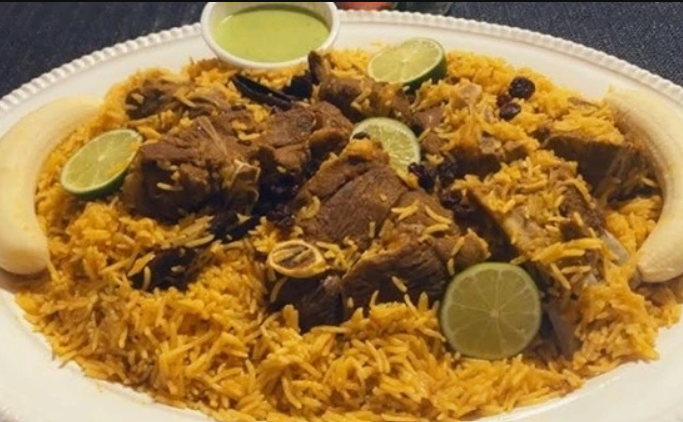
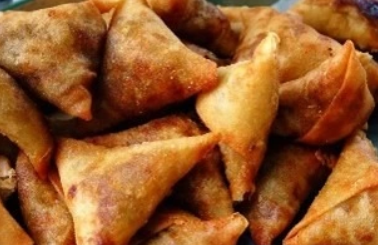
"In London, you rush," ayeeyo would say in Somali, her words translated by my cousin. "Here, we take time. Food tastes better when it's cooked with patience."
The evening gatherings were a revelation. In London, our small family unit would break fast together, but here, it felt like the whole neighbourhood flowed through our home. Children would play in the courtyard, their laughter mixing with the sounds of prayer. Women would gather in one area, men in another, but the sense of community was seamless. Stories would flow as freely as the shaah – tales of Somaliland before the war, of life in the diaspora, of holding onto identity across oceans.
I learned that the way we broke our fast in London – dates and water, followed by a quick prayer and then the main meal – was actually a beautiful blend of our Somali heritage and our adapted London life. Here in Hargeisa, breaking fast was more fluid, more social. People would come and go, sharing not just food but news, jokes, and prayers.
What struck me most was how my London upbringing hadn't disconnected me from this place as I'd feared. Instead, it had given me two ways of experiencing Ramadan, two sets of traditions to cherish. My broken Somali improved day by day, helped along by patient relatives and the universal language of shared meals and prayers.
The last night of Ramadan, as we sat in ayeeyo's courtyard under a star-filled sky I never saw in London, she took my hand and said something I'll never forget. My cousin translated: "You carry two homes in your heart now. That makes it twice as strong."
That Ramadan taught me that home isn't just where you're born – it's where your story began, where your family's prayers have echoed for generations, and where your heart recognises pieces of itself you didn't even know were missing.
Find out more about working at Sopra Steria
Explore current vacancies at Sopra Steria

VERCIDA works with over one hundred clients who are committed to creating an inclusive work environment. If you are an employer and interested in working with VERCIDA to promote your culture and inclusion initiatives and attract the best candidates, please email [email protected] for more information.
 Help us find the best workplace for you by sharing more about yourself.
We will never disclose your information with others.
Help us find the best workplace for you by sharing more about yourself.
We will never disclose your information with others.
Learn more about this employer
Sopra Steria
Inclusive features
- No matching inclusive features