

Navigating a speech impediment in the security world
Category: Disability (Learning/Mental/Physical)

Dominic has been a security officer at Bramcote Barracks in Nuneaton since the start of the year. He has a stammer and has experienced negativity from some who are not used to interacting with individuals with this disability. Over the years, this has come from colleagues, customers, and even management while working for 12 years in the private security sector.
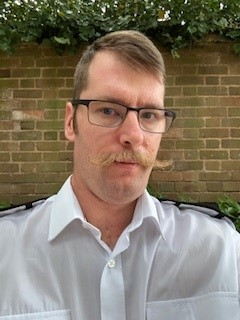
But he is thriving with the MGS with the support of his colleagues and management team, and to mark National Inclusion Week, he has shared some of his experiences of navigating a speech impediment in the security world.
In his spare time, Dominic is also pursuing an Undergraduate Degree at the University of Portsmouth. A BSc (Hons) in Risk and Security Management via distance learning, and once complete, he will pursue an MSc in Terrorism and Security Management, again via distance learning.
Speaking on the Frontline: Navigating a Speech Impediment in Security Work
“Frontline security officers are often the first people employees, visitors, and contractors meet when entering a workplace. They’re not just responsible for safety and access control, but also for creating a welcoming, professional first impression. In many organisations, the role blends traditional security functions with reception duties; greeting guests, answering the telephone, giving directions, providing health and safety information, conflict management, and liaising with colleagues or emergency services where necessary.
“All of the above means communication skills are absolutely central to the job. But for security practitioners who live with a speech impediment, the expectations of clear, confident interaction come with unique challenges, including, but not limited to: Low Self-Esteem; a sense of being overlooked or undervalued may negatively affect self-worth and confidence. For me, one of the biggest is Emotional Exhaustion. Continuously working to control stuttering can be draining, often leading to mental fatigue and emotional strain.
Their experiences highlight not only the personal resilience often required to succeed, but also the importance of workplace culture and inclusion in our industry.”
Communication at the Core of Security
“Security today is about more than physical presence. Increasingly, it demands ‘soft skills’ such as customer service, empathy, and teamwork. A receptionist-security officer hybrid role is a perfect example: it calls for clear communication, patience, and efficiency in every interaction.
“For those with speech differences such as stammering, dysarthria, or apraxia, these tasks can involve extra hurdles. Everyday interactions may mean more preparation, moments of anxiety, or even judgment from those who assume a lack of confidence or capability. Unfortunately, stereotypes still persist, and these can influence how officers are perceived by service users, colleagues, or even managers.”
Barriers on the Frontline
“A speech impediment does not reflect intelligence or ability, yet people with speech differences often face stigma in customer-facing roles. In security, this can translate into being overlooked for visible positions, experiencing subtle forms of exclusion, or receiving impatient responses from the public.
“The environment itself can also add pressure. Security officers often have to respond quickly, give instructions clearly, and manage conflict calmly. In these moments, the demand for flawless communication can be overwhelming, increasing stress and the risk of burnout. Even when discrimination isn’t obvious, the day-to-day reality of misunderstanding and microaggressions can take a toll on well-being and job satisfaction.”
Coping Strategies and Support
“Despite the challenges, many security practitioners with speech impediments develop impressive resilience and effective strategies to thrive in their roles. Organisations, too, can make a big difference by creating supportive environments.
- Technology helps: tools such as digital check-in systems, written logs, and radio codes reduce the reliance on spoken communication.
- Raising awareness: training colleagues and managers about speech differences helps break down stigma and encourages patience and understanding.
- Self-advocacy: Some individuals choose to disclose their speech difference upfront, while others use adaptive techniques like anticipatory phrasing or practising high-pressure scenarios in advance.
- Teamwork and clear procedures are already cornerstones of good security practice. By embedding inclusive communication strategies into these systems, organisations not only support officers with speech impediments but also strengthen overall performance.
Conclusion
“Security officers are more than rule administrators; they are ambassadors of trust, safety, and professionalism. For those navigating a speech impediment, the role requires creativity, courage, and resilience. Their experiences remind us that effective communication in security is not just about how words are spoken, but also about the patience, understanding, and culture of support within which they are heard.”
Chloe, Operational Manager (OM), said: “Dom has been with the MGS since the beginning of this year and has fast become a very valuable member of the team.
"In his relatively brief time with the MGS has flourished within the role, building strong supportive relationships with his colleagues.”
Get support from STAMMA – The British Stammering Association

VERCIDA works with over one hundred clients who are committed to creating an inclusive work environment. If you are an employer and interested in working with VERCIDA to promote your culture and inclusion initiatives and attract the best candidates, please email [email protected] for more information.
 Help us find the best workplace for you by sharing more about yourself.
We will never disclose your information with others.
Help us find the best workplace for you by sharing more about yourself.
We will never disclose your information with others.
Learn more about this employer
Ministry of Defence
Inclusive features
- No matching inclusive features