

Hachette's AgeWise: Keeping Older Readers Engaged Amid Digital Disruption
Category: Generation (Age Friendly), Staff Network Group

Booksellers need to double-down on older readers or risk losing them to digital reading, James Daunt, m.d. of Waterstones and c.e.o. of Barnes & Noble, told a panel discussion held at Hachette’s London office. The panel also featured indie bookseller and current president of the Booksellers Association Fleur Sinclair and Kobo c.e.o. Michael Tamblyn, and was introduced by Virago Press chair Lennie Goodings.
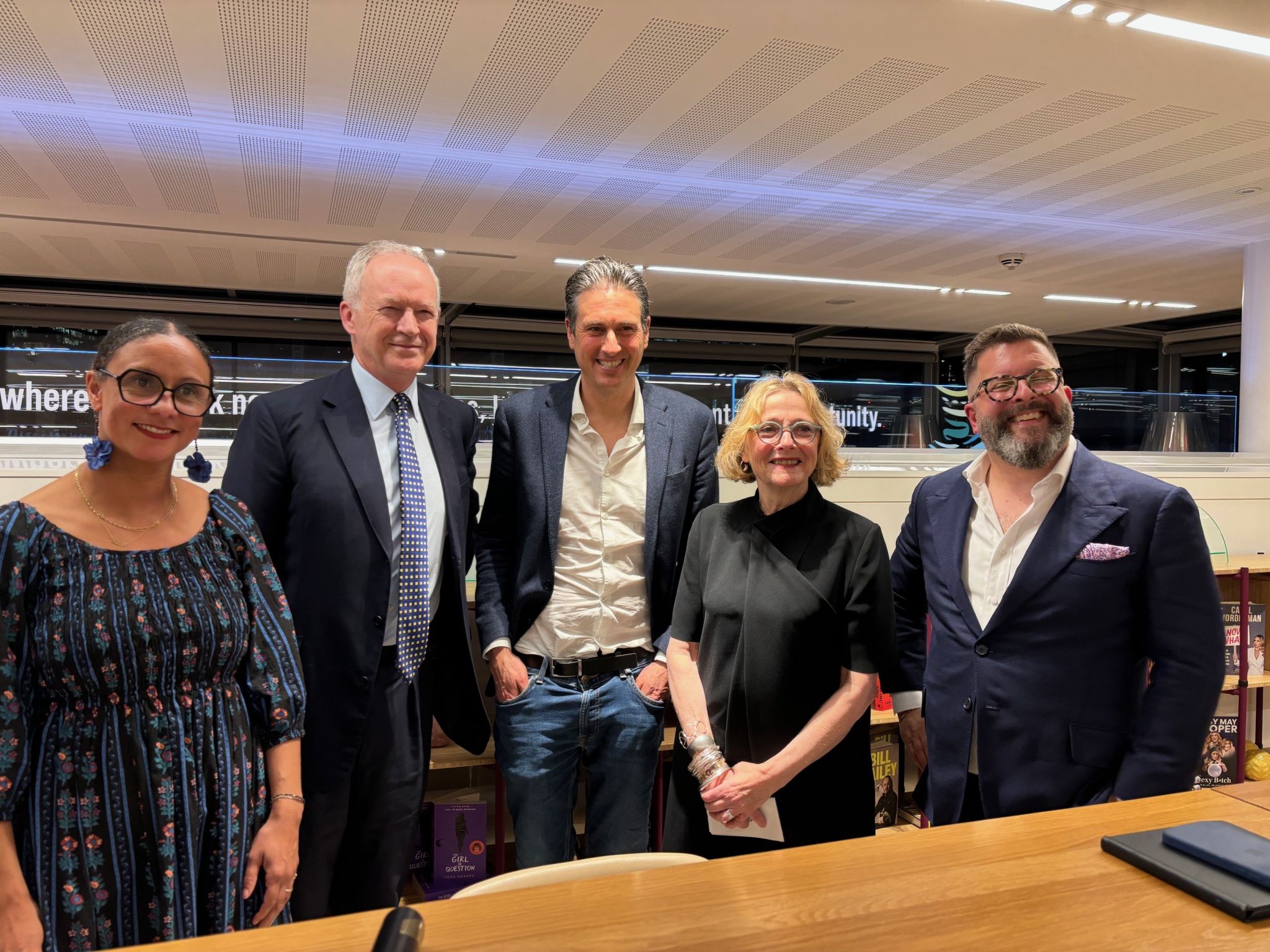
The event, organised by Hachette’s AgeWise group and chaired by Hachette UK and Hachette Book Group USA c.e.o. David Shelley focused on the opportunities of an ageing population. Goodings, co-founder of AgeWise, kicked off the panel with an overview of how changing demographics will impact the book business.
The AgeWise Network was created to celebrate our intergenerational business and works to ensure that those aged 50 and over have proper representation in training, benefits, development, recruitment and promotion.
Goodings said: "Our belief is that a thriving publishing house is one that reflects the population." She likened the current change to the 1970s when suddenly more than 50% of women were working outside the home. "This current working demographic shift is about this ageing population but also about the fact that the mandatory retirement age was abolished in 2011. Work is now a different landscape." By 2050 one in four of the population will be older than 65, with consumers over 55 already holding 60% of the purchasing power, she explained, adding that readers over 50 buy 30% of the total books sold, 34% of fiction and 35% non-fiction.
The panel agreed that this cohort of heavy book buyers was crucial, particularly as it tended to eschew publishing trends, and over-index on back-list titles, but it could not be taken for granted with pressures around the cost of reading, the weight of hardback books, the desire to declutter and small typefaces impacting habits.
Historically, Daunt said, these older readers were the "easy bit" of the market for booksellers. "This is the most enduring and key part of our customer base, it is the one we expect to be most loyal. We could always rely on them." But, he added, the arrival of digital books—in the mid 2010s—with adjustable fonts and portable, lightweight devices, had been a challenge.
"The siren call of digital reading has proved more attractive so we have to double-down and make sure our shops remain compelling places and that we have the discipline as booksellers not to follow publishing trends, at the expense of the books [for older readers]."
Daunt said that children’s and young-adult books had taken up more space within the chains’ shops, and combined with front-list titles to squeeze out other titles, warning: "We can unbalance our shops if we are not careful and particularly attentive to this age group."
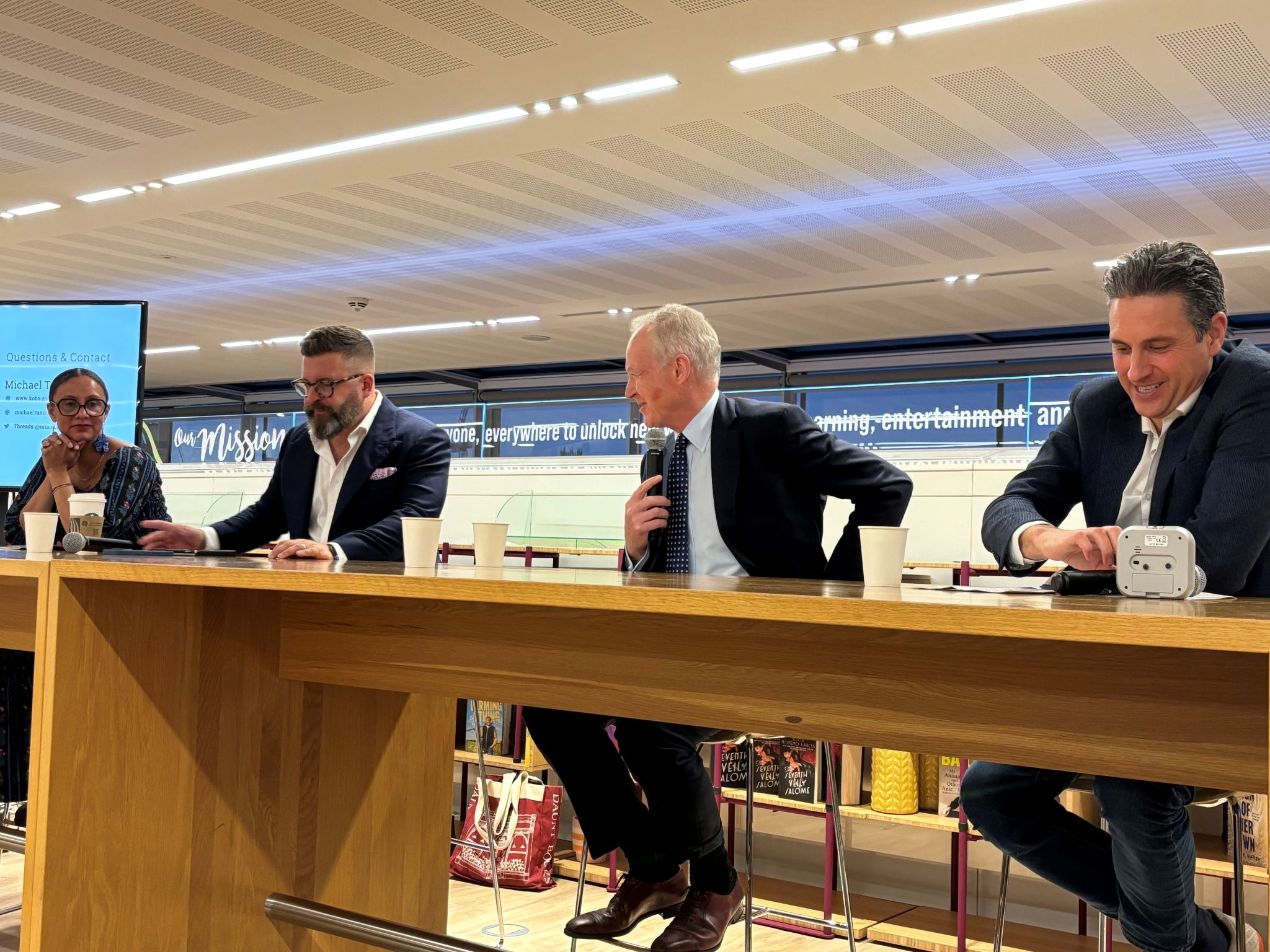
It was a view also expressed by Sinclair, who added that her shop had always been attentive to older customers: "We’ve been serving the over 50s for some time and the challenge has been to get younger customers through the door. But they [the older 50s] are the largest group, so our buying choices are often made with them in mind."
But she said her older customers did not necessarily want to accumulate more books and were often put off by the weight and the size of hardbacks, with some finding the print size in second formats too small. She also said representation was important with it becoming hard to employ older booksellers. "Seeing someone who does look like you is lovely, so it is a concern. This is a real challenge as wages don’t keep up with their lives."
Tamblyn argued that the typical Kobo customer was different than the one the firm had expected during its start-up phase, with older customers tending to use e-readers more than younger readers. He revealed that more than 50% of its customers are over 55, and fewer than 10% are between the ages of 18 and 35. In its biggest markets, including the UK, 65% of its customers are 55 and over. "Once you get your head around that, you start to do things differently."
Tamblyn said the business now leans into the idea of helping customers "read their entire lives", with adjustable fonts, well-lit devices, and light-weight e-readers that can carry a lifetime’s worth of reading history, as well as access to new books at affordable prices. "The idea that you can bring your reading life with you is very compelling as you get older [and look to downsize], and that leads us to zero in on these benefits for this group."
By contrast, Daunt advised publishers to continue to focus on the printed book. "Attention to the physical object is important and appreciated by this group over any other, and it is not just the typeface and the fonts, but the quality of the paper." He also said publishers should not give up on parts of the market simply because they were not currently in fashion. "We have these trends, and the one I am hearing a lot of right now is that nonfiction is in big trouble. But it is just a phase."
 Find out more about working at Hachette UK
Explore current vacancies at Hachette UK

VERCIDA works with over one hundred clients who are committed to creating an inclusive work environment. If you are an employer and interested in working with VERCIDA to promote your culture and inclusion initiatives and attract the best candidates, please email [email protected] for more information.
 Help us find the best workplace for you by sharing more about yourself.
We will never disclose your information with others.
Help us find the best workplace for you by sharing more about yourself.
We will never disclose your information with others.
Learn more about this employer
Hachette UK
Inclusive features
- No matching inclusive features