

The Strength in the Slow Return: How Jacqui Reclaimed Her Career at the Department for Work and Pensions (DWP)
Category: Disability (Learning/Mental/Physical), Returnships (Returning to work)

Created by VERCIDA for the Department for Work and Pensions (DWP)
Returning to work after a serious illness is rarely just about resuming a job description; it is about reclaiming an identity. For Jacqui, that journey involved navigating the complex aftermath of a brain injury.
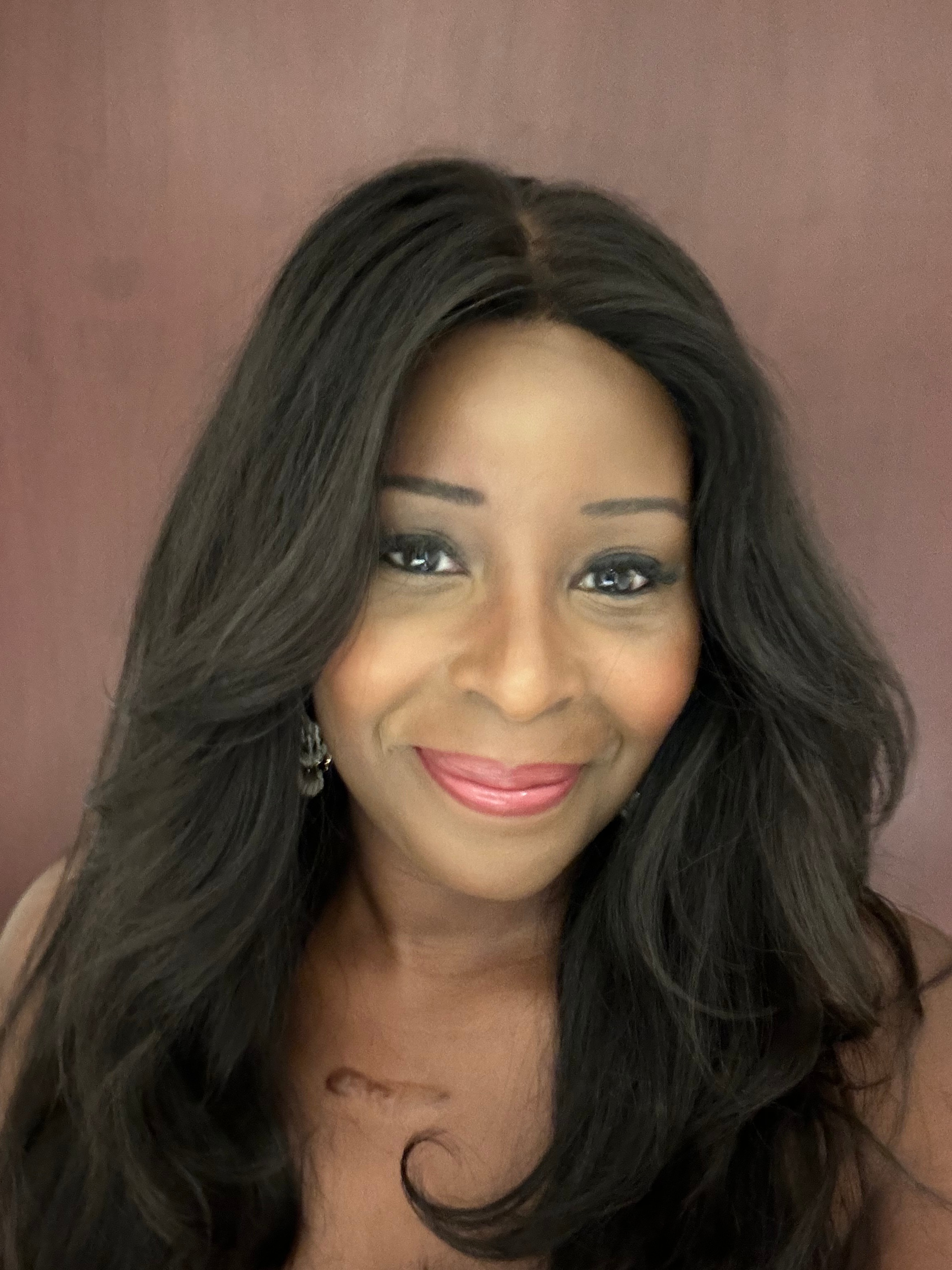
In a warm and candid conversation with Stephen from VERCIDA, Jacqui shared her story of resilience, the vital importance of workplace adjustments, and why “slow and steady” is the only way to win the race back to professional confidence.
A Career Interrupted
Jacqui is a cornerstone within her area at DWP. Having joined the civil service in 1986, she is approaching a remarkable milestone that few reach in their professional lives. "Next year I will be coming up to 40 years she says. "Most of my career at the DWP has been based around the job centre operational delivery side."
However, life took an unexpected turn when a serious brain injury forced her away from the department. For a professional accustomed to a high-energy environment, managing diverse teams and traveling extensively, the sudden transition to the quiet, static environment of recovery was a significant shift. As she began to contemplate her return to work, the prospect of re-entering such a fast-paced environment felt like a monumental undertaking.
"It was very, very daunting. After my illness, which affected my brain, you just lose your confidence completely. I lost my confidence with my skills and my ability."
The transition was further layered by the significance of her new role, which involved supporting a Director General. While such a position is naturally an impressive step in any career, Jacqui found the prospect understandably intimidating after her time away.
"Being offered this particular role was scary in a way," Jacqui reflects, "but I know I was offered it because of my capabilities for the job and the strong reputation I had built for delivering in a people-focused environment."
"Working directly to a Director General is a significant responsibility for anyone, but coming back after a long absence due to an illness with long-lasting effects was a unique challenge. However, I’ve been very fortunate with the support that has been wrapped around me in this role."
The Power of Vocational Support
One of the turning points in Jacqui’s recovery was the realisation that she didn't have to navigate the return alone. She discovered a network of support she hadn't known existed. Following a brain injury, local community outreach teams often step in to bridge the gap between hospital and home.
"When the time was right one of the suggested strands of support was vocational return, we covered every aspect about possibly returning to work, when that could be and how they would support me. Having that gave me such an insight as to what my needs would be and how I could vocalise what was going to be necessary."
This preparation allowed Jacqui to advocate for herself. She didn't jump back into a full-time week; instead, she started with a phased return just two hours a day. The primary hurdle wasn't just having a workload but the physical toll of modern office life.
"It involved using IT and a PC and being on screen. That had a huge effect on my brain, I had to teach myself that it was okay to step away from the computer after short spells. The organisation allowed it; I just needed to do it!"
Embracing the "New Normal" with Technology
In the modern DWP, Jacqui has found a powerful ally in AI and digital accessibility tools. Rather than replacing her expertise, these tools help her bridge the gap during her cognitive recovery, allowing her to focus her energy where it matters most.
"I’ve really learned to utilise Copilot as a supportive tool, it has been a godsend because with the right prompts and instruction goals set, it helps streamline my thoughts when I'm responding to emails or producing pieces of work. It now knows my writing styles, and it takes away some of the heavy lifting involved in drafting, which means I don't have to over-tax my brain for long periods just to get started. It simply makes the process much quicker for me."
She also utilises "immersive reader / read aloud" tools to process long documents. "Rather than my brain reading it and taking in that information, I simply press play, and it talks to you." These adjustments are essential scaffolds that allow a high-performing professional to continue delivering value whilst the brain continues to heal.
Flexibility as a Foundation
The DWP, has implemented several structural supports to help employees like Jacqui. One of the most significant is the (Workplace Adjustment Passport). This document is completed with a line manager before a return to work, ensuring that necessary supportive adaptations such as travel assistance are documented and respected.
Even when pursuing her professional passions, Jacqui has learned to prioritise her health to ensure she can continue to deliver. She currently facilitates one of the DWP’s longest-running development programmes; an initiative she is deeply passionate about because it involves coaching and supporting colleagues. Given the travel demands of her position, she collaborated with her line manager to set a manageable and sustainable schedule.
The Culture of Empathy
While formal policies and technology provide the framework, it is the authentic, supportive culture within the DWP that has truly anchored Jacqui’s return. She speaks warmly of a team environment built on mindfulness and mutual respect.
"My team is very considerate, highly supportive, and always ensuring I have access to the latest information and key updates. Their proactive approach and that collaborative spirit makes a huge difference."
Jacqui also found solace in the shared experiences of senior leaders. She recalls meeting a leader who had navigated a similar path: "We’ve managed to have time together to talk through feelings and the whole rebuilding and continuing your career... It’s a trauma that you carry with you forever. Having those conversations with others has been really helpful."
Paying it Forward: Mentoring and Advice
Despite her own challenges, Jacqui remains committed to helping others. She continues to offer coaching and progression support, though she has learned to set boundaries to protect her energy. When asked what advice she would give to others, her message is clear: “be open.”
"Try to be open with your line manager, there will never be a 'right' time to return. You’ll always be afraid. But you’ve just got to give yourself that push and try it. Slow and steady is what I would recommend."
She emphasises that work itself can be a form of therapy. "Mentally, it was so much better than being at home looking within four walls. I do think work helps. I think having something else to focus on other than your trauma and condition is a good thing."
Looking Outward
Jacqui feels genuinely fortunate to work for the DWP, where the culture of care and support is truly exceptional. She recognises that not everyone is so lucky to be part of an organisation that goes above and beyond for its staff. In her view, DWP stands out for its commitment to colleague wellbeing, offering resources, understanding, and a team spirit. She is grateful to be in an environment where people look out for one another, and where her personal challenges have been met with empathy and proactive assistance. This supportive atmosphere has made her journey back to work far more positive and manageable than it might have been elsewhere, reinforcing her belief that she is indeed one of the fortunate ones.
“Organisations like Headway, The Brain Injury Association produce counselling services and resources. Don't close yourself off. The more you open up and allow people in gradually, the better, rather than becoming a recluse."
A Journey of 1,000 Steps
As the interview concludes, Jacqui reflects on the cognitive glitches that still occur, the forgotten words or the feeling that she might not always be expressing herself as clearly as she would like.
But with a year of being back under her belt, those moments no longer feel like defeats. They are simply part of the landscape.
Her story is a testament to the fact that a "returner" is not someone who is "fixed," but someone who is successfully navigating a new way of being. With the help of empathetic colleagues, adaptive technology, and a supportive organisational culture,
As she puts it, her return was "slow and steady," and a year later, she is exactly where she needs to be.
Key Takeaways for Returning to Work After Illness:
- Utilise the Workplace Adjustment Passport: Document your needs early so both you and your manager have a clear roadmap.
- Phased Return: Start small, even two hours a day, to test your cognitive and physical limits.
- Leverage AI: Tools like Copilot and "Immersive reader and Read Aloud" functions can significantly reduce "brain fog" and fatigue.
- Be Vocal About Fatigue: Recognise that travel and social interaction are just as draining as the work itself. Seek Community: Whether through internal employee networks or external charities like Headway, talking to those who "get it" is vital for emotional recovery.

VERCIDA works with over one hundred clients who are committed to creating an inclusive work environment. If you are an employer and interested in working with VERCIDA to promote your culture and inclusion initiatives and attract the best candidates, please email [email protected] for more information.
 Help us find the best workplace for you by sharing more about yourself.
We will never disclose your information with others.
Help us find the best workplace for you by sharing more about yourself.
We will never disclose your information with others.
Learn more about this employer
Department for Work and Pensions
Inclusive features
- No matching inclusive features