

Plastic Free July at DWP
Category: Social Responsibility (Charity/ Volunteering/Environmentalism)

In recognition of Plastic Free July, I thought I would talk about some simple actions everyone can do to help reduce our use of single-use plastic and become more environmentally friendly, in the workplace and at home.
Finding solutions to plastic pollution
I’m passionate about contributing to efforts to reduce the impact of plastic pollution in the UK and overseas. As it’s Plastic Free July, there’s no better time to raise the profile of this, as the initiative is all about reducing our use of single-use plastics and embracing the principles of reducing, reusing and recycling, by taking small steps that can make a big difference.
Plastic Free July is a global movement that brings everyone together – individuals, communities, businesses and organisations can all take part in the solution to plastic pollution.
Plastic’s cost to us and the environment
When I consider the triumphs of human innovation, plastic stands out as a marvel of the modern age. It’s so versatile and universally used that it’s automatically associated with convenience itself. From the medical field to the food industry, plastics have played a pivotal role in advancing hygiene, safety and accessibility. The invention of plastic has been revolutionary, but I often wonder, at what cost?
This once-celebrated material now casts a long shadow over our stewardship of the planet. The very properties that make plastic so useful, its durability and resistance to degradation, are also what make it an increasing pollutant that’s causing huge global environmental challenges today. Over 300 million tonnes of plastic is used each year with around half of it single-use plastic. Vast quantities of plastic waste suffocate our oceans and microplastics have been found in the most remote and previously pristine regions of the planet.
Take action with simple changes
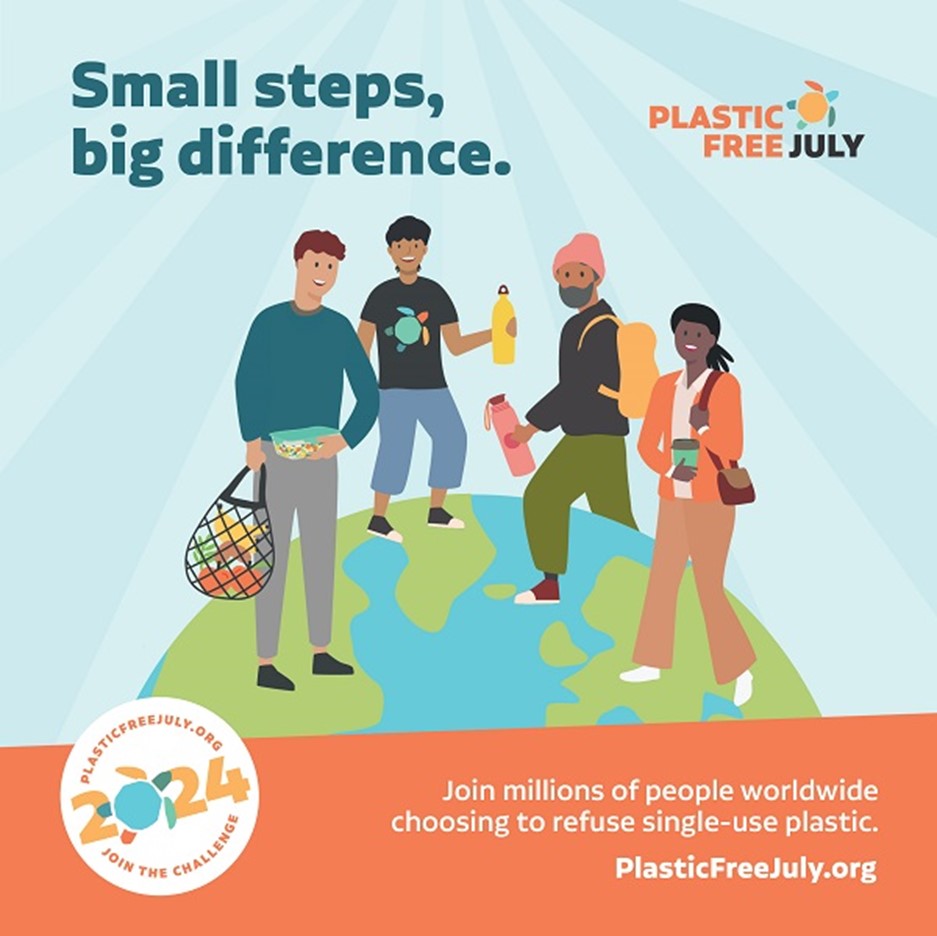
I’d like everyone to see Plastic Free July as being more than a month-long campaign and more of a catalyst for long-term change. It’s an opportunity for us to consider our choices at home and in the office, and to become part of a global community committed to preserving the health of our planet. My challenge is that if everyone takes small, consistent steps, we can collectively make a big difference. Here are a few simple ideas to get you started!
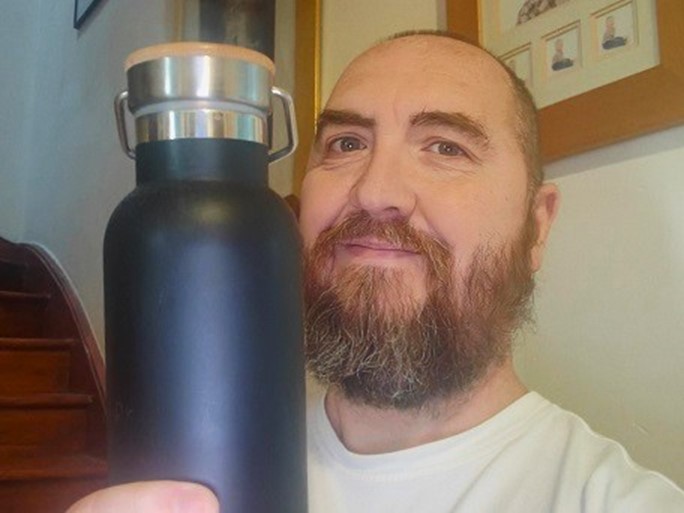
If, like me, you go to the gym, I think nothing of taking a reusable water bottle with me. It’s not only accepted, but also expected. So, let’s normalise bringing a water bottle to work and anywhere you might go. Rather than using multiple disposable cups, instead, top up your bottle from the tap at work or, if your office has one, from the water cooler or filtered tap. My own collection of water bottles is growing! You can pick one up relatively cheaply from many discount stores.
Use the Refill app – with over 330,000 refill stations worldwide, you can hydrate anywhere using any reusable cup or bottle!
At home, or when you are out and about, there are lots of things you can do to reduce your use of single-use plastic:
- Swap out plastic containers for glass or stainless steel.
- Bulk buy and choose products with minimal packaging.
- Refill washing products such as detergents and cleaners.
- Ditch the wet wipes and use reusable wipes that you can wash.
Engage the whole family as this will help minimise waste even more and instils values of environmental stewardship in the next generation. For more tips and advice, check out City to Sea’s Plastic-Free Living guide.
Sustainability in DWP
As well as plastic bottles, since 2023 DWP has managed to use 900.000 less single-use plastic items by:
- Working with Mitie to reduce single-use plastics for cleaning products, for example, using bulk 5 litre supplies and refillable bottles, and reusable cloths rather than disposable ones.
- Working with its furniture supplier, items are selected from the DWP furniture catalogue that have greater recycled content, and are recyclable at end-of-life.
- Design guides for refurbishment projects include requirements for materials to be selected which align with environmental standards, and consider the recycled content and end-of-life recyclability too.
- The toilets across the estate have been stocked with plastic free period products. You can check out City to Sea’s Plastic Free Period to learn about the hidden plastic in period products.
Together, we can turn the tide on plastic pollution.

VERCIDA works with over one hundred clients who are committed to creating an inclusive work environment. If you are an employer and interested in working with VERCIDA to promote your culture and inclusion initiatives and attract the best candidates, please email [email protected] for more information.
 Help us find the best workplace for you by sharing more about yourself.
We will never disclose your information with others.
Help us find the best workplace for you by sharing more about yourself.
We will never disclose your information with others.
Learn more about this employer
Department for Work and Pensions
Inclusive features
- No matching inclusive features