

Why Is Everyone Mumbling? How I Realised Hearing Loss Isn't Always Noticeable
Category: Disability (Learning/Mental/Physical)

My Deafness Journey: Hi, I’m Rebecca, and I want to share my journey of recently discovering my deafness. It was an unexpected experience that showed me just how easy it is to miss the signs, even in yourself.
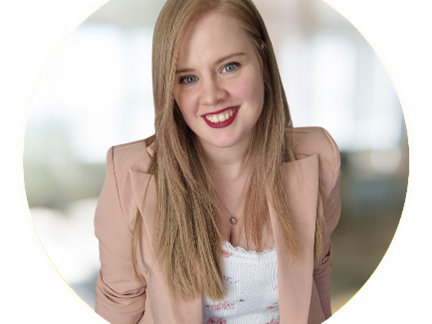
It was purely by chance that I discovered my hearing loss - I had booked an audiologist appointment through my GP to investigate some pain in my left ear, expecting a simple diagnosis. I never expected to find out that I actually had hearing loss in both ears, with my right ear being moderately deaf, and I had no idea. Looking back, I now realise I’d been unconsciously adapting to my hearing loss. I always assumed that when I didn’t hear something, it was because people were mumbling, my headset wasn’t working properly, or the background noise was too loud. It hadn’t occurred to me that the issue might be with my hearing.
“Our brains are incredible at filling in gaps using contextual clues”
Over the last few months, I’ve been adjusting to my new hearing aids and discovering just how much clearer sounds are. The difference has been amazing, especially with features like Bluetooth, which lets me connect my mobile phone directly to my hearing aids. The accompanying app (BeMore) helps me adjust my hearing aids setting for different environments making things easier. However, hearing aids don’t restore my hearing—they only amplify sound, which means background noise can still be a big challenge.
“Designing truly inclusive environments is so important”
What’s ironic to me is that, although I’ve always had some understanding of deafness having grown up with a parent who is severely deaf, I still missed the signs in myself. It’s been a powerful reminder that hearing loss isn’t one-size-fits-all; it’s a spectrum, with variations ranging from mild to profound. Different types of hearing loss affect people in unique ways—some sounds might be audible to one person but completely absent to another. This is why designing truly inclusive environments is so important. There’s no universal solution because everyone’s experience of sound is different. Through creating inclusive spaces we can recognise everyone’s unique experience of sound, so that everyone is valued and included.
Why Accessibility Matters
This experience has taught me how easy it is to overlook signs of hearing loss. After all, how can we notice something we didn’t hear in the first place? Our brains are incredible at filling in gaps using contextual clues, but that doesn’t mean we’re hearing everything we should.
“It's a spectrum that affects everyone differently, and that's why inclusivity matters.”
Since only 7% of communication is verbal, the remaining 93% comes from tone and nonverbal cues like body language and facial expressions, which can make it easier to overlook the signs of hearing loss.
I hope that by sharing my story, I can raise awareness of how we all experience sound differently and advocate for more inclusive environments. I also want to encourage others to check their hearing, as I’ve learned how easy it can be to miss the signs of hearing loss, even in yourself.

VERCIDA works with over one hundred clients who are committed to creating an inclusive work environment. If you are an employer and interested in working with VERCIDA to promote your culture and inclusion initiatives and attract the best candidates, please email [email protected] for more information.
 Help us find the best workplace for you by sharing more about yourself.
We will never disclose your information with others.
Help us find the best workplace for you by sharing more about yourself.
We will never disclose your information with others.
Learn more about this employer
Department for Work and Pensions
Inclusive features
- No matching inclusive features