

Autism Inclusion at Sopra Steria: Leading with Lived Experience
Category: Neurodiversity

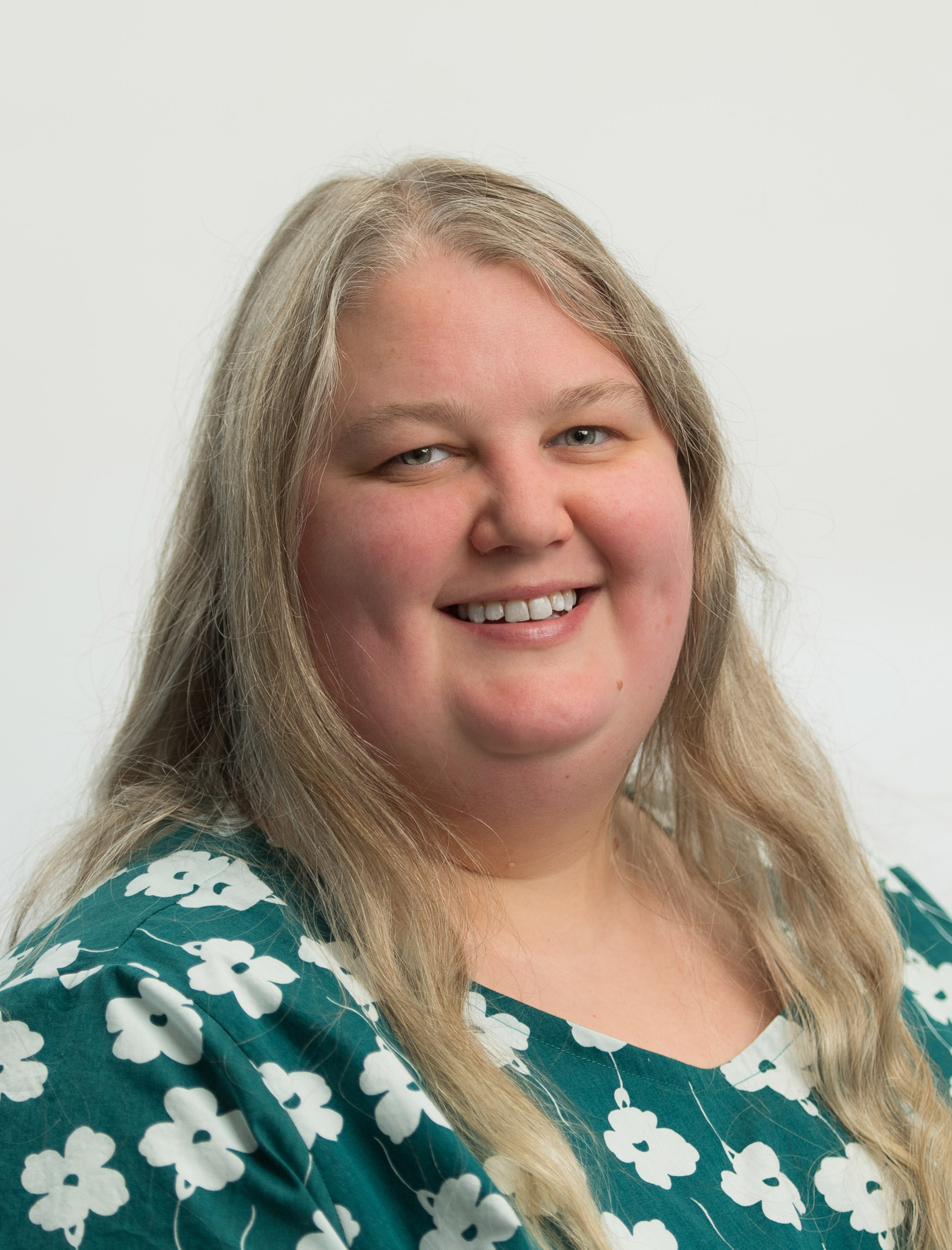
Alison is a Finance Excellence Consultant in NHS Shared Business Services, part of our Sopra Steria UK Family. She’s also an Autism Lead in our Neurodiversity employee inclusion network committee.
This month, instead of limiting ourselves to awareness or acceptance of autism, let’s go further and work towards inclusion.
It’s not enough to know autism exists or to tolerate autistic people. To allow us to fully participate in society, we need everyone to develop more understanding and to intentionally work towards inclusion.
Difference, not tragedy
Speak to most autistic people and you’ll find that we don’t want to be portrayed as broken (who would?). There are lots of ways the world doesn’t work for us, which is why talking about inclusion is so important, but different does not mean broken.
However, living in a world that is built for and run by neurotypical people is not without difficulty. For example, up to 94% of autistic children face bullying at school, and just 3 in 10 autistic adults are in work, with autistic adults facing the largest pay gap of all disability groups.
Narratives about cures and causes dominated autism discourse in the media in the 90s and early 00s, but neither are in the top 10 research priorities according to autistic people.
There are no neat categories, like mild or severe, high or low functioning, but people might describe themselves in terms of their support needs, either specifically (someone might be non-speaking and use alternative forms of communication) or more generally (low, medium or high support needs). Views from autistic people at all levels of need should be respected, and many of our needs and barriers are shared. That said, I do want to be clear that I can’t represent everyone’s view here, and I would describe myself as having lower support needs.
Most autistic people prefer not to be described as “suffering from autism” or “on the spectrum”. And while person-first language (e.g. “person with autism”) is generally preferred when speaking about health conditions and disabilities, we mostly prefer “autistic person” as our autistic identity isn’t something that we want to separate from our personhood.
Adjustments: small but mighty
Workplace adjustments are vital for many autistic people in employment, yet they don’t have to be huge. Flexible start, finish and break times can make a big difference, as can sensory adjustments like wearing noise-cancelling headphones or working in a designated quiet space. Some autistic people may know exactly what works for them, and others may need to try an adjustment and then tweak it to make it work.
If circumstances change, like moving to a new role, then adjustments might need to be made as well. Some adjustments may only be needed at certain times, for example, if a person has more stressors in their personal life.
Being open-minded about what adjustments might be possible, and focusing on equity rather than purely equal treatment, can enable autistic people to realise their full potential.
At Sopra Steria, our people managers receive disability awareness training. We have a ‘just ask’ culture for workplace adjustments and a dedicated specialist we can go to for any additional support.
A sense of community
You might think that autistic people are antisocial loners who wouldn’t necessarily want to talk to anyone voluntarily. Whilst it is true that most of us don’t enjoy small talk (although we might join in to be polite or fit in), autistic people form vibrant communities with our own norms and communication styles.
In the past, autistic communication was thought to be deficient, but recent studies show that the main difficulties arise when communication is between people with different ways of experiencing the world. This is called the double empathy problem.
Connecting with other autistic and neurodivergent people is good for our mental health, and can help us find solutions to problems, and interact without feeling like we have to mask our autistic traits to fit in.
Our Neurodiversity Network is a great place to find and connect with other neurodivergent people, and we have unstructured monthly drop-in chats, plus some more structured social activities planned for this year.
Be explicit
Being clear about your meaning is important when you communicate, bearing in mind that you won't always know if someone in your audience is autistic. It could also help people who have other reasons for needing clear communication, such as people whose first language isn't English.
You may be able to tell straight away that someone has differences in their communication style, or you may know nothing until a communication problem occurs.
Autistic people’s natural communication styles tend to rely more on content and less on tone and body language. In written communication, this might include adding lots of clauses in brackets or with hyphens. I’ll admit to wishing I could get away with nested brackets in my writing, but they'll have to just stay in my Excel formulae!
A little understanding goes a long way
When misunderstandings occur, responding with curiosity can be helpful for problem-solving and preventing similar situations in the future. Maybe some key context was missing, or tone and humour were misinterpreted. This can go both ways, as non-autistic humour can be missed by autistic people and vice versa.
Creating a culture where asking questions is normal and encouraged helps to create an inclusive environment. It’s often important to autistic people to be able to clarify details which might seem trivial to others, but could have a significant impact: for example, being able to manage a sensory environment, or cope with an uncertainty. This is especially true when a person is starting a new role or doing something for the first time.
Make it meaningful
Inclusion isn’t just a target we want to hit; it’s an ongoing journey that needs everyone’s involvement. When we welcome the different viewpoints and talents of autistic people, we can make a community where everyone feels valued and supported.
Let’s go beyond awareness and acceptance and actually push to be a place where autistic people can really succeed.
Find out more about working at Sopra Steria
Explore current vacancies at Sopra Steria

VERCIDA works with over one hundred clients who are committed to creating an inclusive work environment. If you are an employer and interested in working with VERCIDA to promote your culture and inclusion initiatives and attract the best candidates, please email [email protected] for more information.
 Help us find the best workplace for you by sharing more about yourself.
We will never disclose your information with others.
Help us find the best workplace for you by sharing more about yourself.
We will never disclose your information with others.
Learn more about this employer
Sopra Steria
Inclusive features
- No matching inclusive features