

Spotlight on Age Without Limits Day
Category: Generation (Age Friendly)

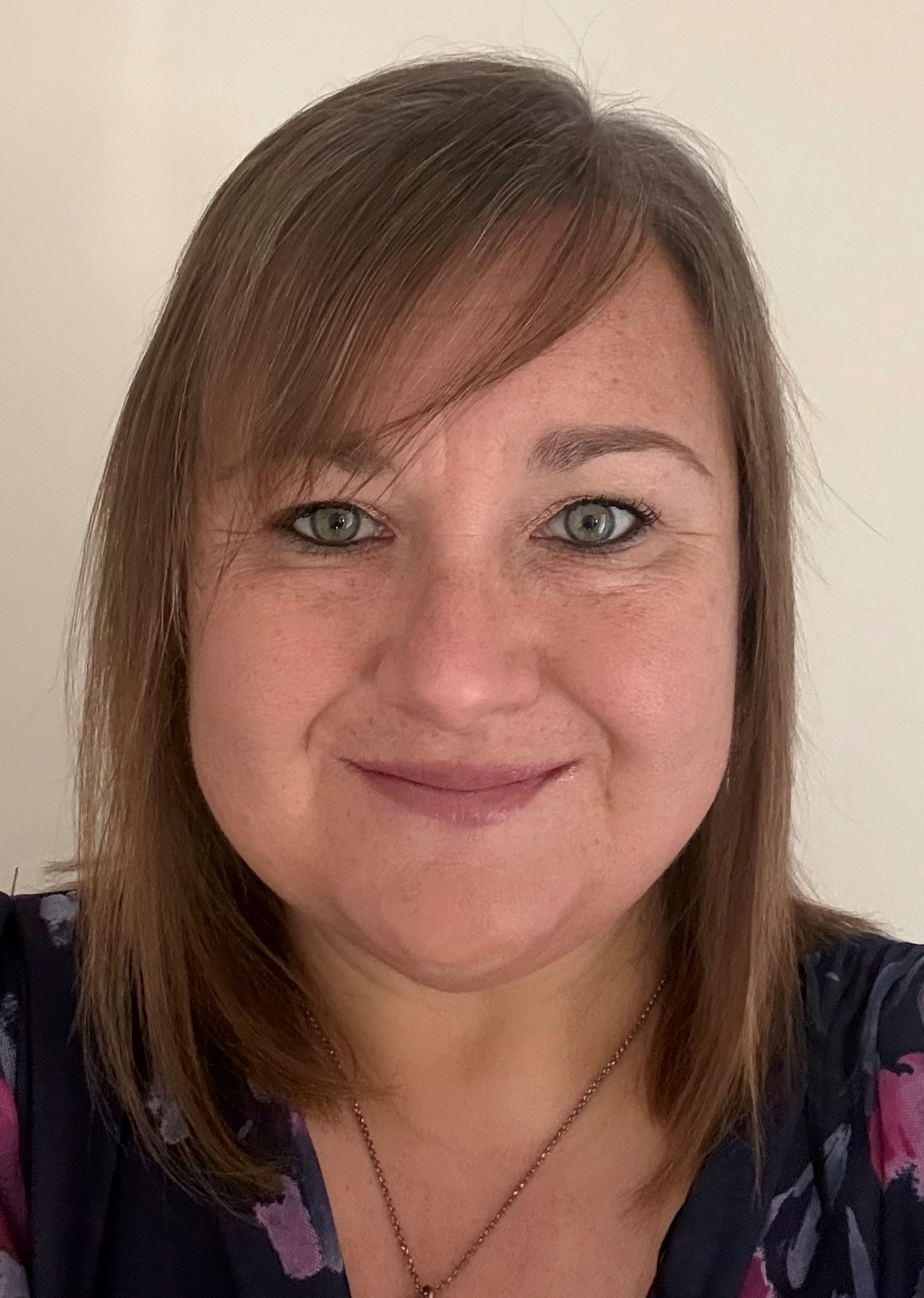
Being part of the Counter fraud Compliance Directorate (CFCD) Age Working Group within the Department for Work and Pensions, has changed how I see age and the stories we attach to it. I want to help create a workplace where people feel valued at every stage of life, so this opportunity felt like a meaningful way to champion age across CFCD and celebrate Age Without Limits Day.
Each year, Age Without Limits Day invites us to pause, reflect, and take action to challenge ageism in all its forms. Not just in the big, visible ways, but in the everyday moments too. In how we speak, how we think, and how we show up for one another at home, in our communities, and at work.
If this sparks your interest or gets you thinking about starting similar conversations in your team, you can explore more using the link below.
Until recently, age was something I rarely thought about. Birthdays came and went without much reflection, just another year quietly added on. But this year felt different.
Turning 40 brought an awareness I hadn’t experienced before. Not in a dramatic, life-changing way, but in smaller, subtler moments. I started noticing things I hadn’t paid attention to before. In meetings, in conversations, even just looking around, I realised I was often one of the older people in the room.
Alongside that came a more uncomfortable thought. For the first time, I became conscious not just of how long I’ve lived, but of the fact that my time is finite. It wasn’t a crisis or a moment of panic, more a quiet shift in perspective. But it changed something. It made me look differently at age, at time, and at what it really means to grow older.
That shift is probably why the Coming-of-Age exhibition in London resonated with me more than I expected. Walking through it with my colleague Donna, I found myself slowing down, not just taking in the artwork, but pausing at the stories behind it.
The exhibition brings together over 120 artworks and objects, from photography and film to everyday items and personal testimonies. Some pieces explore childhood and early life, others focus on later years, and many sit somewhere in between, capturing transitions we often don’t think about until we are already in them.
At the start of the exhibition was a popular 1980s board game, The Game of Life. Everything was mapped out: education, career, marriage, house, retirement. Each step presented as a milestone you were expected to reach. It was striking to see how early we start shaping ideas of what a “successful life” looks like and how easily it gives the impression that life follows a clear path.
As I moved through the exhibition, I became more aware of the expectations and stereotypes that sit alongside those milestones. The idea that we should be “on track” by a certain age. The quiet pressure to “act your age”, as though there is a fixed way to be at different stages of life. Even the familiar label of a “mid-life crisis”, often used lightly, but still carrying an assumption that reaching a certain age should bring uncertainty or dramatic change.
Standing there, it made me question how narrow those expectations really are. The lives shown around me didn’t follow one neat path. They were messy, varied, unpredictable and often shaped by things outside of people’s control. It challenged the idea that ageing is something we can plan and manage step by step. Instead, it felt far less certain, and far less universal, than those milestones would suggest.
One of the strongest threads running through the exhibition was the contradiction in how we view ageing. On one hand, we value it, linking it to wisdom and experience. On the other, we constantly try to resist it, slow it down, or avoid it altogether.
That tension is not new. One piece that stayed with me was a 1536 image of the fountain of youth, showing people bathing in its waters and stepping out younger. I found myself lingering there, struck by how familiar that instinct still feels. Even now, centuries later, the desire to hold on to youth hasn’t really shifted.
It’s made me reflect on how this shows up in our workplace, in CFCD.
As a department, we’re growing towards 12,000 colleagues, and our age profile is shifting with that. We’re seeing more younger colleagues joining, alongside an increase in those aged 60 and above, reflecting wider trends in employment and changes to the State Pension Age.
Age diversity can bring richness to a workplace. Younger colleagues may bring fresh ideas, curiosity and different perspectives, while colleagues with longer life and work experience may bring insight, confidence, resilience and wisdom. When those perspectives come together, it can help create more understanding, supportive and inclusive teams. By valuing the different perspectives that people bring throughout their lives, we can build stronger teams, make better decisions and create workplaces where everyone feels they belong.
It’s a reminder that our workforce, like the lives in the exhibition, doesn’t follow one single path. We’re made up of people at very different stages, each bringing their own experiences, expectations, and perspectives.
That’s exactly why the CFCD Working Age group has never been more important. It helps create a more inclusive working environment where people feel they belong whatever stage of life they’re at. It supports development at every age, recognising that growth doesn’t sit neatly within brackets. And it challenges the stereotypes and assumptions about what different ages should look like at work.
Because there is no fixed timeline. No single version of success. And no right way to be at any age.
Turning 40 made me more aware of time, but the exhibition reframed it. Not something to measure myself against, but something I’m still moving through. Messy. Unexpected. Personal.
And perhaps the challenge isn’t to define ourselves by time, but to stay open to what it brings next.
Author: Hayley

VERCIDA works with over one hundred clients who are committed to creating an inclusive work environment. If you are an employer and interested in working with VERCIDA to promote your culture and inclusion initiatives and attract the best candidates, please email [email protected] for more information.
 Help us find the best workplace for you by sharing more about yourself.
We will never disclose your information with others.
Help us find the best workplace for you by sharing more about yourself.
We will never disclose your information with others.
Learn more about this employer
Department for Work and Pensions
Inclusive features
- No matching inclusive features