

From Royal Navy Officer to Nuclear Defence Consultant: Helen Shropshall on Life After Service at Mott MacDonald
Category: Gender (Equality & Identity), Ex-Armed Forces & Veterans

Helen Shropshall served 20 years as a Royal Navy Officer in Engineering Training Management, becoming the first woman and first non-submariner to be overall Training Manager for the Submarine Service. She is now Business Development Manager for Nuclear Defence at Mott MacDonald, where she has grown the HMNB Clyde portfolio to around £6.5M. Her transition worked because she prepared early: translating her naval experience into civilian language, reaching out to contacts before leaving, and targeting an equivalent-level role. The hardest part was decoding civilian company structures and knowing what level to aim for. Her advice to service leavers is to be clear about why you are leaving, plan your whole next life rather than just the next job, and decide what kind of working environment you want. She describes Mott MacDonald's culture as supportive for service leavers because of its substantial defence work and shared understanding of the military environment.
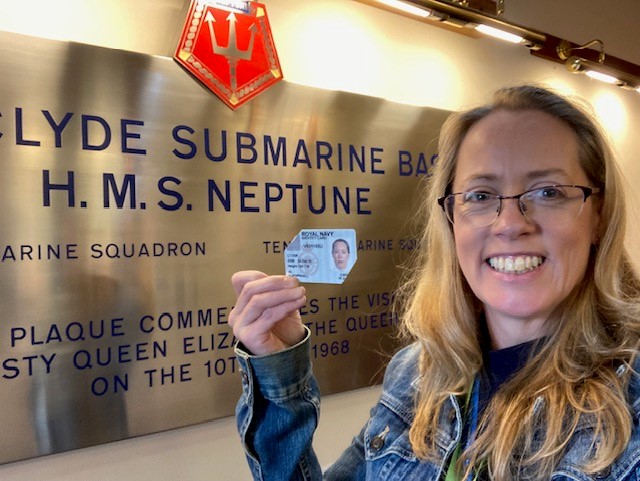
What is your military background and roles you hold/held during service?
Coming from a background of Nuclear Chemistry I served as a Royal Navy Officer for 20 years between 2003 and 2023, my branch was Engineering Training Management and Consultancy and predominantly undertook roles in support of the Submarine Service. I started my career teaching Thermodynamics and Fluid mechanics to the Submarine Engineers, and I progressed through course and pipeline design, training contract management and requirements setting for future works. I ultimately became the overall Training Manager for the Submarine service, the first and only women and non-submarine to hold that post.
What was one of your most memorable experiences you had whilst serving?
My most memorable position was holding the role of Media Ops Officer and Taskforce Spokesperson for the EUFOR Multinational taskforce in Banja Luka, in Bosnia & Herzegovina in 2006. This was an amazing opportunity to work with other servicing people in the RAF and Army, but also other nationalities. It was incredibly interesting to be in the country and see first hand the long-term impacts and the recovery steps that follows war.
What is your current role in Mott MacDonald?
My role is the Business Development Manager for Nuclear Defence, I focus of development areas in the Submarine Services and wider Defence Nuclear Enterprise
How did you find the transition from military to consultancy? What were some of the biggest challenges you faced?
I was fortunate in my transition; I had intentionally undertaken course to consolidate and translate my Navy experience into ‘civilian wording’. I reached out to contact I had known and worked with in my career and let them know that I was leaving the service and looking for a second career. I was very conscious that while I was leaving, life bills and mortgages career on and I needed to ensure I had a seamless transition to an equivalent (at least) role. The biggest challenge was understanding the structures and organisations in civilian companies and trying to quantify what level I was aiming for.
What skills and qualities developed in the military have been most beneficial in your role at Mott MacDonald?
Organisational skills, the ability to quickly grasp the ‘bigger picture’. A strong sense of duty to engage fully with the early induction training – accepting that mandatory training is mandatory and getting on with it.
As I have settled in to my role, my experience from the navy of understanding complex organisations, overcoming hurdles and reaching out to make contacts and allies.
Above all, I would suggest that the years of changing jobs every 18 months gave me the needed confidence to just get on and work out how to get things done.
What advice would you give to someone considering the transition out of service?
Think carefully as to why you are leaving (if a choice) what are you hoping will be better/ improve on the outside. Think of you next step as your whole ‘lived experience’ not just next job, what does your new life look like? This can help avoid just getting a job but not changing your mindset; being a civilian has a different style and levels of expectation for employees, and it is important you know what that is and what kind of environment you want to be in – fast paced and demanding or more wellbeing centred for example.
How would you describe the culture at Mott MacDonald to someone leaving the military? What makes MM a supportive environment for members in the armed forces community?
The Motts Culture is very supportive for service leavers, possibly owing to the significant amount of defence work that Motts does there is an understanding of the defence environment that provides a common ground and basis for friendship. This is important as we spend many hours with our work colleagues and as most armed forces know it is often not the job that is the most important thing; it is the people you work with that makes you enjoy your time.
What has been the most rewarding aspect of your career with Mott MacDonald so far?
I am proud that since arriving Ing I have grown the Mott MacDonald portfolio on HMNB Clyde to circa £6.5M this year, with more work and projects coming in the next few years. This is rewarding personally as I can see a clear indication that I am achieving results in my civilian career, but also that the projects I have secured result in real term positive impacts on the base I spent most of my career in and benefit the Submariners I worked with.

VERCIDA works with over one hundred clients who are committed to creating an inclusive work environment. If you are an employer and interested in working with VERCIDA to promote your culture and inclusion initiatives and attract the best candidates, please email [email protected] for more information.
 Help us find the best workplace for you by sharing more about yourself.
We will never disclose your information with others.
Help us find the best workplace for you by sharing more about yourself.
We will never disclose your information with others.
Learn more about this employer
Mott MacDonald
Inclusive features
- No matching inclusive features