

BAS Discovery Building Achieves World-First BREEAM Outstanding Rating in Antarctica
Category: Social Responsibility (Charity/ Volunteering/Environmentalism)

British Antarctic Survey’s (BAS) Discovery Building at Rothera Research Station has become the first building in Antarctica to achieve an Outstanding BREEAM accreditation, the UK’s highest standard in sustainable construction awarded to just 1% of accredited projects worldwide.
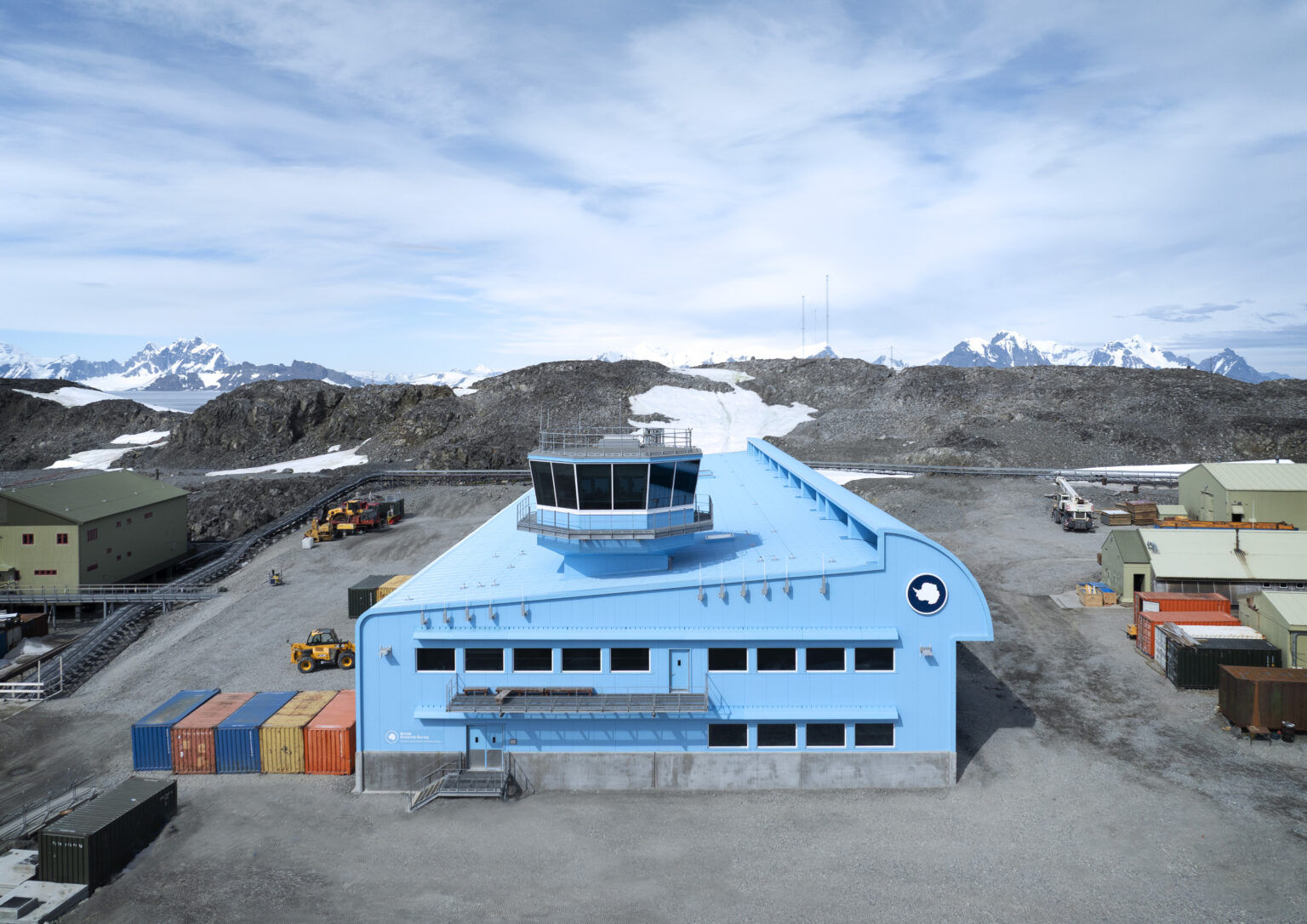
The accolade has been awarded to the £100 million facility, designed and constructed as part of the Antarctic Infrastructure Modernisation Programme and delivered in collaboration with partners BAM UK & Ireland, Sweco, Ramboll, Hugh Broughton Architects, NORR and Turner & Townsend. Reaching a standard attained by fewer than one in a hundred buildings globally is a landmark moment for sustainable building, achieved in the Antarctic Peninsula where construction and operational challenges are unlike anywhere else on Earth.
Professor Dame Jane Francis, Director of BAS, who formally opened the building in January said:
“This is an historic achievement. The Discovery Building is not just the largest UK construction project ever undertaken in Antarctica, it now has the highest level of UK sustainability accreditation. The rating reflects the dedication of everyone involved and our absolute commitment to polar science and operations which support our journey to net zero”.
The building is on track to reduce Rothera’s carbon emissions by 25%, cutting the station’s reliance on marine gas oil and consolidates many older buildings into one modern hub. The Discovery Building uses combined heat and power generators that recover waste heat from the gas exhaust and hot water jackets to warm the building. The building management system automates heating and ventilation to adjust to the number of rooms being used. External insulated wall panels retain heat and over 80 solar panels are installed on the north elevation of the building.
The structure of the building itself ensures energy efficiency with its 90m spinal corridor, so teams can carry out their work and operations all in one place without opening external doors. A curved wind deflector prevents snow accumulation around the building, reducing the fuel and time needed to clear it at the start of each summer season. Thoughtful design features, including the use of colour and multi-purpose spaces also support the wellbeing of the researchers and support staff who live and work there in isolation for months at a time.
Commissioned by the Natural Environment Research Council, part of UK Research and Innovation, the Discovery Building and the new site-wide services across Rothera is a centrepiece of the UK government’s £670 million Antarctic Infrastructure Modernisation Programme, the largest government investment in polar science infrastructure since the 1980s. The programme has already delivered the polar research vessel RRS Sir David Attenborough, upgraded wharfs at Rothera and King Edward Point research stations, and an upgraded runway at Rothera.
This investment reflects the UK’s long-term commitment to world-leading polar science and Britain’s enduring presence in Antarctica. The long-term monitoring conducted at Rothera, from ice sheet stability to marine ecosystems provides critical insights into global climate systems and ocean changes that affect people and communities far beyond the polar regions.
Construction began in 2019 and is due for full completion this year.
Take a video tour of the Discovery Building by Eliot Perez, Assistant Project Manager, Rothera Modernisation.

VERCIDA works with over one hundred clients who are committed to creating an inclusive work environment. If you are an employer and interested in working with VERCIDA to promote your culture and inclusion initiatives and attract the best candidates, please email [email protected] for more information.
 Help us find the best workplace for you by sharing more about yourself.
We will never disclose your information with others.
Help us find the best workplace for you by sharing more about yourself.
We will never disclose your information with others.
Learn more about this employer
British Antarctic Survey
Inclusive features
- No matching inclusive features