

Carving Their Own Path: Women in Engineering at British Antarctic Survey
Category: Gender (Equality & Identity), Training & Development

Created by VERCIDA for British Antarctic Survey
Engineering for the polar regions is some of the most unforgiving work there is, whether it is done thousands of miles south on the Antarctic ice or from the British Antarctic Survey's (BAS) Cambridge headquarters. Two women who reached one of the most male-dominated corners of the profession by very different routes explain what the work asks of them, where the barriers have and haven't been, and why a polar research organisation might be the most welcoming place they have worked.
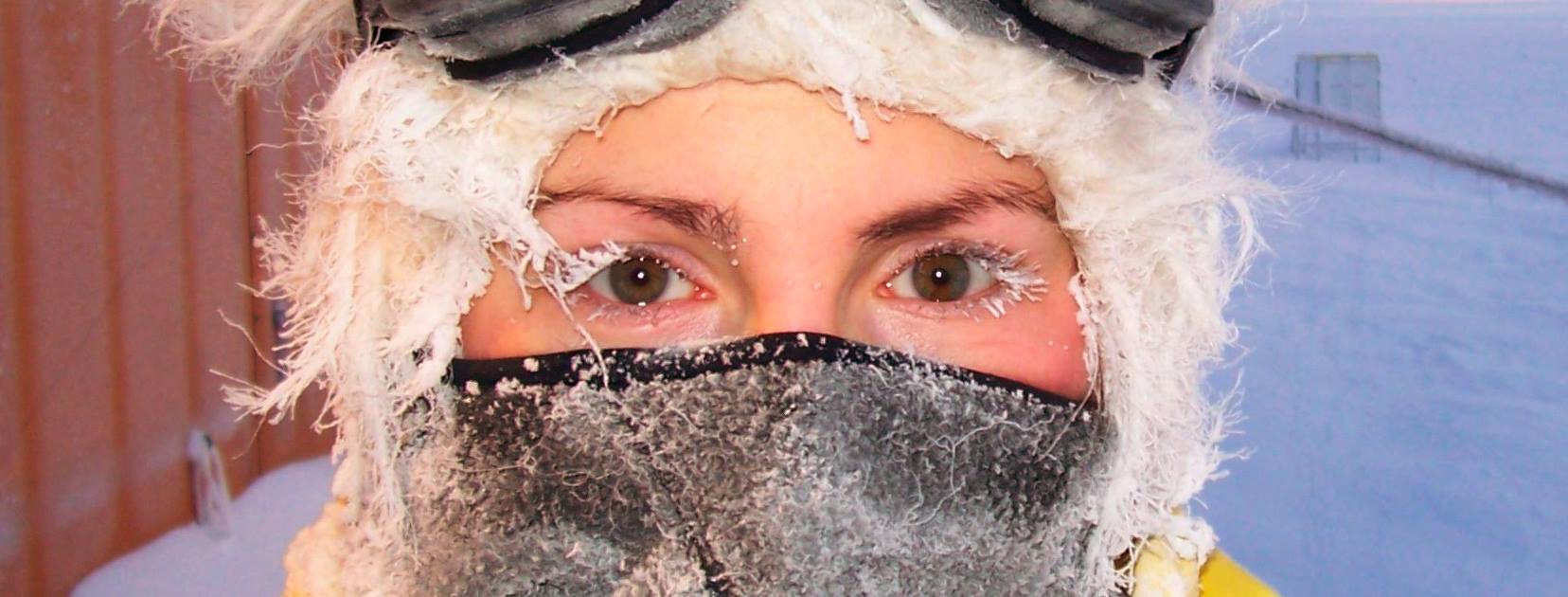
Two Paths, Neither of Them Straight
Samantha King and Hailey O'Sullivan Ryder arrived at BAS from almost opposite directions, and it keeps them at opposite ends: Sam works from the Cambridge headquarters, Hailey is bound for Antarctica.
Sam is Engineering Project Lead for Sustainable Field Instruments; with her specialism being in project management. She studied mechanical engineering, qualified as a marine engineer, and spent three years at sea as a ship's engineer on a six-on, six-off rotation. Coming ashore, she wanted project engineering work but had no experience; a university friend recruiting for it let her apply anyway, and she proved the best candidate. "I fell into it really by accident, and someone gratefully took a chance on me," she says. Thirteen years in project management later, and five months into BAS, she now runs several projects at once to advance its net zero goals for field instrumentation.
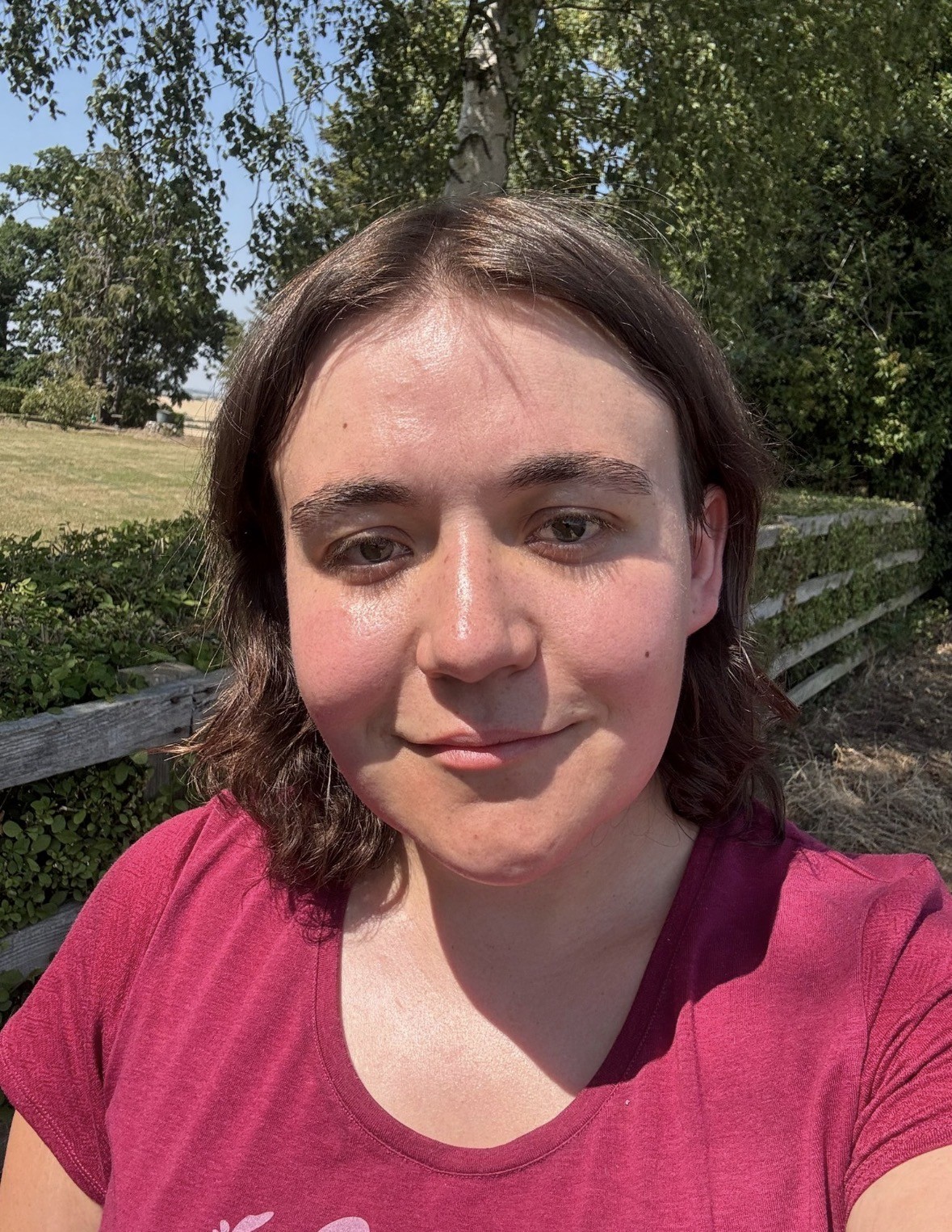
Hailey O'Sullivan Ryder - Electronics Engineer.
Hailey is an electronics engineer, hired on a wintering contract to spend around eighteen months at Rothera Research Station. She has been at BAS about a month, still in training. Her path began with a childhood ambition she has never quite let go of. "I've always clung on to a dream of becoming an astronaut. Even if I never make it, it's something I cling on to," she says. It steered her towards aerospace engineering and pursuits outside her studies, flying, scuba diving, hiking, building rocket engines, none of which felt like a career plan. All turned out to matter: the flying feeds into BAS drone operations, the diving into emergency dive support. At Rothera her job will be station and science support: monitoring experiments, fixing instruments when the data flags a problem, and keeping the radios, satellite phones and the link to Cambridge running.
The Only Woman in the Room
Ask how often they are the only woman present and the answer, from both, is most of the time. Sam points less to her own niche (project managers are reasonably mixed across industries) than to engineering itself, especially its heavier, site-based end. By the end of her master's, two of the forty-nine students who finished were women. She was the only female engineer on all five ships she sailed. "It's sadly just par for the course now, and it doesn't faze me," she says. Her cohort was of its time. The balance has shifted since, if not transformed: according to Engineering UK, women now make up close to a fifth of engineering undergraduates in the UK, up from around one in seven a decade ago, but still only about one in six of the engineering and technology workforce.
Hailey is the only woman on her electronics team, and what strikes her is a quieter cost. She and many of her female engineering friends are repeatedly complimented on being good with people, and she suspects that is not a coincidence. "I wonder if it's the only-woman-in-the-room thing, that we're sort of forced to be better at relationship management." A useful skill, but, she adds, "it's a shame that we have to be able to do that".
Being Heard
Both were candid about being talked past earlier in their careers, always at previous employers, not at BAS.
Sam's sharpest example came when she was new to a role, overseeing contractors on low-risk work at height. A senior manager stopped the job on safety grounds; Sam, who had the training and had signed off the risk assessment, had to explain the regulations to him "in a way that was as least condescending as possible" while the work stalled. She later learned he was known for overriding anything the women suggested.
Hailey describes ideas that were heard but not absorbed, dismissed in the moment, then embraced when a male colleague offered something similar. Her workaround was to lead colleagues to arrive at the idea themselves before they would back it.
At BAS, both say, it has felt different. For Sam, arriving as a project management specialist on a mission everyone already accepts, the drive to net zero, has meant her decisions are generally welcomed. For Hailey the change is more personal. "It's probably the first time in my career that I felt properly listened to," she says. Both have been at BAS only months, and Hailey has yet to deploy, so this is early impression rather than settled verdict; but the contrast with what came before is what stands out.
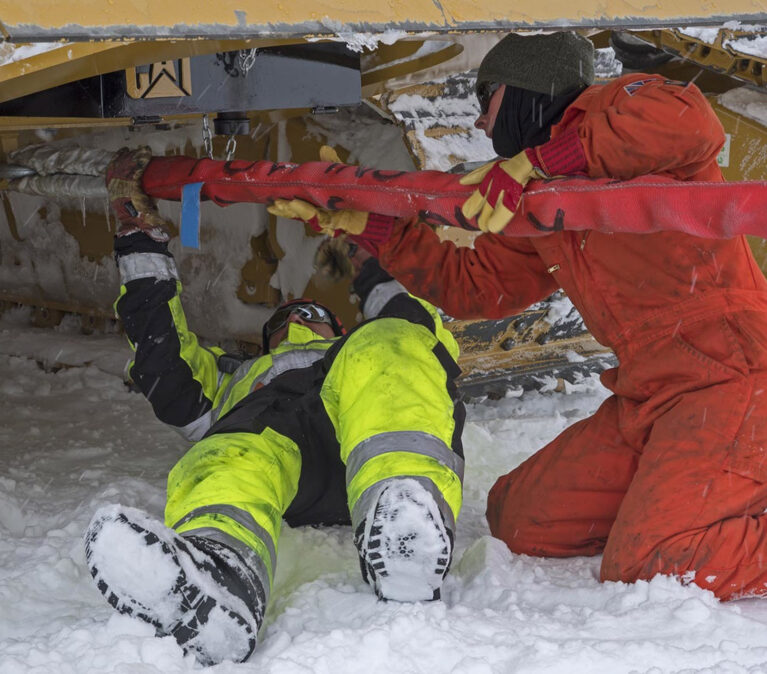
What Actually Helps
On support, their answers are unsentimental. Hailey's is almost disarmingly simple: be treated the same as everyone else. Well-meant help can misfire, she says, when colleagues check in far more often than they would with anyone else, or over-explain the basics. "That can have quite a big impact, that they perceive you and your abilities differently." Equal treatment, with extra support there if wanted, is the baseline she values most.
Sam's emphasis is on advocacy, networks and visibility. "Sadly, just working hard doesn't cut it," she says, for anyone of any gender; you must be able to explain what you do and why it matters. She was once sceptical of women-in-engineering initiatives too, until experience changed her mind. "Having somebody from a particular demographic in a role shows others in that demographic that they can do it." BAS has form here: previous female wintering engineers at Rothera are still well regarded, and one has just been rehired into Sam's own team.
Why the Ends of the Earth
Asked what she would say to a woman in engineering who had never considered BAS, Sam gave three reasons.
- The work is genuinely at the edge. Suppliers can often only test their kit to minus 25 when it will be used at minus 50 or lower, so even standard instruments demand real engineering and problem-solving to survive.
- You might be paid to go to Antarctica. "Not many people can say that they've been paid to go to Antarctica," she says. "That's just pretty cool, no pun intended."
- Everyone is pulling the same way. Unlike the private organisations she has worked for, BAS shares a clear purpose: research that shapes government decisions not only on climate change, but on safeguarding coastal communities and infrastructure from rising seas, protecting the satellite technology daily life depends on, and conserving polar ecosystems under pressure from warming and acidification. That shared sense of direction means far less time spent winning people over.
Hailey's advice is to bring what you love. The role is far broader than its title suggests. "We fix everything from space weather instruments to someone's headphones, and then operate a control tower in between," she says. Outside interests are rarely wasted, and in the isolated, high-stakes places BAS teams work, a range of backgrounds often makes a team click.
Both land on the same note. For Sam, the misconception worth correcting is "that men do it better. They don't always, and very often a mix of genders in engineering gives you different approaches to solving the same problem." Women often think differently, she says, "but that's what builds diversity in a team, and it's a quality to be championed". Hailey's encouragement is plain: do not be put off if your ideas do not land first time; find another way to explain them. The difference in how you think is not the problem; it may be the point.

VERCIDA works with over one hundred clients who are committed to creating an inclusive work environment. If you are an employer and interested in working with VERCIDA to promote your culture and inclusion initiatives and attract the best candidates, please email [email protected] for more information.
 Help us find the best workplace for you by sharing more about yourself.
We will never disclose your information with others.
Help us find the best workplace for you by sharing more about yourself.
We will never disclose your information with others.
Learn more about this employer
British Antarctic Survey
Inclusive features
- No matching inclusive features