

Mentoring, representation and growth: two perspectives on one mentoring journey
Category: Race, Ethnicity & Heritage, Training & Development

Mentoring is often seen as an opportunity for one person to share their experience with another. But for Rohet Vashisht and Jerry Seager, taking part in Sopra Steria’s Under-Represented Ethnicities Internal Mentoring Programme became much more than that. It gave them the chance to listen, learn from each other and have honest conversations about confidence, career development and representation.
Rohet and Jerry already knew each other before they were matched through the programme, giving them a strong starting point. From there, they built a mentoring relationship based on openness, trust and a willingness to learn from each other.
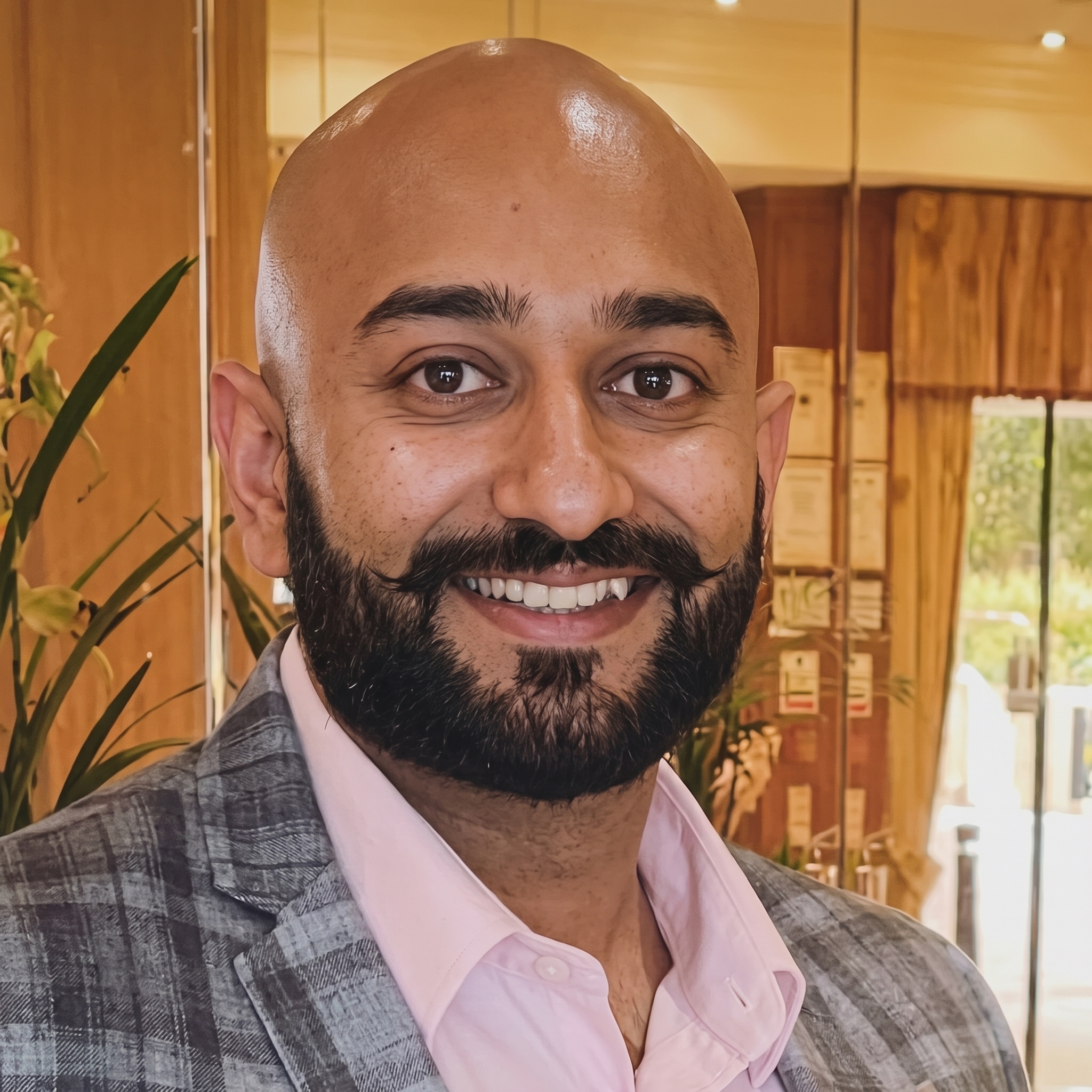
Rohet Vashisht - Procurement Business Partner.
Rohet: A space to think differently
When I joined the programme, I saw it as a chance to learn from someone with more experience, get a different perspective and think more broadly about my career. What I didn't expect was how much it would shape the way I think about confidence, leadership and the importance of representation at work.
From our first conversations, it was clear this wasn't going to be a traditional mentoring relationship where one person gives advice and the other simply listens. Jerry would listen first. Rather than giving me an answer, he helped me look at situations from different angles and come to my own conclusions.
We talked openly about career development, stakeholder management, confidence, networking and navigating change. Having that trusted space helped me realise that professional growth isn't about always knowing the right answer. It's about having the confidence to ask questions, consider different perspectives and make informed decisions.
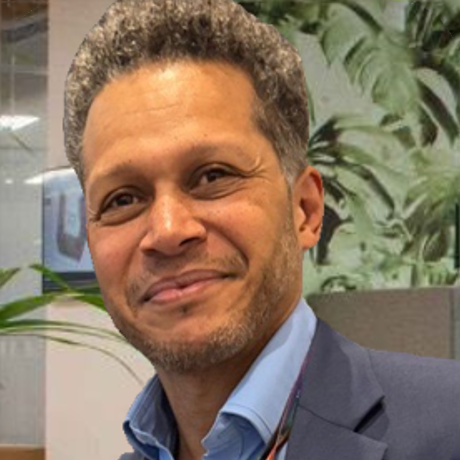
Jerry Seager - Oracle Practice and Alliance Director.
Jerry: Listening and sharing
As a mentor, those conversations gave me the opportunity to reflect too.
At the beginning, I described what I hoped to bring to our relationship as "listening and sharing", and that became an important part of our conversations.
Good mentoring isn't about hierarchy or one person having all the answers. It's a two-way conversation built on trust, curiosity and respect.
While some of our lived experiences gave us a point of connection, no two people's experiences are the same. Rohet brought his own perspective, ambitions and questions. My role wasn't to make decisions for him. It was to create a space where we could explore those questions openly and where I could share experiences from my own career when they were helpful.
The experience reinforced something important for me. Mentors don't need to know everything. Sometimes, the most valuable thing you can do is listen properly, share honestly and help someone work through their choices for themselves.
Why representation matters
Representation was an important part of the experience for both of us.
Rohet: As someone from an ethnic minority background, I've always understood the importance of diverse representation. But mentoring reinforced just how powerful it can be in practice.
Seeing someone who has built a successful career while remaining authentic to who they are can help you see what's possible for yourself too. It shows that progression is achievable and that there isn't just one way to be a leader.
Jerry: Through my role as Chair of our internal Race & Culture Network, I've seen conversations about some of the barriers that can affect colleagues from under-represented ethnicities, including visibility, access to informal networks and development opportunities.
Mentoring can't address every challenge on its own, but it can help create space for important conversations and make access to support and guidance more intentional.
When people can connect with someone who understands some of the spaces they're navigating, development and progression can feel more achievable.
Bringing mentoring into everyday work
One of the things that made our mentoring relationship particularly useful was that it wasn't separate from our day-to-day work.
We were working together on live priorities, so real situations could become starting points for conversations about stakeholder relationships, communication, balancing priorities, judgement and confidence.
Rohet: This was where mentoring delivered some of its greatest value for me. We weren't only talking about where I might want to be in the future. Our conversations helped me think about how I could be more effective in the here and now. I could take what we'd discussed and apply it directly to my work.
Jerry: Having that real-life context made our conversations much more meaningful. We weren't discussing development in the abstract. We could talk about genuine situations and use them to explore things like judgement, influence and confidence.
Growing on both sides
One of our biggest shared learnings was that mentoring works both ways.
Rohet: The experience helped me rethink what confidence looks like. I began to see that being confident isn't about knowing everything. It's about being willing to contribute, ask questions, seek clarity and keep learning.
It also encouraged me to recognise how far I'd already come. In a fast-paced working environment, it's easy to focus on what you still need to improve and overlook the skills and experience you've already built. Mentoring helped me appreciate both.
Jerry: For me, mentoring was also a chance to reflect on my own career and some of the assumptions I'd made along the way.
It reminded me of the people who have created space for me, advocated for me or helped me understand how organisations work, as well as the times when I've had to find my own way.
That's one reason I feel a responsibility to help make access to guidance and opportunities more intentional for others. Mentoring is often described as giving something back, but I also see it as paying something forward.
More than one mentoring relationship
For both of us, the programme has shown that mentoring relationships aren't simply about passing knowledge from one person to another. They're about creating space for honest conversations, challenging your thinking, sharing experiences and learning from each other.
It isn't a solution to every barrier, but mentoring is powerful when it’s part of a wider commitment to creating an inclusive workplace where everyone has the opportunity to grow, progress and realise their potential.
Rohet: If you're considering becoming a mentor or mentee, embrace the opportunity. You might join expecting to learn something about your career, but you could also learn something important about yourself.
Jerry: Mentoring has reinforced for me how important it is to create the conditions where people can thrive, progress and feel seen. When mentoring is personal, practical and connected to real opportunities, it can play a meaningful part in making that happen.

VERCIDA works with over one hundred clients who are committed to creating an inclusive work environment. If you are an employer and interested in working with VERCIDA to promote your culture and inclusion initiatives and attract the best candidates, please email [email protected] for more information.
 Help us find the best workplace for you by sharing more about yourself.
We will never disclose your information with others.
Help us find the best workplace for you by sharing more about yourself.
We will never disclose your information with others.
Learn more about this employer
Sopra Steria
Inclusive features
- No matching inclusive features