

Inside VodafoneThree's Disability Pride Month
Category: Disability (Learning/Mental/Physical), Neurodiversity

July marked Disability Pride Month, and at VodafoneThree we spent time celebrating disability as an important part of diversity and identity and continuing to champion accessibility, inclusion and belonging.
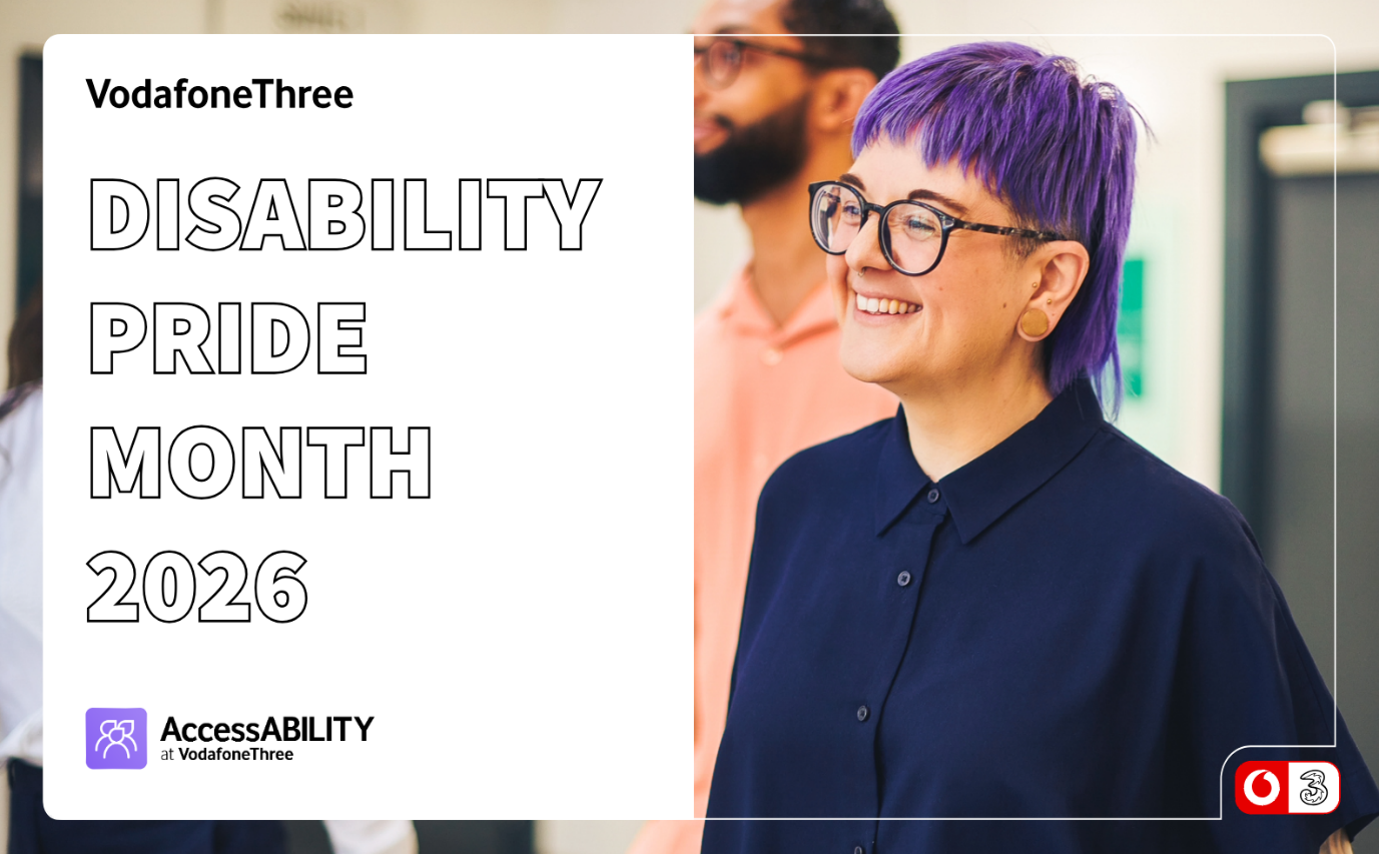
Over the past month, we’ve shared personal stories from colleagues across our AccessABILITY Network, through the “I am more than my disability…” campaign, helping to increase understanding of disability and neurodivergence through lived experiences.
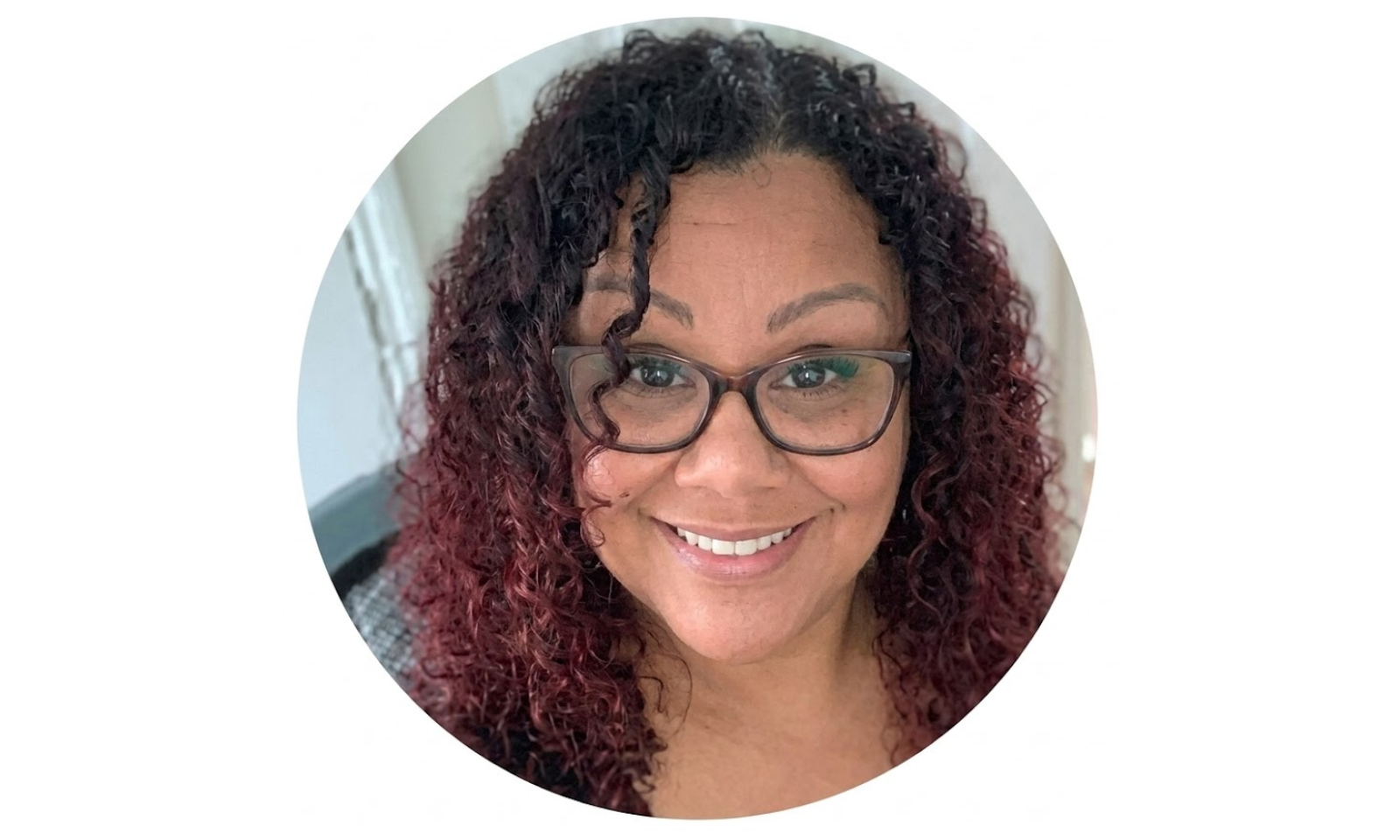
We met with Lisa, a Proposal Manager at VodafoneThree, and she shared her experience of living with bipolar disorder.
Bipolar Disorder is a mental health condition, with symptoms relating to a system imbalance, making it difficult for someone's brain to regulate mood.
For Lisa, it meant years of misdiagnoses and hiding behind a mask, before receiving answers that helped her better understand her experiences.
Many invisible disabilities go unnoticed because the signs are not always recognised for what they are.
Lisa's experience is a reminder of why understanding matters.
"The lows were seen as depression, the highs were seen as fun, outgoing, reckless, or traits of my personality. Put together, it was classic bipolar - but no one connected the dots, especially because as an adult, I was high-functioning and held down a career the whole time."
Since receiving her diagnosis, Lisa has been open about living with bipolar disorder, sharing her experiences to help others feel seen and supported.
"Ten years on, I have stability in my life."
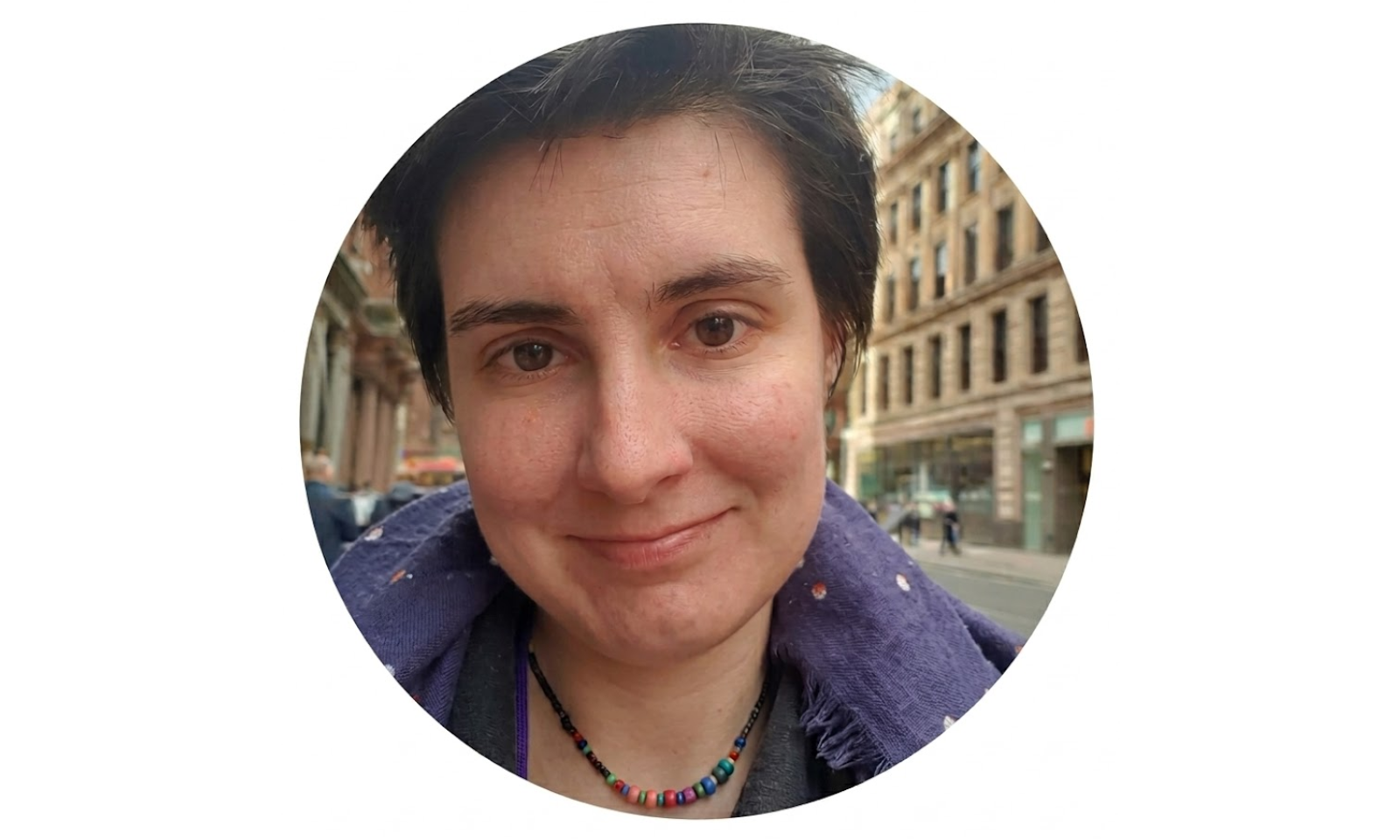
We also sat down with Paige, a People Reporting and Systems Specialist at VodafoneThree; to learn more about their experience of living with OCD and ADHD, and what it's like to navigate two invisible disabilities.
OCD (obsessive-compulsive disorder) is a mental health condition that causes obsessive thoughts and compulsive behaviours, while ADHD (attention deficit hyperactivity disorder) is a neurodevelopmental condition that affects focus, attention and impulse control.
"I was diagnosed with chronic OCD at age 13 and then ADD (now ADHD) in my late teens, growing up in the US, so I've been living with both conditions for my entire adult life. My ADHD really took a ramp up a few years ago, and after a lot of dithering, I decided to get rediagnosed in the hopes of getting NHS help."
Since accepting both conditions as part of their life, Paige has learned to manage them through therapy, medication, and a deeper understanding of neurodiversity and co-occurring health conditions.
"I've come to love my wonky neurodivergent brain. If I could minimise the distress and anxiety, I certainly would, but anything more would completely change myself, and I would never want that."
So to roundup, what a great July! From colleague spotlights and personal stories to our #IAmRemarkable community conversation and a fireside chat with our AccessABILITY Executive Sponsor, we've created opportunities to learn, share experiences and challenge perceptions.
A huge thank you to everyone who contributed throughout the month and helped reinforce our commitment to disability inclusion and ensuring that everyone at VodafoneThree feels seen, heard and included.


VERCIDA works with over one hundred clients who are committed to creating an inclusive work environment. If you are an employer and interested in working with VERCIDA to promote your culture and inclusion initiatives and attract the best candidates, please email [email protected] for more information.
 Help us find the best workplace for you by sharing more about yourself.
We will never disclose your information with others.
Help us find the best workplace for you by sharing more about yourself.
We will never disclose your information with others.
Learn more about this employer
VodafoneThree
Inclusive features
- No matching inclusive features