

Unveiling Authenticity: Rog's Journey of Self-Discovery within the Ministry of Defence
Category: Gender (Equality & Identity), LGBTQIA+ (Sexual Orientation)

Created by VERCIDA for Defence Infrastructure Organisation
In a world increasingly grappling with mental health, identity, and the power of acceptance, some stories shine as beacons of hope. One such story belongs to Rog, a data analyst at the Defence Infrastructure Organisation (DIO), part of the Ministry of Defence (MOD).
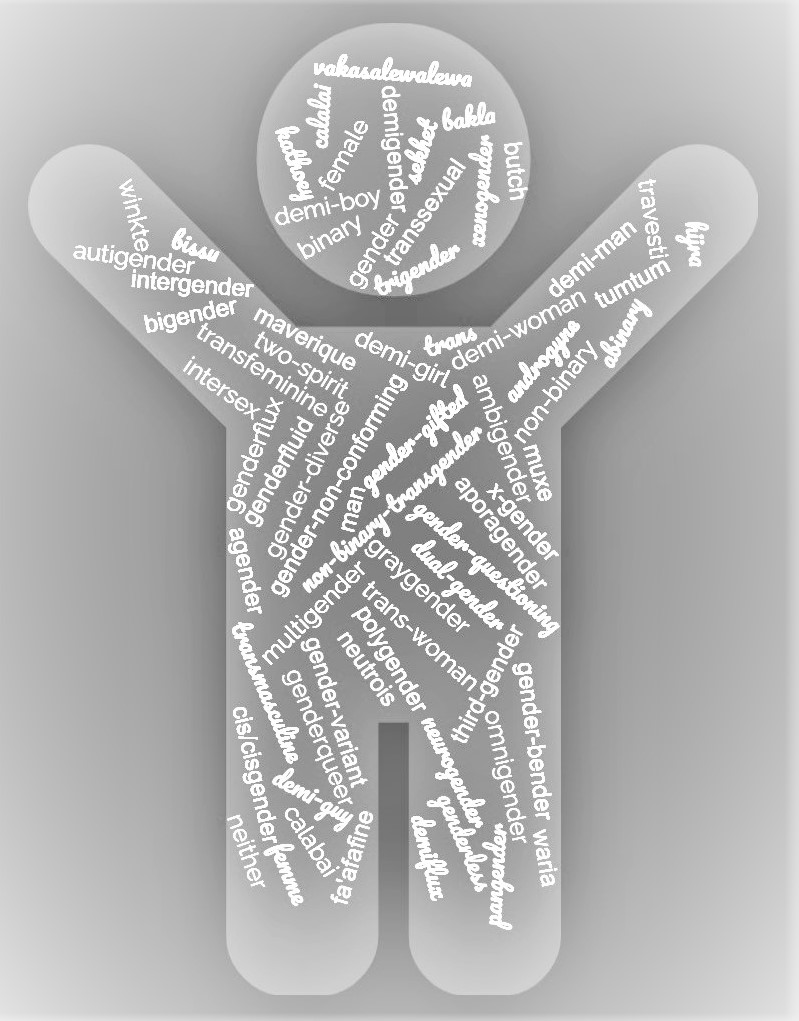
Rog’s journey, marked by profound self-discovery and the courageous embrace of their true self, offers invaluable insights into the intertwining paths of mental well-being, gender identity, and sexual orientation. Their experiences, especially within the supportive framework of the MOD, paint a vivid picture of how compassion and inclusive policies can transform lives.
The Challenging Embrace of Self: Confronting Internal Conflicts
In one of the many insightful articles written by Rog, "A D&I Journey – 'Closet Encounters of the Third Kind'," the subject matter delves into the raw honesty of their internal struggles. For years, an unspoken anxiety simmered beneath the surface, manifesting as depression. They bravely share that the most challenging "encounter" on their journey was confronting the unknown cause of this profound sadness. It was a period of intense internal conflict, a disconnect between who they felt they were and the identity they presented to the world. "I didn't know the cause of that depression," Rog recounts, acknowledging that it was "probably gender dysphoria mixed with high anxiety."
Their message to others experiencing similar internal conflicts is powerful and resonates deeply with compassion, "It's a difficult journey, but you have to stay true to who you are. Don't be forced by others into something you are not." They emphasise the critical importance of seeking professional help, highlighting their own positive experiences with NHS counselling and a psychiatrist. "The first couple of sessions were difficult, but it all came out in the end," they say, debunking the misconception that internal struggles are abnormal. "You're not alone," they assure, urging individuals to avoid "false hope through medication or alcohol and narcotics," as "hiding doesn't help your mental state." Rog's journey underscores a vital truth, acknowledging and addressing the internal self is the first step towards healing and authenticity.
Finding Language, Finding Freedom: Panaesthetic AroAce and Transgender Identities
For many, language provides a framework for understanding complex internal experiences. For Rog, discovering the terms " Panaesthetic”, “AroAce" and "Transgender" was a pivotal moment in their self-discovery, even though they admit they’re "not looking for a label." They explain that labels, while sometimes confining, can also offer a sense of belonging and validation, especially when navigating a spectrum of identities.
"It's taken many years of trying to find out who I am with the advent of the internet to find out that there are other people out there who were like me," Rog reflects. The term "panaesthetic" which I only discovered two years ago, describes being attracted to a person based on their aesthetic qualities, their looks, the shape of their face, their clothing; regardless of gender. This resonated deeply with their experience. Coupled with "AroAce" (aromantic asexual), this language provided a coherent understanding of their unique attractions and relationship preferences. "It just helped having the language there to make sense of who I was," they share. This highlights a crucial aspect of identity, finding the words to describe one's experiences can be incredibly liberating, offering clarity and a pathway to self-acceptance.
The Intersecting Worlds: Living "More Me"
Rog speaks eloquently about living as "two separate people; one who lives inside and one who lives outside both my body and the house." This candid admission captures the universal struggle of reconciling an inner world with external expectations. For years, their daily life was a careful negotiation; dressing authentically within the privacy of their home but conforming to male attire when stepping outside to avoid "the stigma of being transgender, to stop being ridiculed or abused."
However, this careful balancing act has begun to shift. Over the last couple of years, Rog has bravely started to integrate their authentic self into their outward appearance. "I've started painting my nails and occasionally wearing tops that might be considered to be feminine for the days I work in the office," they share. What's striking is the positive reception, "I was expecting some backlash from that, but surprisingly, the only comments I seem to get are from women who are envious of how well I paint my nails." This small but significant act of self-expression, met with acceptance rather than judgment, speaks volumes about the changing social landscape and the power of supportive environments.
The concept of being "more me" now manifests in tangible ways. Rog recounts a shift from wearing darker, traditionally masculine colours to embracing "brighter clothes." They’ve become "more open about who and what I am," even contemplating going out in female clothes with supportive friends. "It's been great that they've been fully supportive," they beam, noting, "I think they'd fight the battles more than I would if anyone would say anything derogatory." This gradual integration of their internal identity with their external presentation signifies a profound step towards authenticity and inner peace.
Dismantling Misconceptions: The Asexual Journey
Another article authored by Rog "spACEd Out" further explores what it means to be Asexual and AroAce, shedding light on often misunderstood identities. They reveal a lifelong discomfort around others, preferring their own company; a trait often mislabelled as being a "loner." They’ve found solace in the hybrid working model at the MOD, allowing them to balance social interaction with much needed alone time.
Their journey of understanding their asexual identity was one of quiet realisation. "I never really showed much interest in dating during school years," they admit. After leaving the Navy in 1996, they dated once, but the experience of intimacy "didn't feel right to me." This was a pivotal moment. "I've not tried again, and I don't have the urge to date anyone after that," they state simply. The biggest misconception they hope to dismantle is the conflation of sexual attraction and attraction in general. "Most people assume that sexual and attraction are the same thing, but they're not," Rog clarifies. "You can be attracted to someone sexually or based on how they look or their intelligence level, or spiritually." This distinction is crucial for understanding the diverse spectrum of human connection beyond traditional romantic and sexual norms.
Reflecting on their younger self, Rog offers poignant advice to those grappling with similar feelings about their physical presentation versus their inner identity or discovering their asexual identity, "If you've got the means to make the changes to become who you are, then do it." They lament the lack of means and the "very anti-different" world they inhabited 30 years ago, wishing they could have transitioned earlier. Their candidness serves as a powerful encouragement for younger generations to embrace their authentic selves in a more accepting era.
A Sanctuary of Support: The MOD's Transformative ED&I Culture
Perhaps one of the most uplifting aspects of Rog's story is the profound impact of the Ministry of Defence's commitment to Equality, Diversity, and Inclusion. "The MOD is the first job that I have ever had that has so much support for people who are 'different'," Rog declares. This statement is particularly striking given their previous career in the Royal Navy at a time when non-heterosexuality was explicitly banned.
The MOD now provides a robust framework for inclusion. Rog highlights specific initiatives and cultural aspects that have made a significant difference:
- Support Networks: The existence of dedicated networks, including the LGBTQ+ Network, which Rog is a part of has been transformative. "Being part of the networks... allowed me to be myself more," they say, noting that "everybody's accepting my differences." These direct support systems are vital for individuals struggling with their identity or facing discrimination. Rog encourages colleagues to utilise them, emphasising that "you don't have to be in a minority to join that particular network." They recall an instance where they, a white middle-aged person, questioned their place in the race network, only to be reassured by the Chair: "It doesn't matter what your race is, what you're doing for people, that you're supporting people and helping them, being a voice for them, that's what's important." This powerful message underscores the importance of allyship.
- SpeakSafe Volunteers and Diversity and Inclusion Advisers: The Speaksafe Volunteers and D&I Advisers are there to support staff who have been bullied, harassed and discriminated against; they have been trained in and understand the Equality Act and understand the informal and formal complaints process, helping the victims of poor behaviour to resolve the situations that they find themselves in.
- Intersectionality: The networks within the MOD are interconnected, fostering a holistic approach to inclusion. Rog notes the "intersectionality" between various networks like gender, LGBTQ+, race, and disability, ensuring a comprehensive support system.
The MOD's zero-tolerance stance towards bullying, harassment, or discrimination is fundamental to fostering an environment where everyone feels "truly seen and valued and protected." Rog believes that while policies are in place, a "change of attitude by the people who work there" is still sometimes needed. They observe that "the younger generations are more open to change than the older generations," highlighting the ongoing evolution towards greater understanding.
A Voice for Change: Contributing to a Diverse Defence Sector
As a civilian within the MOD, Rog firmly believes their story contributes to a more diverse and inclusive defence sector. Their blogging has been a powerful tool for this. "Many people leave complimentary comments," they share, and they even receive "quite a few hugs from people coming over and people saying, 'I'm sorry. I didn't know, please be you!'." These personal interactions underscore the impact of their vulnerability and honesty.
Beyond their personal story, Rog's role at an ED&I advisory capacity involves "giving presentations about bullying, harassment, discrimination, and D&I." This work helps "get the message across that everyone is supported and there are other opportunities for them to join the networks." They see their efforts as making a real difference, "getting the message out there that people are different. And if you feel discriminated against, or you getting bullied then come and talk to us."

Be Proud, Be Strong, BE YOU!
For Pride Month, Rog's powerful call to action resonates deeply: "Be Proud, Be Strong, but most of all BE YOU!" To them, this isn't just a slogan; it's a vision for a world where "everyone should be." They believe there shouldn't even be a "pride month" if people simply accepted each other. "If everybody just was kind to each other, then we wouldn't have all the problems in the world," they muse.
Their core message to colleagues and the wider community, especially within a large organisation like the MOD, is one of authenticity and allyship. They lament the politicisation of Pride, emphasising that "Pride isn't about a political stance. There's no ideology that people who celebrate Pride are trying to force onto people." They champion the right to simply be oneself.
Rog's journey is a testament to the human spirit's resilience and the transformative power of acceptance. Their story, deeply personal yet universally resonant, offers hope that authenticity, mental well-being, and inclusive environments are not just ideals, but achievable realities. For anyone on their own journey of self-discovery or seeking to be a better ally, Rog’s unwavering message is clear: embrace who you are, seek support when needed, and contribute to a world where everyone can truly be themselves.

VERCIDA works with over one hundred clients who are committed to creating an inclusive work environment. If you are an employer and interested in working with VERCIDA to promote your culture and inclusion initiatives and attract the best candidates, please email [email protected] for more information.
 Help us find the best workplace for you by sharing more about yourself.
We will never disclose your information with others.
Help us find the best workplace for you by sharing more about yourself.
We will never disclose your information with others.
Learn more about this employer
Defence Infrastructure Organisation
Inclusive features
- No matching inclusive features