

Improving gender equality at work and across West Yorkshire
Category: Gender (Equality & Identity)

Written for West Yorkshire Combined Authority by VERCIDA
West Yorkshire Authority’s Gender Equality Group is committed to working with all employee networks to create a supportive, inclusive environment
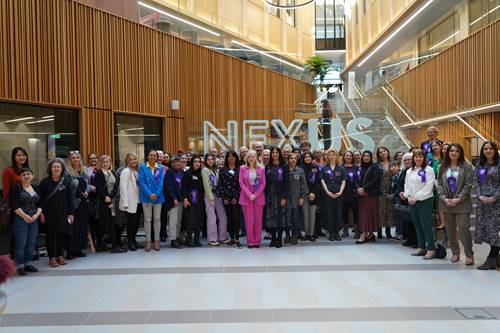
International Women's Day at WYCA
Alisha Hassan, Annabel Mason and Michael Oberreuter are the new co-chairs of the West Yorkshire Authority’s Gender Equality Group. The group was launched in 2020 during the pandemic and since then, it has grown to offer a range of services, host events and work with other employee networks to be a truly diverse and inclusive organisation that reflects the people it represents across West Yorkshire.
How did you get started when you took on the co-chair role?
Alisha: We are newly elected as co-chairs, so it has been a learning curve. We have had a lot of conversations with the founders of the group, which has been really helpful. During Covid, the group was set up as it was recognised those with increased childcare, home schooling and other caring responsibilities were potentially at a disadvantage. The group initially looked at flexible working policies and there have been a lot of achievements since then.
Annabel: We now have free period products in the restrooms – that’s just one of many things that has been achieved. The group is a space for people to push for change within the organisation, as well as being a space where people can spend time with people similar to themselves, a space where people can just exhale.
Michael: We had big shoes to fill when we took on the roles of co-chairs, but we have the support of executive sponsors in the leadership team, which is great. One of the first things we did was analyse the 2023 staff survey results to revisit the gender pay gap in the workplace, which had been a priority for the outgoing chairs. The Gender Equality Group has always been supported by male members. We try to be as comprehensive as possible. For men, big topics of discussion include making sure men can combine work with caring or parenting responsibilities and what that means from a gender perspective. In this context, we have to look at what disadvantages women might face in terms of career progression if they have children and how men can contribute more.
What sort of work is the group doing in terms of policy change?
Alisha: HR has asked us, along with the other Staff Network Group Chairs and colleagues, to review and comment on a variety of upcoming and existing policy documents. A lot of our members have expertise in a range of areas, so they are taking the time to look at these documents. The Gender Equality Group has already had a big impact with flexible working policies, which have become the norm since Covid.
Michael: We’re looking at draft policies related to a variety of issues, particularly domestic violence, which is a really important one, as well as making sure leave policies are created with a gender equality perspective.
Annabel: Looking at these policies through a gender lens makes them more robust.
Health and wellbeing is another priority for the group. What activities are you undertaking in this area?
Alisha: Everyone in the organisation has access to the Headspace mental health app and they can add family and friends to take advantage of the free support. We have employee assistance programmes and we are currently in conversation with HR who are organising a physical wellbeing event, along with the menopause support group. In particular, they are demonstrating how good physical health can have a positive impact on your mental health.
Annabel: Since we’ve been elected, we’ve been looking at our manifestos, which includes themes such as health and wellbeing. This is something we want to prioritise and one way of doing this is by incorporating more creativity into the group. We are looking to find more informal ways to get together, such as lunchtime get-togethers where people can support each other and provide opportunities for people who are interested in gender equality to get together.
Michael: We trained mental health first aiders to support colleagues, and provide an employee stress risk assessment that people can do with their line manager. Mental health and how people are coping with stress is a priority for the Combined Authority which is very positive. We have colleagues who participate in Movember to raise awareness about men’s mental health issues and some male colleagues have had the courage to share their mental health stories on the intranet, helping to reduce stigma. And mental health charities, such as Platform 1, have given presentations to staff on issues like male suicide.
Does the group work with organisations outside the West Yorkshire Combined Authority?
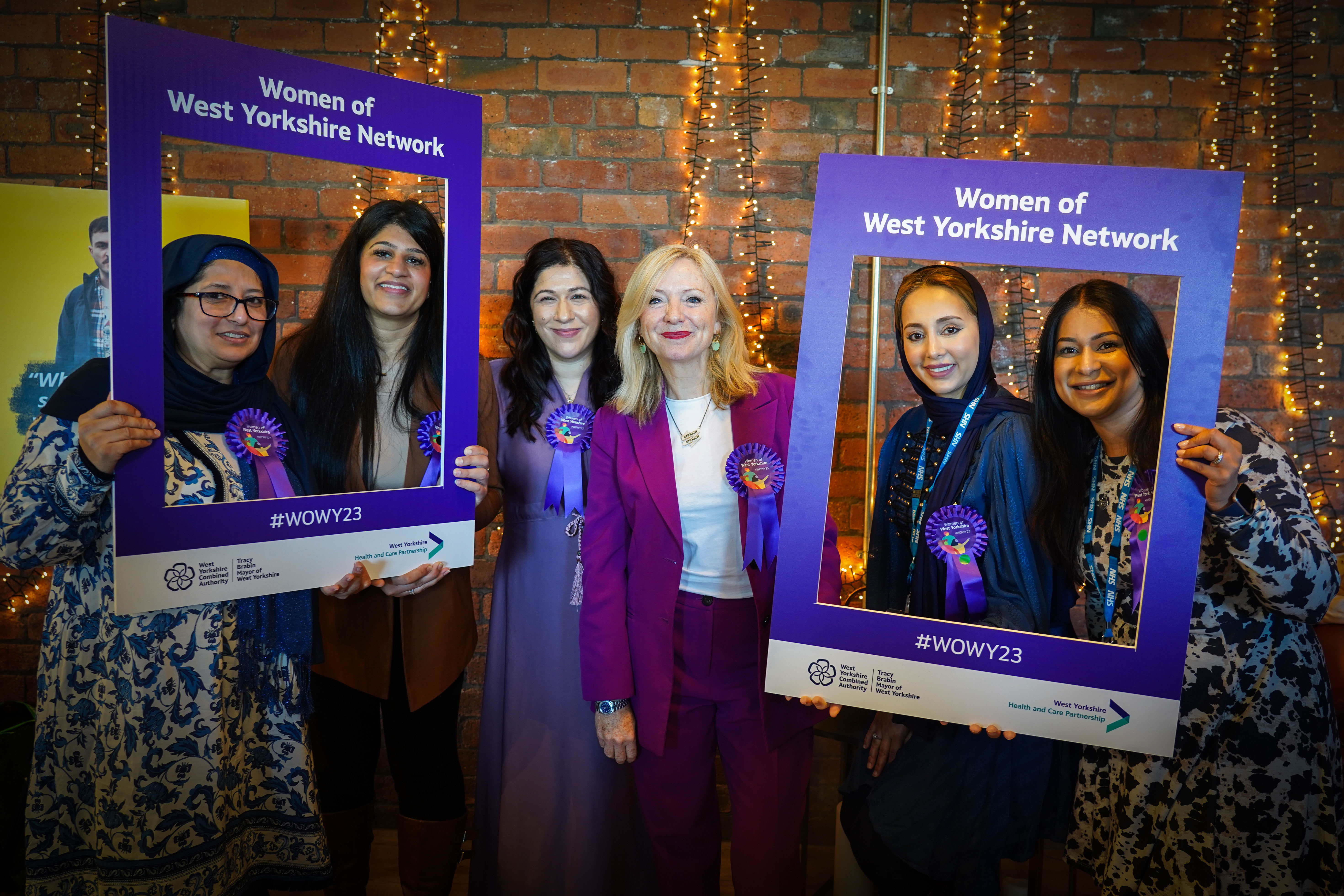
Annabel: Yes, when we were first elected, it was International Women’s Week, so Alisha and I went to the Women of West Yorkshire event in Leeds. It was really inspirational. There were talks on young women’s mental health, women’s physical health, and violence against women and girls. I’d never been to an event like that before. You felt like you were being advocated for and you could advocate for yourself and other women in the room.
Alisha: We are organising a donation drive to provide interview appropriate clothing to an organisation called Smartworks. Smartwork supports women from a range of different backgrounds and age groups back into employment by providing coaching and clothing so they feel more confident and start believing in their own ability to succeed.
How important is it to work with different networks across the organisation?
Alisha: Very important. We are using some of our budget from last year to help train menopause champions, through Henpicked. We signpost colleagues to the Menopause Support Group to enable colleagues experiencing the menopause to make informed choices. We aim to raise awareness of these champions in the organisation.
Michael: The Gender Equality Group is for everyone and we want it to be driven by our members and other colleagues. Together with other staff network groups, we plan to promote supporting all staff and career progression with things like helping with interview preparation and improving how we give people feedback with a holistic approach. Another priority for me is to continue to highlight the issues faced by men and boys. I believe the authority can really be a trailblazer for gender equality.
Annabel: We plan events across all the network groups. There is an interfaith celebration coming up, led by the Embrace network and all the other groups are supporting it – that will be an opportunity to share culture and food from diverse groups across the organisation. We’re looking forward to chatting with everyone and sharing treats.
So, intersectionality is part of everything you do?
Annabel: Yes, it means all our groups and networks can work together – we want to be representative of West Yorkshire, the place we serve. Our work with WeCan, Youth Employee Network, Proud@WYCA and Embrace is really important. It’s all about being able to deliver for our people within the organisation and beyond.

VERCIDA works with over one hundred clients who are committed to creating an inclusive work environment. If you are an employer and interested in working with VERCIDA to promote your culture and inclusion initiatives and attract the best candidates, please email [email protected] for more information.
 Help us find the best workplace for you by sharing more about yourself.
We will never disclose your information with others.
Help us find the best workplace for you by sharing more about yourself.
We will never disclose your information with others.