

Gender Equality in STEM: David Hodges' Research and Thales' Strategic Approach
Category: Gender (Equality & Identity)

Created for Thales by VERCIDA
David Hodges talks about how a research project is informing Thales’ approach to gender equality and empowering women in STEM.
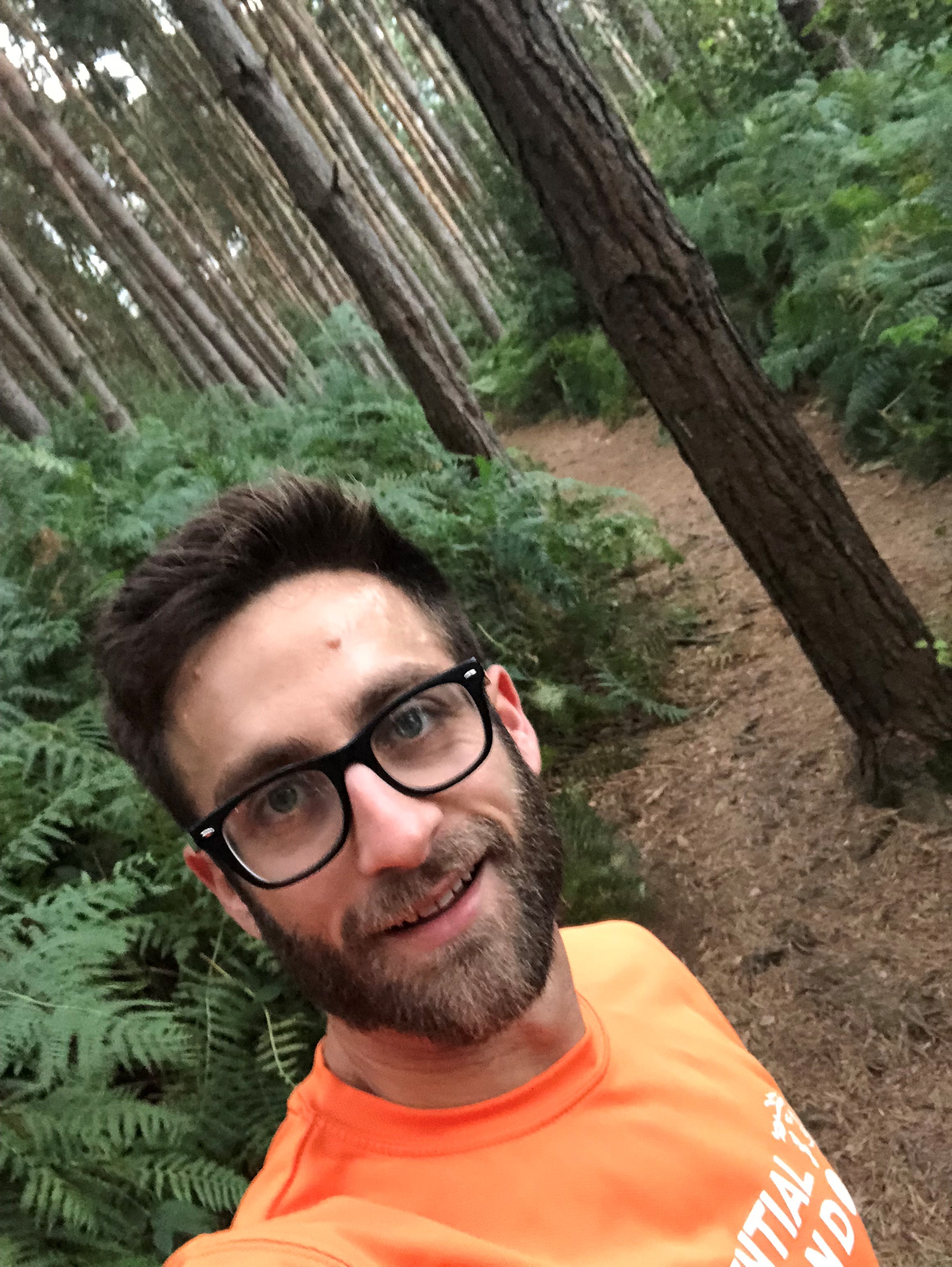
People might be wondering how a white, cis male in the south-east of the UK started researching gender bias. It probably came about originally from my early life. I was raised by a single mother, with all the struggles and challenges that comes with that, so I always had an interest in levelling the uphill battles faced by women.
At Thales, I am a Strategic HR Business Partner, which means I am part of a central HR consulting team and we work on all sorts of major UK-wide programmes. I’ve been with the company for 10 years and moved around every two or three years with different challenges and ideas, often totally organically. My current role is very broad. We are working out how to meet big ED&I and development challenges, as well as tactical day-to-day things, like making sure everyone gets paid.
The gender bias research project was for my MSc dissertation, with the specific research looking at the effect of what we call ancillary pieces of clothing. An example of this is a white coat for doctors, but for my project, I looked at the orange lanyards that the specialists and experts wear at Thales. Just as a doctor wearing a white coat might be seen as more authoritative than one who’s just wearing their regular clothes, even if they’re in a setting where there’s no need to wear the coat, we looked at how people at Thales were perceived if they were wearing the orange lanyard – and whether there were any differences between the perception of men and women.
Gender can have an impact on perception. Just as a female doctor in a white coat may be perceived as less authoritative than a male doctor not wearing a white coat, I found that gender acts as a moderator on first impressions depending on whether or not someone is wearing an orange lanyard.
We asked staff to rate individuals with and without the lanyards on six scales – intelligence, trustworthiness, responsibility, authority, organisation and confidence – and the findings were very interesting. The orange lanyard boosted first impressions for males and females, but because of the lower starting point for females in ratings for authority and confidence, a female wearing an orange lanyard was still perceived as less authoritative and confident as a male not wearing the lanyard. Interestingly, female and male raters were equally punishing towards females.
The research has made us rethink our gender bias training at Thales. But we need to look deeper. Sometimes it’s our environments that invite us to be biased. I grew up with a female as my main caregiver, so I tend to view women as more trustworthy. Females can be perceived as less confident – and there’s a high correlation between perceptions of confidence and competence – so that can hold women back. But we need to look at whether we disproportionately reward confidence.
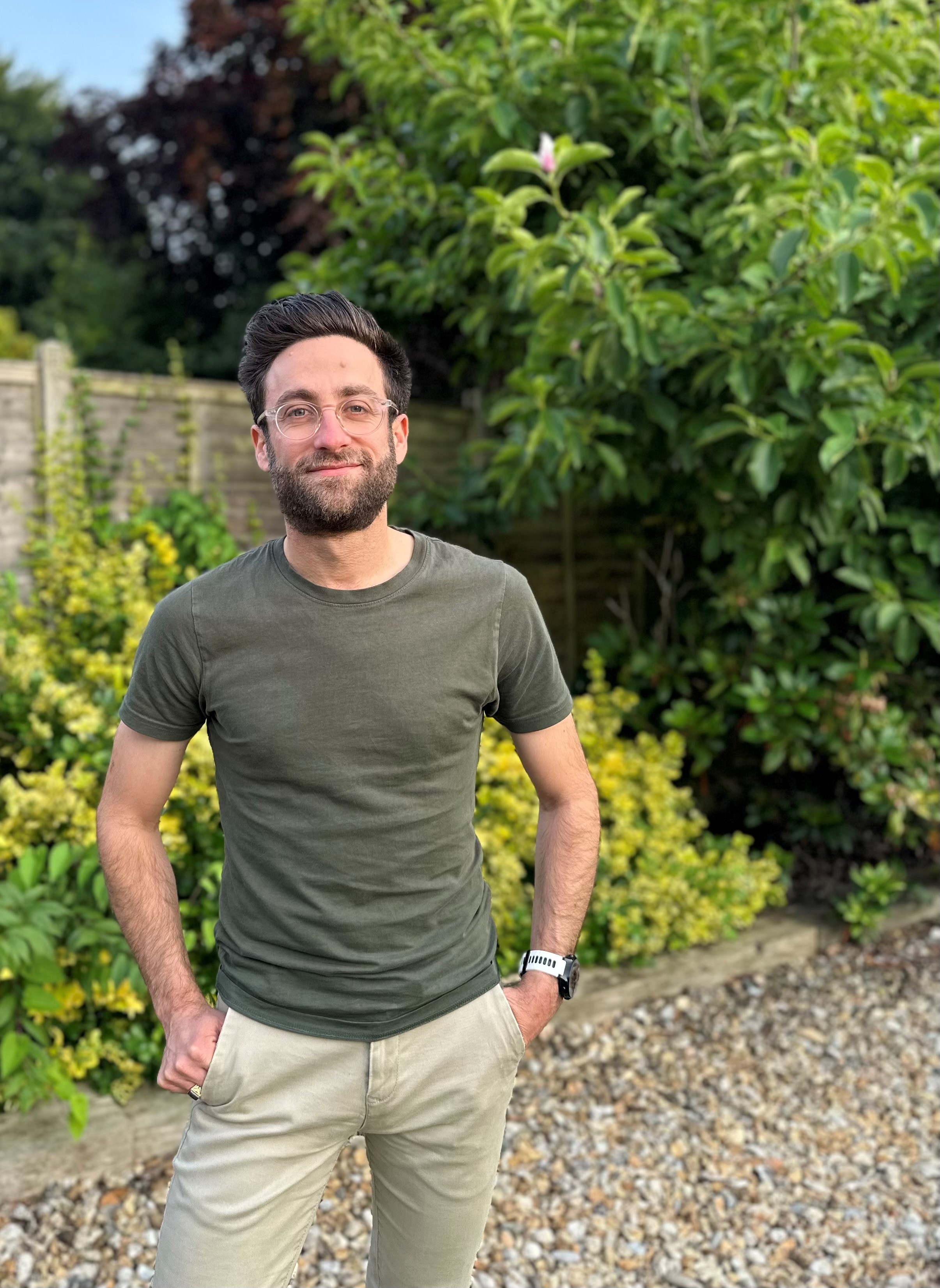
First impressions of low confidence can impact things like interview scores, which can stop women from even getting jobs in the first place. And it can work in different ways. Women can benefit from being seen as more communal, while this can be seen as a negative for men. As a man working in HR, I might be perceived as “soft”, but not in a positive way. Equally, women who are described as “bossy” can be seen negatively, which is not necessarily the case for men.
It’s still early days, but this research is helping us better meet organisational challenges and improve our selection and interview processes. It even makes us look at the way we use the orange lanyards. If it makes people perceive someone as authoritative that can reduce psychological safety and inhibit more junior members challenging ideas, or those wearing orange lanyards, in meetings where we want everyone to be free to share ideas. And if someone is taken more seriously with the lanyard on, that can be useful if they are giving important safety advice that may make a process longer, but needs to be followed. A female may choose to wear her orange lanyard even when it is not functionally required to boost initial perceptions of authoritativeness and confidence, therefore increasing the likelihood of her advice being acted upon.
Thales is actively working on making talent management more equitable. We’re focusing on increasing female representation in leadership development programs, while ensuring all voices are heard, regardless of gender. Intersectionality is important too – we recognise that people have intersecting identities, with gender, neurodiversity and ethnicity being among the different factors where we need to address bias.
New research allows us to target specific areas for improvement, focusing on critical moments in everyone’s talent management journey. We are exploring how we can shift development earlier on in females’ careers to close the gap caused by lower perceptions of confidence and authoritativeness, rather than wait for them to become leaders. This is in addition to how we reduce bias in the first place. It’s an exciting time and we’re looking forward to becoming an even more diverse and inclusive organisation.
Find out more about working at Thales
Explore current vacancies at Thales

VERCIDA works with over one hundred clients who are committed to creating an inclusive work environment. If you are an employer and interested in working with VERCIDA to promote your culture and inclusion initiatives and attract the best candidates, please email [email protected] for more information.
 Help us find the best workplace for you by sharing more about yourself.
We will never disclose your information with others.
Help us find the best workplace for you by sharing more about yourself.
We will never disclose your information with others.
Learn more about this employer
Thales
Inclusive features
- No matching inclusive features