

Empowering women at Bromford: a celebration of growth and leadership
Category: Gender (Equality & Identity)

International Women’s Day is a time to celebrate the incredible achievements of women around the world. Every year on Saturday 8 March, we honour the strength, courage, and determination of women who have made a difference in our lives and communities.
Today we celebrate the inspiring journeys of four remarkable women at Bromford who have embraced career growth, challenged self-doubt, and stepped into leadership through the Female Career Accelerator Programme. Their stories are a testament to the power of confidence, mentorship, and peer support in shaping the future of women in leadership.
Kerry Castello: from self-doubt to leadership aspirations
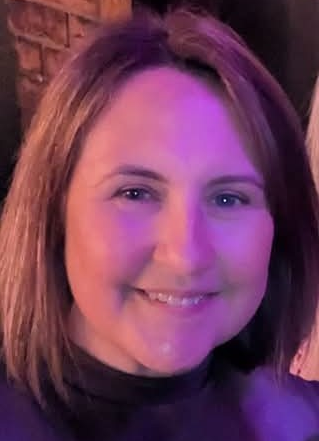
For Kerry, the programme was a game-changer. As a subject matter expert and co-ordinator in the existing homes team, she realised that she had become too comfortable in her role. Through the accelerator, Kerry built her "confidence muscle" and embraced the 80/20 rule - understanding that she didn’t need 100% of the skills to pursue new opportunities.
Stepping outside her comfort zone, Kerry applied for a secondment in the legal property team and later took on a leadership role for six months. She completed the Essential Leadership Academy (ELLA) course and now has her sights set on a formal leadership position by 2026. More importantly, Kerry now sees herself as a role model, inspiring others to challenge self-doubt and embrace growth.
Read Kerry's story
I was feeling stuck. Like I was going through the motions, but not really growing. My career had plateaued, and I knew I needed a change. That’s what led me to the Female Career Accelerator Programme. The timing was perfect. I was a working mum transitioning back to full-time work, and I felt like I needed a boost, something to help me rediscover my focus and drive.
The programme was transformative, especially when it came to my confidence. I think I described it as growing my "confidence muscle." It helped me shift my perspective, focusing on what I can do, rather than constantly being overly critical of myself. I learned to apply the 80/20 rule to my thinking, accepting that I don’t need to be 100% skilled before stepping into a new role. That was a big shift for me.
The peer learning and support were invaluable. Hearing other women's stories, their challenges and triumphs, gave me so much energy and motivation. The group coaching environment was a safe space to share my own experiences and concerns without judgment. Being in an all-female cohort was particularly powerful. There was a real sense of shared experience and encouragement. We were all in it together.
The programme also gave me a new perspective on my career. It made me realise I’d become too comfortable in my current role. It encouraged me to step outside my usual responsibilities and seek new challenges. I actually applied for a secondment in the Legal Property team, something I never would have considered before the course. I wouldn't have had the confidence.
Overcoming my fear of failure was another huge benefit. I realised that making mistakes is a natural part of learning and professional growth. It's okay to not have all the answers. It's okay to take risks. I became much more open to stepping into unfamiliar roles, even if they felt a little scary.
The programme also sparked an interest in leadership. It helped me see leadership as a viable career path, something I hadn’t really considered before. Collaboration became a key theme for me. I’m working much more closely with others now, building stronger networks and support systems. It made me realise that women often thrive in team environments, rather than working in isolation.
Since completing the programme, my career has really taken off. I took that secondment in a new team, and I even stepped into a leadership role for six months! That was a huge step for me. It broadened my skills and gave me exposure to different areas of the business. I also completed the Essential Leadership Academy (ELLA) course, which has further enhanced my leadership potential.
Looking ahead, my goal is to be in a formal leadership position by Christmas 2026, maybe as a team leader to start, and then work my way up to more prominent leadership roles. I'm also exploring qualifications to formalise my knowledge and support my career growth. I want to be the best leader I can be.
The programme resonated deeply with me, especially as a working mum transitioning back to full-time work. Having an external provider like Albright was so beneficial. They brought a fresh perspective, outside of my company’s internal culture. The peer coaching and group sessions were among the most valuable aspects of the programme. I learned so much from the other women.
If I could suggest any improvements, I’d be interested in hearing how other participants at different career levels benefited from the course, especially those already in leadership roles. And I think it’s crucial to continue sponsoring this type of programme, especially to support women navigating career growth after family-related career breaks. It makes such a difference.
Thinking about role models, I didn’t actively see myself as one before the programme. But the course helped me realise that my experiences, especially my journey of building confidence, could inspire others. I learned to acknowledge my strengths and abilities, the things that other people had seen in me all along, but I had often downplayed.
Having female leaders and a supportive peer network has been essential for building my confidence. The peer coaching and group discussions were so valuable. Seeing how other women navigated career challenges and used those learnings to develop themselves was incredibly empowering. It made me realise I could do it too.
The programme also made me much more aware of the gender imbalance in senior leadership roles. Seeing women in leadership who have faced similar challenges is inspiring. The all-female environment of the accelerator programme reinforced the importance of having visible female leaders and mentors. We need more women at the top.
Self-doubt used to hold me back from applying for leadership roles. But now, I’ve actually stepped into a leadership role, and I’m actively pursuing qualifications and training to go further. I’m also more confident mentoring and supporting others. I realise my own journey can help other women facing similar career uncertainties.
I think women often underestimate their own value. Seeing other role models helps break that mindset. I believe every woman who overcomes career doubts and pushes for growth is a role model in her own way. I encourage more women to actively seek leadership opportunities, support one another, and challenge those self-limiting beliefs. We’re stronger together.
I also think role models in the workplace often don’t recognise their own impact. We need to highlight and celebrate women who inspire and support others, and make sure their contributions to leadership and team development are acknowledged. It’s important to recognise and appreciate the women who are making a difference.
The programme came at the perfect time for me. It was the catalyst I needed to step outside my comfort zone. I’ve really embraced learning and even participated in an internal career progression course after completing the accelerator. I think Bromford’s commitment to gender equality and career acceleration is crucial, particularly in addressing barriers to progression for women who take career breaks. It’s so important to have these opportunities available. It makes a real difference.
Jane Hinds: redefining career success
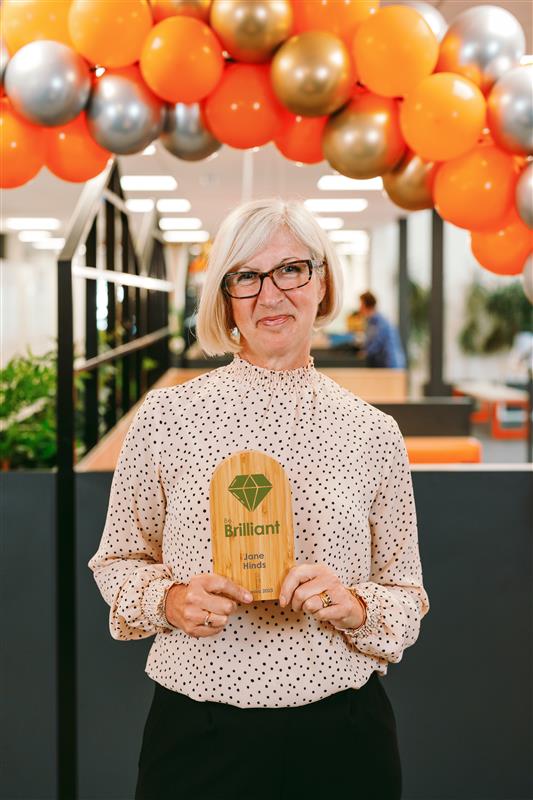
For Jane, the programme came at a pivotal moment. Approaching the later stages of her career, she sought a confidence boost after experiencing personal loss and career setbacks. Through the training, Jane reframed rejection as a learning opportunity and successfully secured an operations manager role, where she boosted team efficiency by 45%.
Beyond her personal success, Jane’s impact as a mentor has been profound. Under her guidance, four of her six central team members have moved into leadership roles. Initially hesitant to see herself as a role model, Jane now recognises the influence she has on others and advocates for greater recognition of female leaders within Bromford.
Read Jane's story
I was at a point in my career where I felt like it was now or never. It wasn't just about my career, though. I'd recently experienced a personal bereavement, and my confidence had taken a knock. I needed a boost, a sense of direction. That's what led me to the Female Career Accelerator Programme. I was looking for guidance, particularly with my CV and interview skills, and a way to rediscover my confidence.
The programme was transformative. It helped me recognise my own strengths and capabilities, things I hadn't acknowledged in myself. It shifted my mindset from self-doubt to self-belief. I learned that other people saw strengths in me that I hadn't even seen myself. That was a real eye-opener.
Before the programme, I'd faced some job rejections, which had really affected my confidence. The training helped me reframe those setbacks as learning experiences, as opportunities to grow. And the best part? After the course, I applied for a new managerial role and I got it! It's given me a much bigger platform to use my skills and make a real difference.
There were a couple of key learning moments that really stand out. One of the most significant exercises was listing what I didn't want in a job. It sounds simple, but it was incredibly clarifying. It helped me pinpoint what I did want, what truly mattered to me. Another major learning experience was "Present Your Value." That helped me refine my professional profile and, crucially, my LinkedIn presence. I realised how important it is to showcase your skills and experience effectively.
My career progression since the programme has been interesting. I initially applied for a Head of Role position and didn't get it. But that wasn't the end of the story. I then successfully secured an Operations Manager role, which has actually been a much better fit. It's allowed me to apply my skills in a more fulfilling way. And over time, my expertise in performance improvement has helped boost the team’s efficiency by a remarkable 45%. I'm really proud of that.
My priorities have definitely shifted. I'm not just chasing promotions anymore. Now, I selectively choose roles that align with what I enjoy, where I feel respected, and where I know I can contribute effectively. Meaningful work is what drives me now.
I've also become a subject matter expert, and I'm widely recognised across the business for my expertise. Something I never expected is that I've become a mentor, developing multiple leaders within my team. Some of them have gone on to achieve significant career growth, which is incredibly rewarding to see.
Thinking about role models, I didn't initially see myself as one. But through reflection and feedback from colleagues, I've come to realise the influence I have on others. It's quite humbling.
When I was first asked if I was a role model, I was unsure. But when I looked back at my career, I realised that colleagues do look up to me and value my leadership and guidance. It's not something I consciously aimed for, but it's a responsibility I take seriously.
I've dedicated a lot of time to mentoring and developing my team members, helping them move into leadership roles. Out of the six leaders in my central team, four were developed directly under my guidance. That's something I'm incredibly proud of. One of my former mentees has since left the organisation and is thriving in her career. She still reaches out to me regularly to express her gratitude for the support and lessons I provided. That's the best feeling.
I've learned a lot from different leadership styles throughout my career. One former manager was incredibly creative and inspirational, bringing a real "spark of magic" to teams. Another was highly structured but eventually burned out, which taught me the importance of balance and avoiding excessive self-sacrifice in leadership. Those experiences have shaped my belief that good leadership is about balance – being strategic, supportive, and self-aware.
I believe in leading by example. I always follow through on my commitments. I think that's essential for a good leader and role model. I'd describe myself as loyal, conscientious, and deeply invested in my work and my team. And I actively share my knowledge across different teams, making sure that my expertise is passed on to others rather than being kept to myself.
I think Bromford has many great role models, but they aren’t always recognised or even aware of their influence. I think the organisation should do more to identify and highlight them, so their behaviours and leadership styles can be celebrated and shared with others.
My key takeaway on role modelling is that it's about developing people and leading by example. It's about making a difference in the lives and careers of others. I'd love to see Bromford actively recognise and showcase role models, inspiring more employees to aspire to leadership.
The Female Career Accelerator Programme is now a permanent fixture on my CV. It shows my commitment to continuous professional development and investing in myself. It was a catalyst for change, and I'm so grateful for the experience. Going forward, I want to continue to use my expertise and work in a role where I feel appreciated and valued, rather than just climbing the corporate ladder. It's about making a difference, not just achieving a title.
Lisa Simpson: embracing change and mentorship
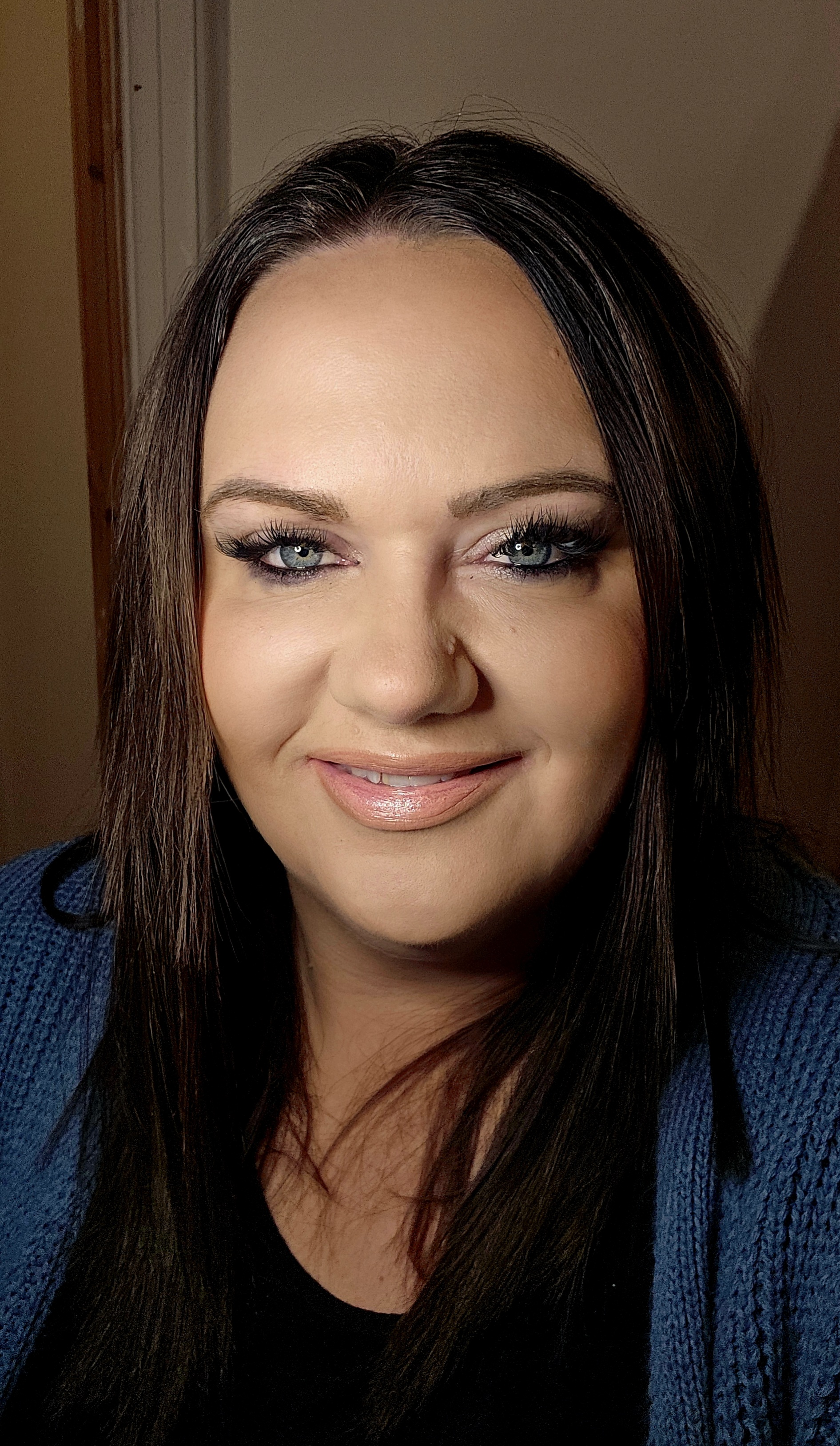
After eight years in the same role, Lisa was at a crossroads. The Female Career Accelerator Programme provided the push she needed to regain motivation and explore new opportunities. It helped her recognise that she had mentally limited herself, assuming she had plateaued when, in reality, she had more to offer.
Lisa looked into several other role opportunities and managed to secure a six-month secondment as a project manager to bridge the gap between operational and strategic leadership. Lisa has become a mentor to younger colleagues, passing on the invaluable guidance she once received. Her journey highlights that being a role model isn’t about seniority but about influence and support.
Read Lisa's story
For eight years, I felt stuck. My role was comfortable, familiar, but it lacked the spark I craved. I was at a crossroads, unsure whether to stay in housing, a field I knew well, or explore entirely different career paths. Something needed to change. That’s what drew me to the Female Career Accelerator Programme. The fact that it was external was a big plus. I was hoping for exposure to different industries, fresh perspectives, something to shake me out of my rut. The timing felt right, too. I wanted to progress but was also dealing with a bereavement and feeling the weight of workplace transformation. Everything felt like it was converging at once.
The programme's impact was immediate. The very first session was a turning point. It was like a lightbulb went off. It reinforced my self-worth and made me realise that I am capable and valuable. It helped me see that I'd been mentally limiting myself, believing I'd plateaued when I actually had so much more to offer. I had been playing small, not even realising it. The programme gave me the push I needed to stop doubting myself and start applying for roles I previously thought were out of reach.
One of the most impactful exercises was reflecting on my own achievements and truly understanding my professional worth. It sounds simple, but it was profound. I became much more strategic in how I viewed my career progression. I wasn't just drifting anymore. The programme also introduced me to resilience-building techniques, which have been incredibly valuable as I navigate difficult situations with customers and internal challenges. Learning how to navigate tough conversations – not just with colleagues, but also with customers – was a key takeaway. I feel much more equipped to handle those tricky situations now.
Since the programme, my career has taken some interesting turns. I looked into several other role opportunities, but I realised that to transition from an operational role to a strategic leadership role, I needed more exposure to strategic thinking. So, I did something I wouldn't have done before: I secured a mentor, Victoria King-Lowe. She’s been invaluable in helping me bridge that gap. I've also taken on a six-month secondment as a project manager, which is giving me a different kind of experience beyond just managing a team. It’s stretching me in new ways. I've definitely improved my ability to articulate strategy, which was reflected in my second interview where I got much better feedback. I can see the progress I'm making.
The peer group aspect of the programme was incredibly beneficial. It was so helpful to connect with other women facing similar challenges. I formed a great connection with another participant from Battersea Dogs Home who was in a similar situation. It was comforting to know I wasn't alone. The safe space of the programme allowed me to have open conversations and realise I wasn't alone in my struggles. We supported each other, shared our experiences, and celebrated each other's wins.
The virtual format of the programme was effective, but it did require self-discipline to engage fully. It was easy to get distracted, but I knew I needed to commit to get the most out of it. The coaching approach, including somatic coaching, was unique and encouraged mindfulness and stress management. I learned techniques I still use today. And the structured reflection exercises really helped me regain focus and motivation. They gave me a framework for thinking about my career in a more structured way.
If I could change anything, I think an in-person format would have been even more impactful for deeper discussions and relationship-building. While the virtual format worked, there's something about being in the same room with people that creates a different level of connection. The programme also felt too short. I would have liked a longer duration or some follow-up sessions to maintain momentum. It would have been helpful to have some ongoing support.
My advice for future participants is simple: Go in with an open mind – don't dismiss anything as not relevant too soon. Engage fully – participation is key to getting the most out of the programme. Use the peer groups outside the sessions – staying in touch with fellow participants really enhances the learning experience. And commit to the exercises – the self-reflection and "homework" tasks are essential for personal and professional growth. You get out what you put in.
Thinking about role models, I wasn't sure if I had one at first. But after some reflection, I realised there were key figures who had influenced my career. Wendy Stevens, a former Bromford leader, was a mentor and guiding figure when I started at Bromford at 19. She gave me tough but valuable feedback, telling me I had potential but needed to "up my game." It wasn't always easy to hear, but it was exactly what I needed. I've actually found myself passing on similar advice to younger colleagues, which made me realise how impactful that conversation had been for me. Then there's Victoria King-Lowe, my current mentor and a Director at Bromford. I proactively sought her out because I saw how quickly she'd progressed into a director role. I wanted to learn from her career path and gain the skills I need to transition from operational to strategic leadership. She’s been an incredible source of support and guidance.
Bromford has a supportive culture, and I see strong leadership behaviours in many people. But I also think that role models within the organisation aren't always recognised enough, and we could definitely do more to identify and celebrate them. It’s important to acknowledge and appreciate the people who are inspiring others.
Do I see myself as a role model now? I hesitated at first, but I do recognise that I am a role model for younger colleagues. My former team still comes to me for advice, even though I've moved into a new role. That means a lot to me. I want to be someone who supports and mentors others, making sure that newer team members feel encouraged and confident in their careers. I want to pay it forward, just like Wendy and Victoria did for me.
My key takeaway on role modelling is that it isn't just about your title or seniority – it's about your behaviour, the support you offer, and the influence you have. It's about being someone others can look up to and learn from. I believe that mentorship is crucial for women transitioning into leadership roles, and that organisations should do more to highlight and nurture role models. It’s vital for creating a pipeline of future female leaders. The Female Career Accelerator Programme helped me see my potential and gave me the tools to pursue it.
Marique Bailey: overcoming self-doubt and stepping into leadership
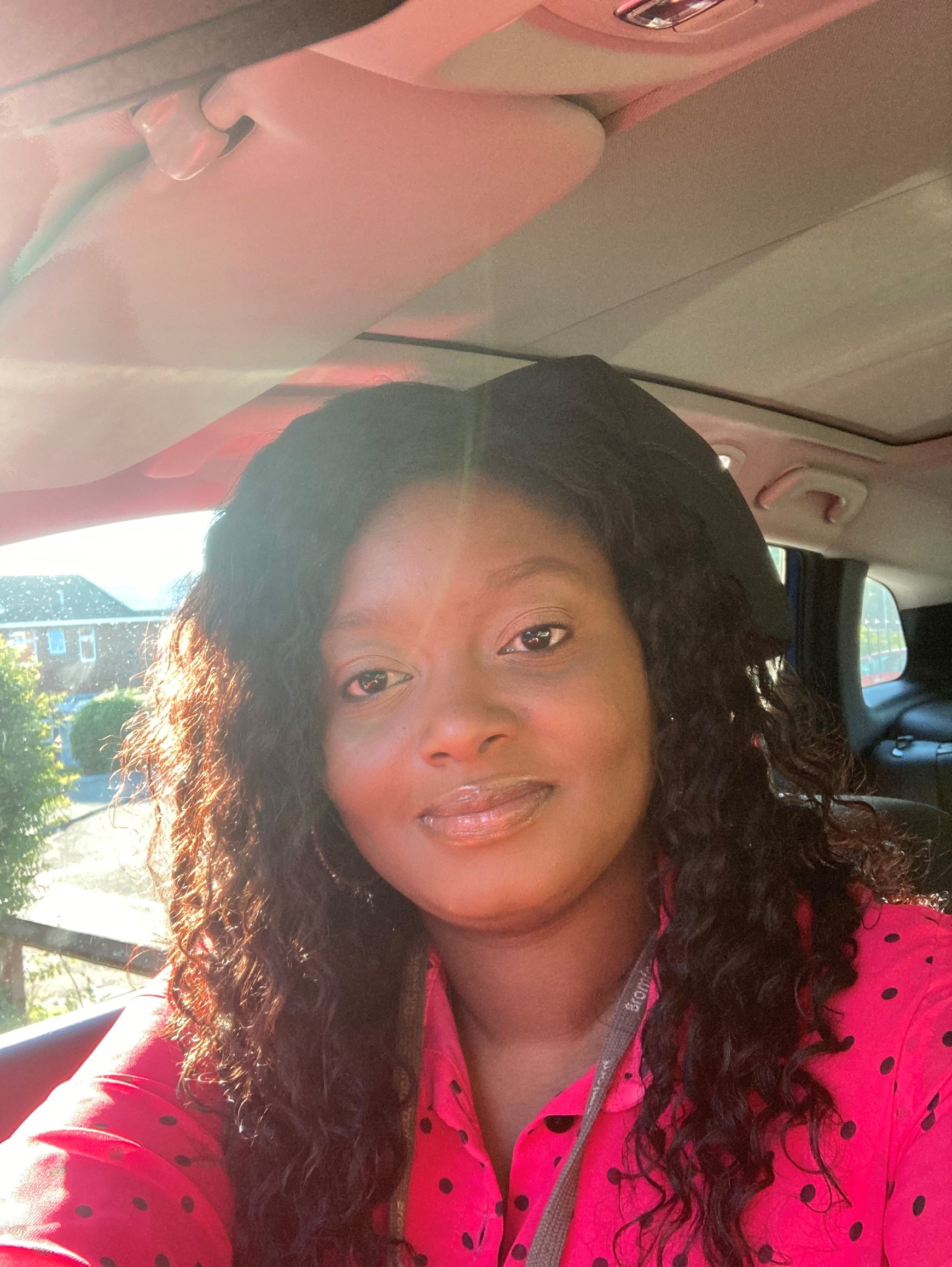
Marique joined the programme uncertain of her career direction. She quickly realised that many women share the same doubts about their skills and potential. The peer support network reassured her that she wasn’t alone, and the programme’s exercises, especially those focused on resilience and letting go of limiting beliefs, transformed her confidence.
While still in the programme, Marique was offered a leadership role as people services manager, an opportunity she may not have pursued otherwise. She now actively embraces challenges, mentors others, and fosters a learning environment for her team. Moving forward, Marique is committed to saying yes to more opportunities, rather than letting self-doubt hold her back.
Read Marique's story
My career journey felt like a winding road with no clear destination. I was at a crossroads, unsure of my next steps, and the idea of leadership felt more daunting than desirable. Was it even the right path for me? I craved clarity, a sense of direction, and a deeper understanding of my own motivations. That's what drew me to the Female Career Accelerator Programme. The all-female environment felt like a haven, a safe space where I could explore these questions openly and honestly.
One of the most profound realisations I had during the programme was that I wasn't alone in my doubts and struggles. It was a shock, honestly, to discover that so many other women felt the same uncertainties about their careers. That realisation, in itself, was incredibly reassuring. It normalised my experience and helped me understand that women often underestimate their own skills and knowledge. Self-doubt, I learned, is a common but unnecessary barrier.
Ironically, while I was still participating in the programme, a leadership opportunity presented itself. I was offered the role of people services manager – a chance I likely would have passed up without the course. But something had shifted within me. The peer support and encouragement from the other women in the group gave me the courage to see things differently. I realised I didn't have to be perfect. I had the capacity to learn, to grow, and to rise to the challenge. Now, I actively embrace feedback and push myself to take on new opportunities, instead of letting hesitation hold me back.
The programme provided me with so much more than just confidence. It gave me practical tools and skills that have become invaluable. The importance of peer support, for example, cannot be overstated. Being surrounded by other women facing similar career challenges was incredibly motivating and reassuring. I also discovered the power of mindfulness and breathing techniques. I was initially sceptical, but I now use meditation and breathing exercises regularly to reset my mindset and manage stress. There was one exercise, where we wrote down our limiting beliefs and then physically let them go, that was particularly impactful. It was an emotional and transformational experience. I also learned about the power of language and how our self-perception and the way we talk about ourselves can influence our confidence. Framing our skills positively, I discovered, is key to growth. Journaling and self-reflection also became important tools for me. Looking at role models and reflecting on their career journeys helped me understand that success isn't linear. Everyone faces setbacks, but it's resilience that leads to progress.
Before the programme, I wouldn't have considered myself a role model. But afterwards, I began to see my influence on others. I think of leaders like Helen Swinnerton, Nicola Thomas, and Fiona Regan – women who demonstrate authenticity, bravery, and resilience. They inspire me. The programme helped me lean into my own leadership strengths, accept that perfection is an illusion, and use my insights-driven approach to positively impact my team. Now, I'm committed to mentoring others and creating safe spaces for learning and career development.
The impact of the programme hasn't stopped there. I've continued to be part of the Albright community, connecting with women from around the world through networking, coaching, and peer learning. I've also become more active on LinkedIn, recognising its value for professional growth. Looking forward, my goal is to say yes to more opportunities without the hesitation of self-doubt. I'm embracing the idea of continuous learning, evolving with my environment, and staying adaptable as a leader.
If I could offer any advice to future participants, it would be this: Just do it! Even if you think it's not for you, you will take something valuable away from this programme. Go in with an open mind, engage fully in the process, and lean into the peer support. The relationships you build during the course can last a lifetime. And most importantly, challenge yourself to step outside your comfort zone. Self-doubt shouldn't hold anyone back from career growth and leadership opportunities. This programme helped me discover my potential and step into leadership with confidence and purpose.
Celebrating women and role models
These four incredible women remind us that career progression isn’t just about climbing the corporate ladder - it’s about confidence, resilience, and the willingness to step into the unknown. Their journeys demonstrate the importance of peer support, mentorship, and self-belief in achieving professional success.
As we celebrate International Women’s Day, let’s continue to recognise and uplift the women who inspire, support, and lead by example. Every woman who pushes through self-doubt and reaches back to help others along the way is a role model in her own right. Let’s ensure their contributions are seen, valued, and celebrated.

VERCIDA works with over one hundred clients who are committed to creating an inclusive work environment. If you are an employer and interested in working with VERCIDA to promote your culture and inclusion initiatives and attract the best candidates, please email [email protected] for more information.
 Help us find the best workplace for you by sharing more about yourself.
We will never disclose your information with others.
Help us find the best workplace for you by sharing more about yourself.
We will never disclose your information with others.