

More Than a Phase: Understanding and Combating Bisexual Erasure
Category: LGBTQIA+ (Sexual Orientation)

I knew from a young age that I was attracted to female-presenting people. But back then, those feelings were dismissed and brushed off as a phase, an infatuation, or just admiration for a friend. As I grew older, I tried to suppress what I felt, pushing it deep down in hopes of avoiding confusion or judgement.
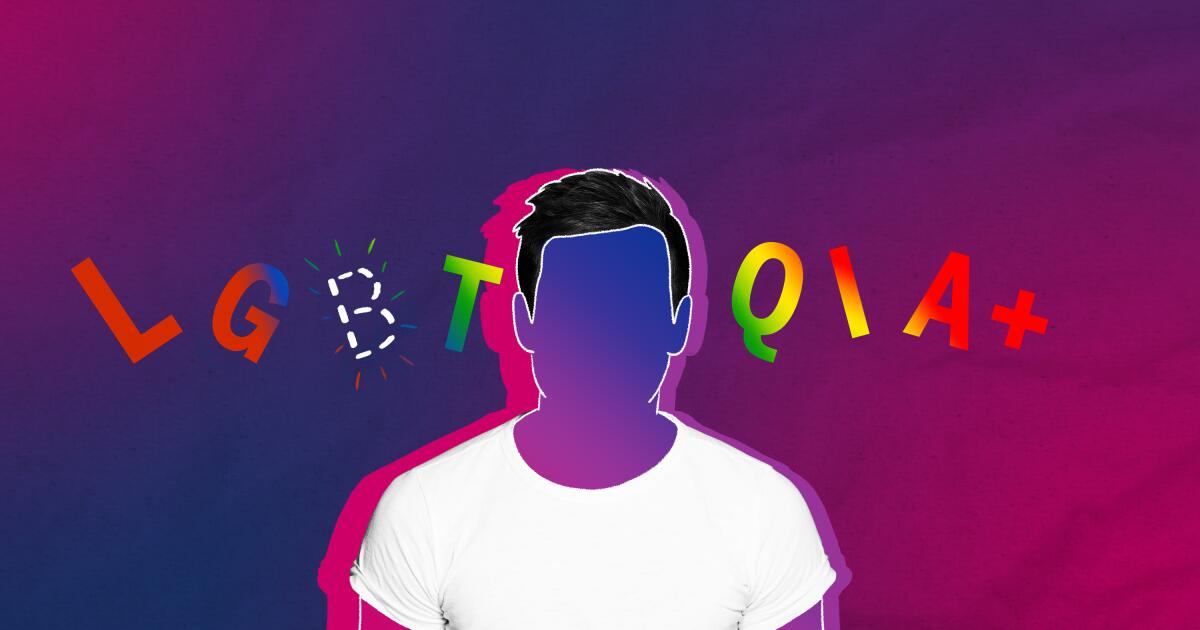
It wasn’t until adulthood that I finally felt ready to live as my authentic self, but with that came challenges I hadn’t anticipated. I expected some form of discrimination, as many LGBTQ+ individuals do. What I didn’t expect was to feel invalidated – not just by the world around me, but from within the very community I thought would embrace me.
Though I’ve dated women, my long-term relationships have been with men. Because of this, I’ve sometimes been made to feel like I don’t belong. As though my identity isn’t real. This is known as bisexual erasure.
What is Bisexual Erasure?
Bisexual erasure (or bi erasure) is the tendency to ignore, invalidate, or diminish the existence and legitimacy of bisexuality. It happens when people assume someone must be either heterosexual or gay, depending on the gender of their partner. It leaves little room for bisexual identities to be seen, let alone respected.
Common Forms of Bi Erasure
Media Representation
Bisexual characters are rarely named as such. Their identity is often erased depending on who they’re dating, or skipped entirely.
Stereotypes
Bisexual people are unfairly labelled as “greedy”, “indecisive”, “untrustworthy”, or “more likely to cheat”.
Exclusion from LGBTQIA+ spaces
Bi individuals can feel unwelcome, particularly if they’re in different-gender relationships, as if they’re somehow “less queer”.
Everyday Conversations
Comments like “you’re just confused” or “you’ll pick a side eventually” might seem casual, but they’re deeply invalidating.
Why is it Harmful?
Bi erasure is more than just frustrating – it can be harmful.
According to a study held by the NIH (2020), bisexual people experience higher rates of anxiety, depression, and suicidal ideation than both gay and straight individuals. This is largely due to a lack of visibility, community, and acceptance.
When your identity is constantly questioned or dismissed, it can lead to internalised biphobia, low self-worth, and a deep sense of not belonging. Even in relationships, many bisexual people feel their identity is erased, no matter who their partner is.
How Can You Support Bisexual People?
- Use the word bisexual when someone identifies that way – don’t make assumptions based on who they’re dating.
- Challenge stereotypes and call out biphobia when you hear it.
- Support bi visibility. Share stories, include bisexual voices, and uplift Bi Visibility Day (September 23rd).
- Listen. Believe bisexual people. Their identity is not dependent on their relationship status. It is real, valid, and worthy of respect.
Being bisexual means navigating a world that often tries to put you in one box or the other. But we don’t owe anyone proof of our identity. We exist between binaries, and that existence is powerful.
To anyone who feels unseen: You are not alone. You don’t need to justify who you are. Bisexuality is valid. You are valid. And you deserve to be recognised – not just for who you love, but for who you are.

VERCIDA works with over one hundred clients who are committed to creating an inclusive work environment. If you are an employer and interested in working with VERCIDA to promote your culture and inclusion initiatives and attract the best candidates, please email [email protected] for more information.
 Help us find the best workplace for you by sharing more about yourself.
We will never disclose your information with others.
Help us find the best workplace for you by sharing more about yourself.
We will never disclose your information with others.
Learn more about this employer
Defence Infrastructure Organisation
Inclusive features
- No matching inclusive features