

Breaking Barriers in the Ice: BAS's Commitment to Women and Non-Binary Staff
Category: Gender (Equality & Identity), Wellbeing (Financial/Mental/Physical)

Created by VERCIDA for British Antarctic Survey
The vast, icy expanse of Antarctica might seem like an unchanging frontier, but at the British Antarctic Survey (BAS), a quiet revolution is underway to ensure that this challenging environment is equitable and inclusive for everyone.
Through pioneering work on polar hygiene and broader diversity, equity, and inclusion (DEI) initiatives, BAS is not only supporting its current workforce but also shaping a more diverse future for polar science.
Breaking the Silence: The Polar Hygiene Working Group
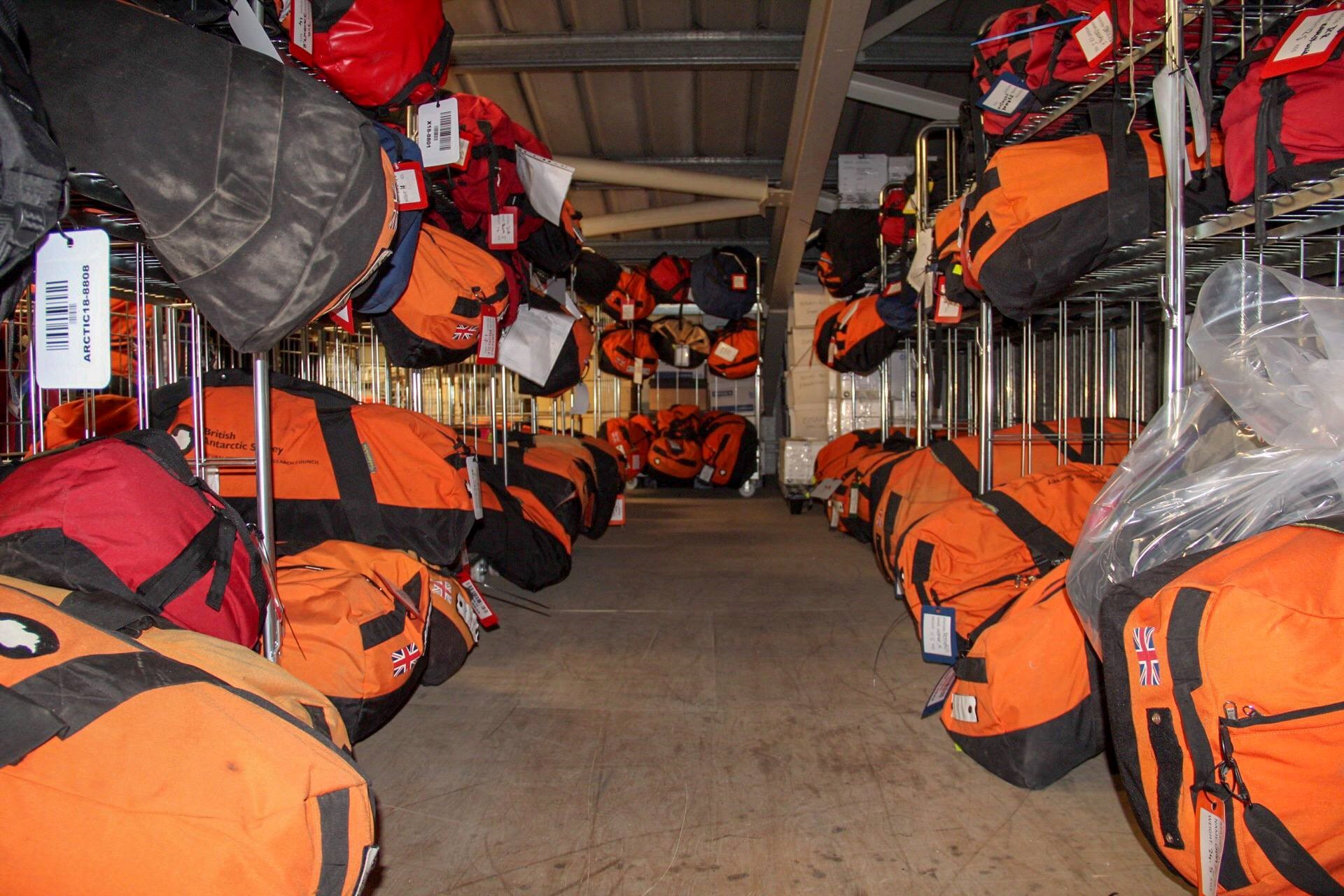
For years, managing personal hygiene, particularly menstruation and toileting, in the extreme Antarctic environment was often a solitary and unspoken challenge, especially for women and non-binary individuals. "The traditionally male-dominated environment made it a taboo subject, leading individuals to manage it alone, often involving extra mental labour for women," explains Alice Irvine, BAS Clothing Store Coordinator.
Recognising this critical gap, BAS established the Polar Hygiene Working Group about a year ago. Motivated by research and insights from their people, the group set out to provide practical solutions and foster open conversation. Aurelia Reichardt, Station Leader for Rothera Research Station, who helped initiate the group, highlights that while "fringe guidance existed, there was no centralised resource," and the aim was to "collect collective knowledge into a guidance document, aiming to reduce stigma and potential embarrassment when in the field."
Practical Strides and Tangible Support
The working group has made significant positive changes, directly impacting the daily lives of staff in the field and on stations:
- Waste Management Solutions: Alice Irvine detailed the implementation of "bags for storing waste period products, including smaller disposable bags," for use in the field where disposal options are limited. These are now issued in standard kit bags.
- Comprehensive Hygiene Guide: An updated, comprehensive hygiene guide is being produced, consolidating in the field experience and recommendations. This guide, reviewed annually to stay current with medical and practical guidance, covers toileting tips in cold conditions, pros and cons of various period products in remote environments, and instructions on waste disposal. It will be made available to all new starters, on the BAS website, and shared widely with the polar community through networks like the UK Polar Network and the Diversity in Polar Science Initiative (DiPSi).
- Kit Improvements: Additional standard kit items have been purchased, including pieces of kit to aid with urination" and products to manage periods more dignifiedly.
- Adapted Clothing: Efforts include adapting clothing to be more suitable for female staff, with future plans to consider the needs of individuals experiencing menopause, such as adaptable clothing with more zip options.
- On-Station Provisions: Nicole Logan-Park, GIS Asset Management Engineer, notes the positive change of "providing necessary hygiene items on station," alleviating the burden of travel restrictions on personal luggage for extended stays. They've also addressed impractical clothing like "boiler suits" for daily use.
Fostering a Culture of Openness and Awareness
Beyond the practical, a core aim has been to open conversations around previously sensitive subjects. "The really important thing that it's done is opened up a conversation around menstruation and toileting, hopefully reducing the taboo around that," says Alice Irvine. These conversations aren't just for women and non-binary people; they're for everyone.
- Mandatory Training: A significant achievement is the 10-minute presentation on basic hygiene considerations (including menstruation and toileting in Antarctic field sites) now provided to "everyone who goes to our stations" during pre-employment training. Aurelia Reichardt stresses its importance in raising awareness, "particularly among the male population, about the additional challenges some individuals face."
- Allies in Action: Feedback from male colleagues has been positive, with many wanting to be allies. The working group provides a platform for their involvement, even if they can't offer direct insight into personal experiences like menstruation. Their role in "broadcasting that information outward" and promoting "tolerance and being considerate" is crucial.
Understanding the Challenges and Driving Future Change
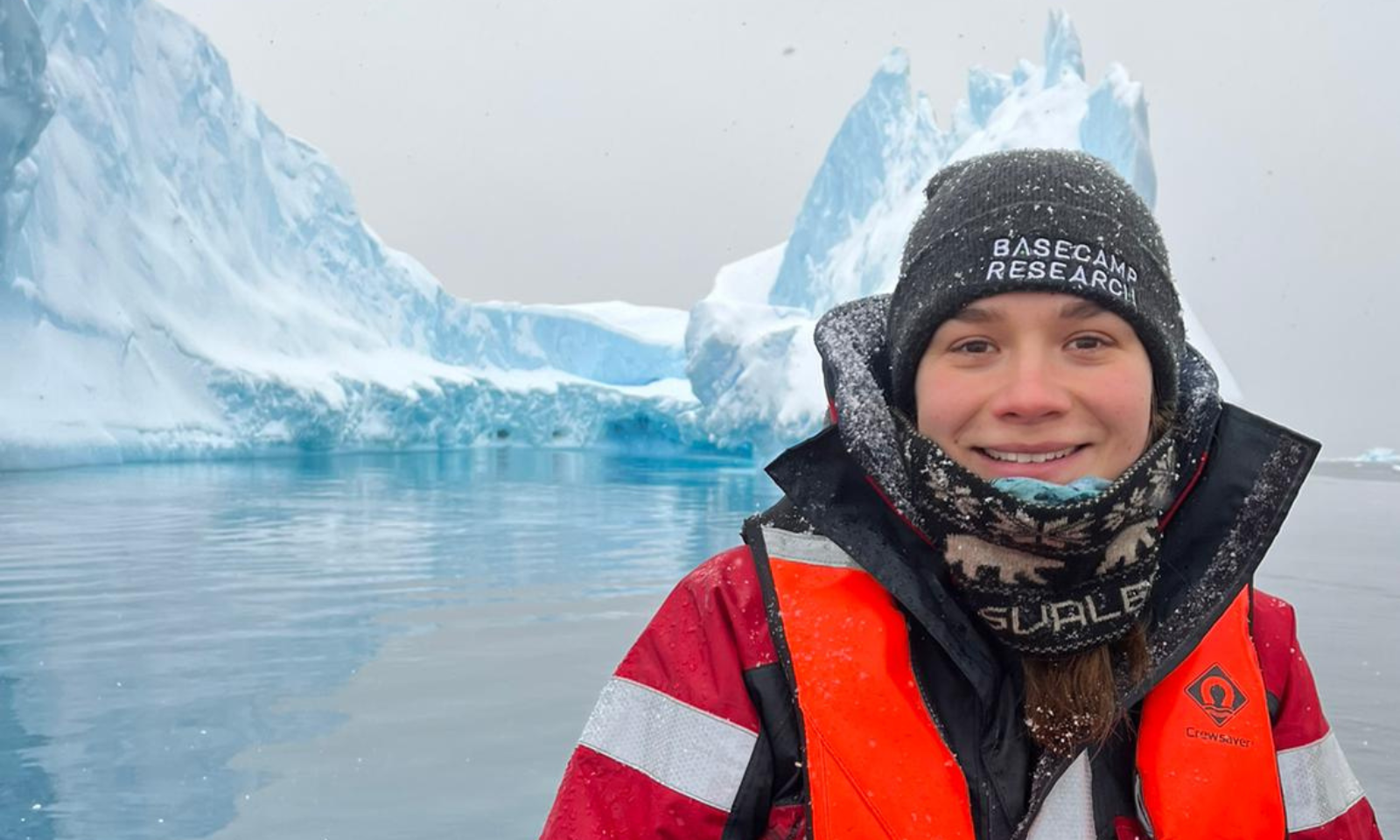
Aurelia Reichardt | Rothera Station Leader
While gaining organisational buy-in for these initiatives has been positive with lots of support, practical hurdles remain. Sourcing appropriate and niche products for the unique Antarctic environment has been a challenge, and ensuring consistent provision distribution across staggered deployments requires ongoing effort.
A key challenge highlighted by Nicole Logan-Park and Aurelia Reichardt is obtaining comprehensive feedback from staff. A survey specifically targeting women and non-binary individuals within the Antarctic Deployment Pool saw a 40% response rate. While this indicated the working group is "on the right track," with a reduction in reported issues, there's a drive to improve participation to capture more nuanced insights and address individual experiences.
Broader DEI: Attracting and Retaining Diverse Talent
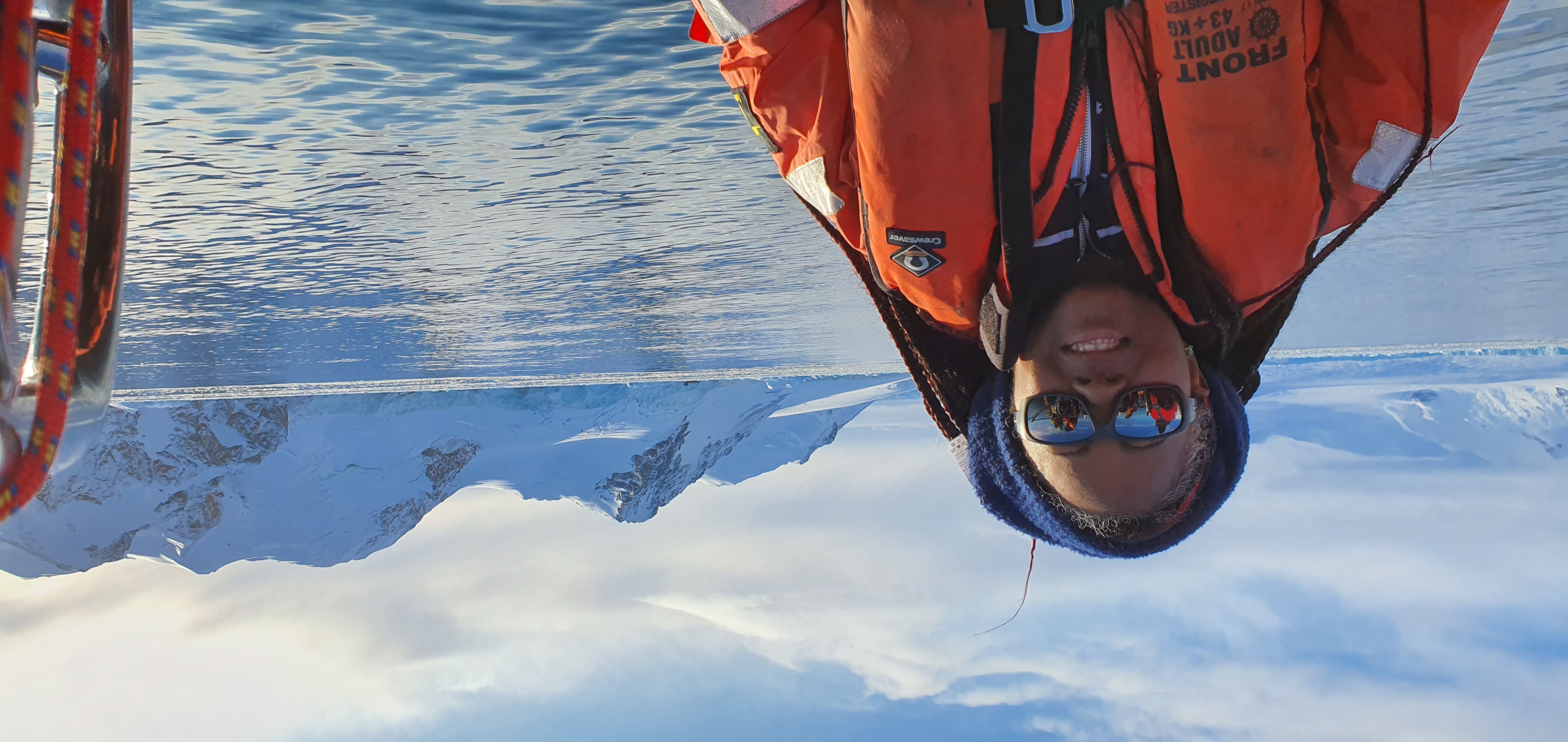
Nicole Logan-Park | GIS Asset Management Engineer
The polar hygiene work is part of a wider commitment to equity and inclusion at BAS. As Nicole Logan-Park eloquently states, "if something as basic as hygiene for women is not considered when you're actually sending women south, then why would you want to stay?” Addressing these fundamental needs is crucial for attraction, retention, and progression of women within BAS.
BAS is actively working to rewrite the historical narrative of Antarctic operations, moving beyond the image of "ice-crusted beards" to showcase the diversity of roles and people involved, scientists, engineers, technicians, and more. Challenges persist in retaining diverse talent. Nicole Logan-Park notes a 10% drop in retention over the last two years in operational roles, despite successful hiring.
A Vision for True Equity in the Poles
The long-term vision for equity and inclusion at BAS is a continuous journey with "incredible momentum." As Aurelia Reichardt explains, the evolving nature of polar research, incorporating new technologies like "unmanned drones and AI," necessitates a massively diverse pool of talent. "We need every perspective we can get to answer the big questions and to solve the way, we best work in this space."
Alice Irvine captures the essence of this vision: "breaking down the barriers that cause exclusion to ensure a positive experience and equal opportunities for everyone involved in Antarctic work." This commitment, from practical hygiene support to a culture of openness and a focus on diverse talent, ensures that BAS is not only at the forefront of scientific discovery but also a genuinely inclusive and supportive employer in one of the world's most challenging environments.
Interested in contributing to cutting-edge science in a supportive and inclusive environment? Explore career opportunities at British Antarctic Survey and be part of a diverse team making a global impact.

VERCIDA works with over one hundred clients who are committed to creating an inclusive work environment. If you are an employer and interested in working with VERCIDA to promote your culture and inclusion initiatives and attract the best candidates, please email [email protected] for more information.
 Help us find the best workplace for you by sharing more about yourself.
We will never disclose your information with others.
Help us find the best workplace for you by sharing more about yourself.
We will never disclose your information with others.
Learn more about this employer
British Antarctic Survey
Inclusive features
- No matching inclusive features