

A Space to Talk: BAS's New Dads' Network and the Support Behind It
Category: Dependency (Parenting & Carers)

Created by VERCIDA for British Antarctic Survey
The vast, icy expanse of Antarctica is one of the most demanding places on Earth to do a job, let alone hold a family together from thousands of miles away. At the British Antarctic Survey (BAS), a new grassroots network is quietly making sure that the fathers who keep polar science running both home and away have somewhere to turn, and someone to talk to.
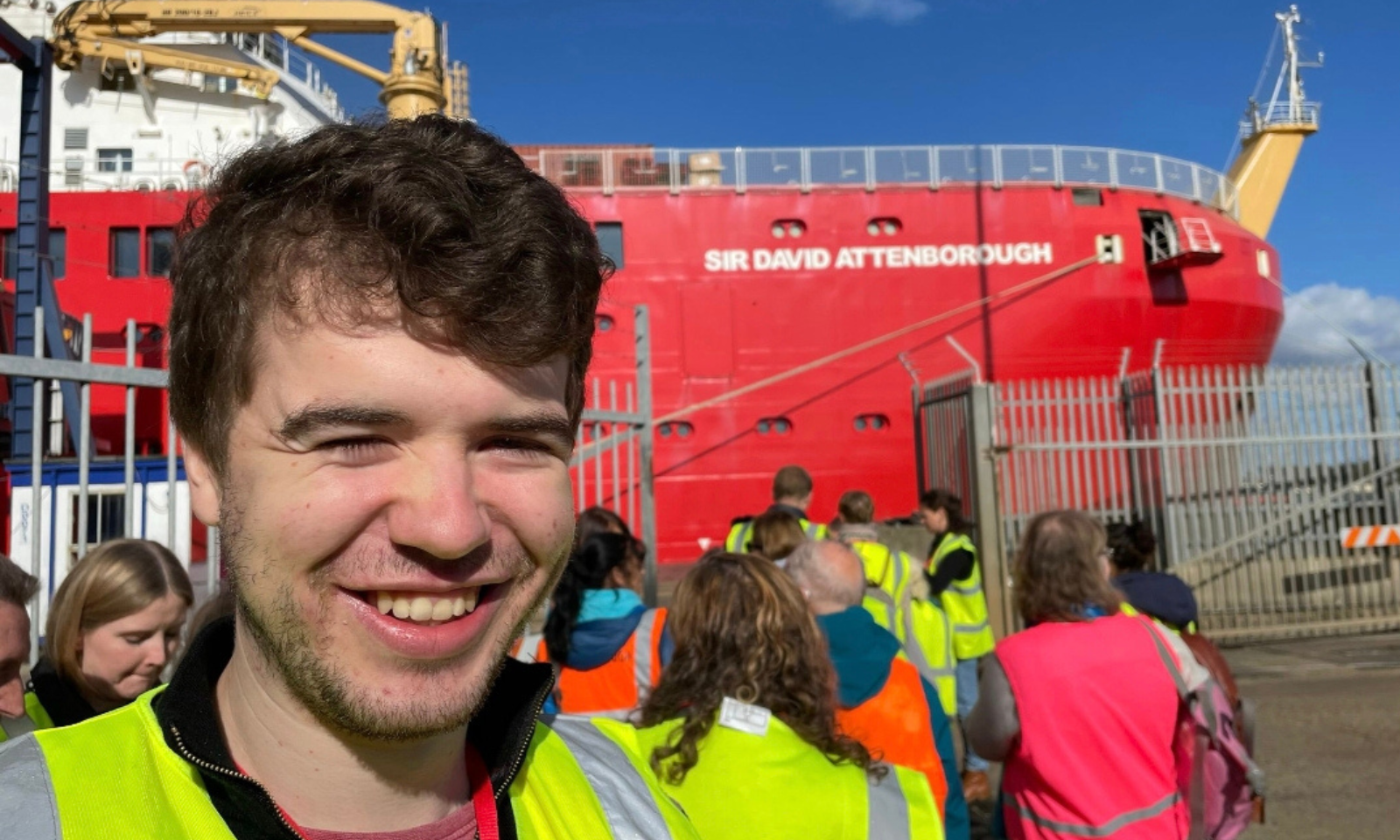
When James Earl joined BAS in 2022, he had no idea that becoming a father two years later would change how he saw his employer. He became a dad at the end of 2024, and like most first-time parents, he was apprehensive about what it would mean for his working life. "I was obviously quite nervous about the whole thing, and I didn't really know how it was going to affect my working pattern," he says.
What he found surprised him. Within two or three months of his daughter Poppy arriving, he was able to work from home far more and take time at short notice for scans and midwife appointments, "with no fuss". The support from HR, he says, was "really good. They do go above and beyond to help you." That is part of the reason James, now Interim Recruitment Manager at BAS, put his hand up when the chance came to start something new.
Building Something New
BAS already had a parents' network, with a mums' group that began in 2025. At the start of this year, an email went round inviting more people to get involved and floating the idea of a dedicated group for dads. James read it and thought, why not. "I'd quite like to be part of a network, not only of parents but also of dads," he says. He had organised groups before and was comfortable taking on the coordinating side, so he volunteered. As it turned out, he was the only one who did, and so he became its lead.
The gap it fills is real. Dads often have friends to speak with outside of their job, but talking things through with colleagues who understand the work is different. "It's common ground," James says. "It's important for people who work together to talk about it too." After the very first session, the feedback was simply that people were grateful something like it existed. Before this year there had been a parents' network, but no dad-specific events or meet-ups, and James suspects some fathers had quietly got on with their jobs rather than reach out.
An Hour That Finds Its Own Shape
There have been two meetups so far, both deliberately informal. James resists the idea of a rigid agenda. "If you just let people chat and say who they are and what they're here for, the conversation is going to flow, if you've got the right people there." It is a drop-in, so people arrive a few minutes apart, and the first stretch is simply introductions: who you are, what you do at BAS, and a little about your kids. The topics then form themselves around whoever is in the room.
At the first session, one attendee, in his late twenties, was expecting his first baby in a few months. He had come for advice, and that prompted around half an hour of everyone sharing their own experiences of the newborn weeks. "The conversation was built around helping him," James recalls. The man messaged afterwards to say how grateful he was, and how helpful he had found it.
The second session drew a different group and a different mood. Where the first had been about the excitement ahead, the second leaned into the reality: the challenges fathers had faced with their partners, or with their children at various ages. Both worked, James says, precisely because the conversation grew out of who was there rather than a script.
The Distance Factor
What sets BAS apart is obvious the moment you look at the work. The organisation employs around 700 people, with roughly 115 deployed to Antarctica at any one time, alongside teams who work on board ship. Deployments can run from a few months to as long as eighteen. For a father, that is a lot to weigh.
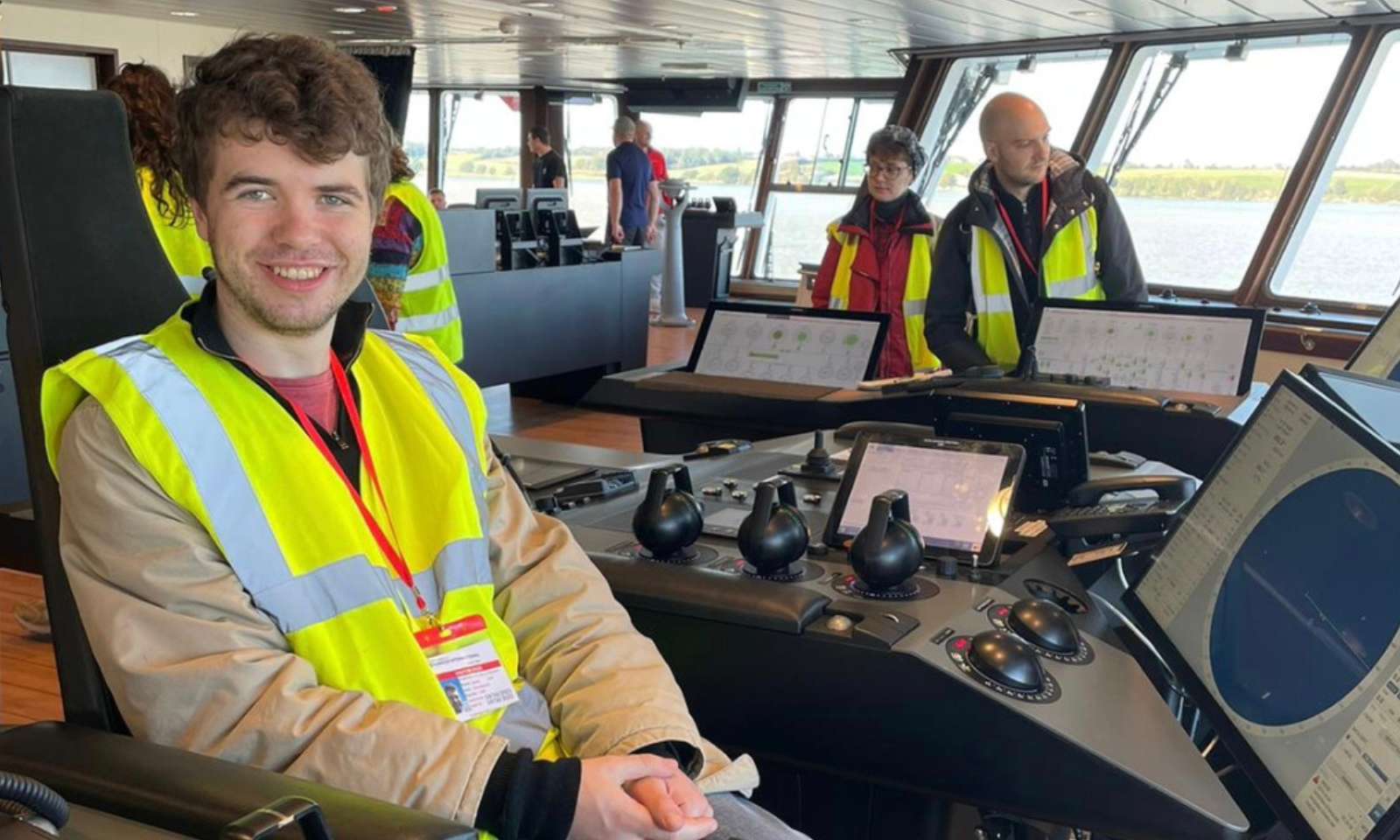
When colleagues with children who are being deployed come to James during recruitment, one question comes up more than any other: what is the connectivity like? "That is the main thing for them," he says. The answer has improved a great deal. Starlink now provides a strong connection on station and on the ships, so video calls home are possible in a way they simply were not a few years ago. James saw it for himself on a short voyage from Harwich to Plymouth, calling his partner and daughter from the ship. It runs both ways, too: families can send parcels and letters to those on deployment, keeping the line home open.
Crucially, the network is for every dad at BAS, whether they are in the Cambridge office or deployed thousands of miles south. Those in the UK can come to the in-person meet-ups, and anyone away or on the ship can join the same sessions online. It is early days, and uptake from those on deployment is still to come, but the door is deliberately open to both. One chief officer, who works on the BAS research ship two months on and two months off, has already said he would like to join online.
More Than a Network
The group does not stand alone. It sits on a wider set of support that, for a prospective dad, is arguably the more concrete part of the picture:
- Help with the complicated bits: one colleague told a recent session how much HR had helped him navigate shared parental leave.
- Preparation for time away: People who are being deployed go through in-depth pre-deployment training designed to ready them for life on station, with support at every stage from application through to deployment.
- Everyday wellbeing: staff have access to an Employee Assistance Programme and a set of family-friendly policies that are spelled out at the offer stage.
What He'd Tell a Prospective Dad
Ask James what he would say to a father weighing up a role at BAS, and the answer comes without hesitation. "The support that BAS offers is just fantastic," he says. He is the first to acknowledge that BAS is not an ordinary employer, and that anyone taking a job in Antarctica is bound to have worries about how it will affect their life. But the support runs the whole way through. "It's the people at BAS that are the best thing. Everyone's just approachable."
For James, that is the real measure of the place, more than any single policy. He has always felt comfortable asking for help when he needed it, and from what he hears across the organisation, other parents feel the same. The dads' network is new, and small, and still finding its shape. But it is one more sign of an employer where fathers are not expected to simply get on with it alone.

VERCIDA works with over one hundred clients who are committed to creating an inclusive work environment. If you are an employer and interested in working with VERCIDA to promote your culture and inclusion initiatives and attract the best candidates, please email [email protected] for more information.
 Help us find the best workplace for you by sharing more about yourself.
We will never disclose your information with others.
Help us find the best workplace for you by sharing more about yourself.
We will never disclose your information with others.
Learn more about this employer
British Antarctic Survey
Inclusive features
- No matching inclusive features