

Aneesa Ahmad on Black History Month, Representation and Inclusion in Environmental Careers
Category: Race, Ethnicity & Heritage, Social Responsibility (Charity/ Volunteering/Environmentalism)

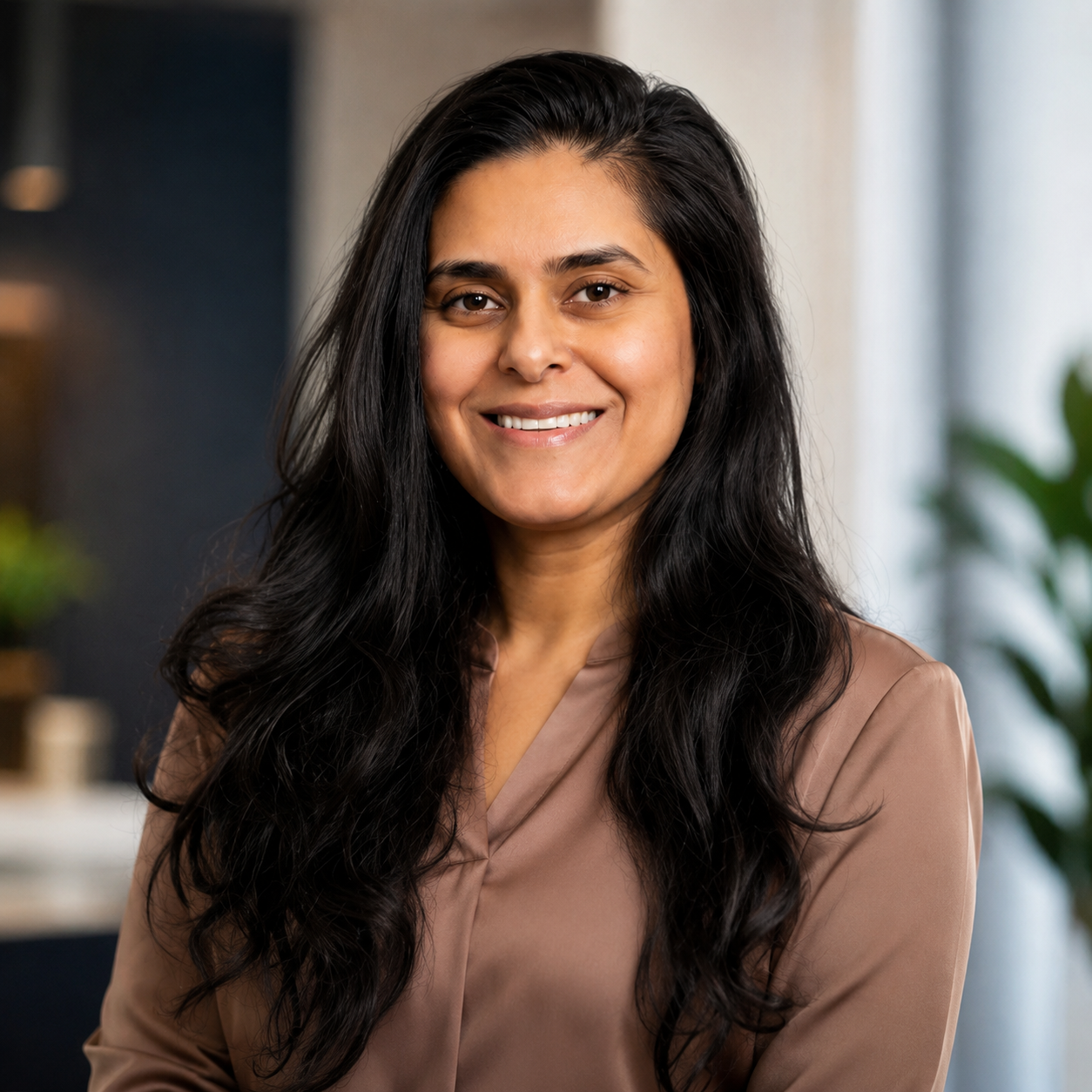
Aneesa Ahmad, a Chartered Environmentalist with more than 20 years’ experience in environmental and waste management, says Black History Month matters because it recognises Black achievements that have not always been visible. It also helps Black women and young professionals see themselves in technical, environmental and leadership careers. She describes working harder to establish credibility and having few senior role models who looked like her. In her view, people feel valued at work when they are listened to, respected and trusted with their expertise. She adds that leaders should recognise contributions consistently, give equitable access to opportunities and create psychological safety for people to speak, challenge and lead.
Can you tell us a little about your career to date?
I am an environmental and waste management professional with more than 20 years’ experience across consultancy, programme delivery, technical assurance and business development.
I am a Chartered Environmentalist and a member of the Chartered Institution of Waste Management. Professional development is important to me and I actively support the development of future professionals through mentoring and other activities.
What does a typical working day look like?
No two days are quite the same, which is one of the things I enjoy most about my role. A typical day may involve meeting technical specialists, clients or potential partners, shaping business opportunities, reviewing programme priorities, supporting colleagues, or bringing together different capabilities to solve complex environmental challenges. I also help to develop new areas of work, particularly around emerging contaminants, environmental protection and sustainable waste management.
Have you faced any challenges in your career to date?
Like many people from underrepresented backgrounds, I have sometimes had to work harder to establish my credibility, ensure my voice is heard and navigate workplaces where there were few visible senior role models who looked like me.
I have also become aware that people can experience the workplace differently depending on their background and personal circumstances. I personally feel that perceptions, expectations and access to opportunities can sometimes vary for underrepresented groups, even when this is subtle or unintentional.
There have been times when I have questioned whether I was ready to step forward for new opportunities, but I have learned that confidence often develops through taking on new challenges, drawing on supportive colleagues and mentors, and using my own experience to encourage women from ethnic minority backgrounds and early-career professionals to recognise their strengths and ambitions.
Why is Black History Month important to you?
Black History Month (BHM) provides an important opportunity to recognise the achievements, experiences and contributions of Black people, including individuals whose stories may not always have been visible or celebrated.
It also creates space to reflect on the experiences shared by Black communities, while recognising that those experiences are not identical and can be shaped by heritage, culture, identity and skin tone.
For me, BHM is also about helping Black women and young professionals see themselves represented in technical, environmental and leadership careers.
From your perspective, what are the key behaviours that help people feel valued and included at work?
People feel valued when they are listened to, treated with respect and trusted to contribute their expertise.
Leaders should be aware that colleagues may experience the same workplace differently, including Black and other ethnically diverse colleagues, whose ideas, confidence and potential may sometimes be influenced by assumptions that are not applied equally across the workforce.
Creating a fair and supportive culture means listening with curiosity, recognising contributions consistently, providing equitable access to opportunities and allowing people the autonomy and psychological safety to speak, challenge and lead.

VERCIDA works with over one hundred clients who are committed to creating an inclusive work environment. If you are an employer and interested in working with VERCIDA to promote your culture and inclusion initiatives and attract the best candidates, please email [email protected] for more information.
 Help us find the best workplace for you by sharing more about yourself.
We will never disclose your information with others.
Learn more about this employer
Amentum
Inclusive features
- No matching inclusive features